

Architectural Window Film and Green Building Certification: A LEED/IGBC Guide for Facility Managers
A practical guide for facility managers on using architectural window films to support LEED and IGBC certification, improving energy efficiency and comfort.
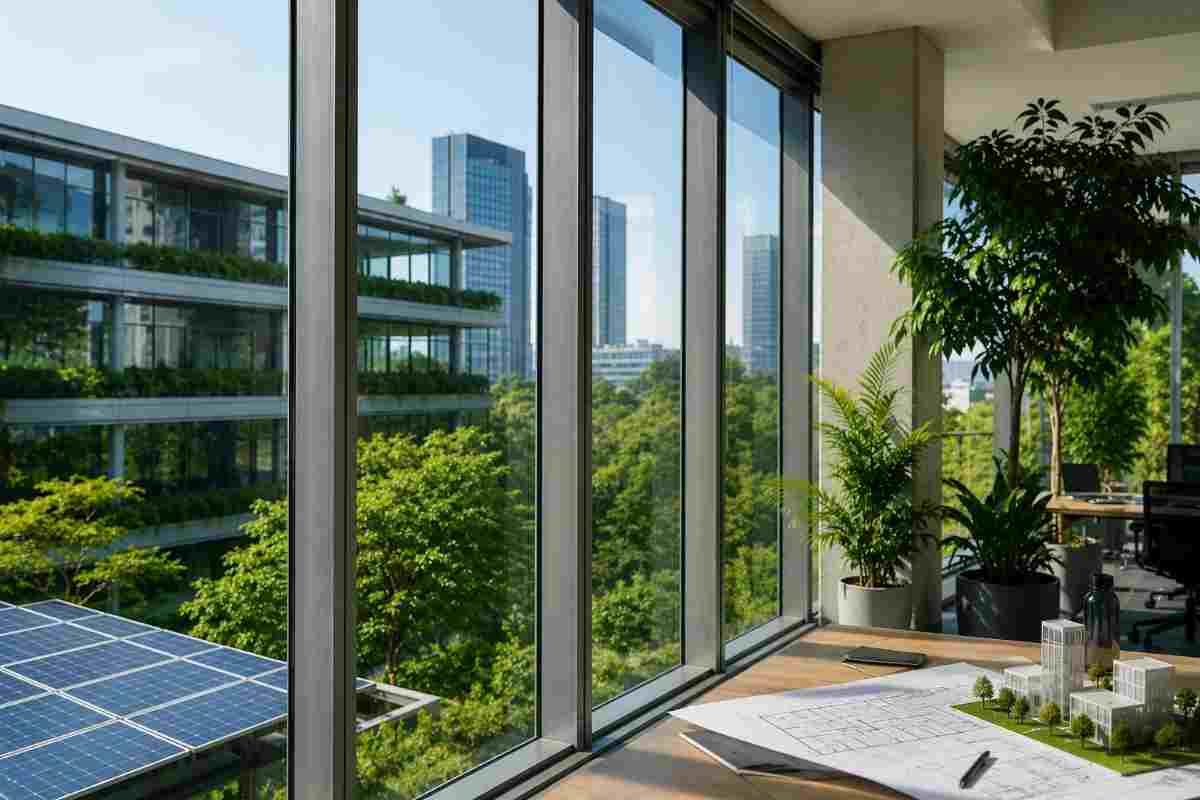
Windows in a commercial building affect more than the view outside. They influence indoor heat, glare, comfort and energy use. Architectural window film can be added to existing glass to help manage these issues, making it useful for facility managers working on building upgrades.
A suitable solar control window film can help control solar heat gain, glare and UV exposure without removing all the daylight. These benefits can support green building certification goals. However, window film is only one part of the overall building strategy, and certification depends on project requirements and supporting documentation.
What Window Film Performance Metrics Should Facility Managers Check?
For an energy efficiency film for a building, the numbers matter more than the shade or finish.
| Metric | What It Means | Why It Matters |
|---|---|---|
| SHGC | Solar heat entering through glass | Lower SHGC can reduce cooling load |
| VLT | Visible light passing through glass | Balances daylight and glare |
| U-Value | Heat transfer through glazing | Lower U-Value supports insulation |
| TSER | Total solar energy rejected | Indicates solar-control performance |
| UV Rejection | UV rays blocked by film | Helps protect interiors |
| Glare Reduction | Reduction in visible glare | Improves occupant comfort |
A low SHGC can be useful on windows receiving strong sunlight. A higher VLT may be better where daylight and views are important. The choice should also consider the building’s orientation, climate, existing glass and tenant concerns.
Which LEED and IGBC Credit Areas Can Window Film Support?
Window film can be part of a wider green building strategy. Its contribution depends on the product, building, rating system and credit requirements.
LEED Credit Areas
- Energy and Atmosphere: A lower SHGC can help improve energy performance and reduce cooling demand.
- Indoor Environmental Quality: Glare control and thermal comfort can make occupied spaces more comfortable.
- Daylight and Views: High-VLT films can retain daylight, while darker films may affect views and daylight levels.
- Materials and Resources: Product and life-cycle information may support relevant material strategies.
- Innovation: A documented film application may support an innovative sustainability approach where the rating system permits it.
LEED certifies the building, not an individual product. Therefore, window film used in a LEED project must be assessed within the project’s documentation and performance model.
IGBC Credit Areas
The relevant areas depend on the IGBC rating system being used. Window film may support:
- Energy Efficiency: Solar control can help reduce cooling demand.
- Indoor Environmental Quality: Glare and heat control can improve occupant comfort.
- Materials and Resources: Retrofitting existing glass can avoid complete glazing replacement.
- Operations: Facility teams can track energy and comfort changes after installation.
- Innovation: Film applications may support sustainability initiatives where the rating system allows them.
IGBC certification requires compliance with mandatory criteria, required credits, documentation and minimum thresholds.
How to Choose Window Film Based on Building Goals
The most sustainable window film depends on what the building needs to achieve. Here is a quick comparison of film types and the performance areas they address.
| Building Goal | Recommended Film Type | Key Metric | Certification Relevance |
|---|---|---|---|
| Reduce cooling load | Solar-control or reflective film | Low SHGC | Energy performance |
| Maintain daylight | Ceramic or spectrally selective film | Balanced VLT and SHGC | Daylight and comfort |
| Reduce glare | Dual-reflective or tinted film | Lower VLT | Occupant comfort |
| Improve insulation | Low-E film | Lower U-Value | Year-round performance |
| Protect interiors | UV-blocking film | UV rejection | Asset protection |
| Upgrade existing glass | Solar or safety film | Project-specific | Retrofit value |
The final choice should account for the building’s orientation, glass type, climate, and occupant needs. Reviewing product data before procurement can help avoid an unsuitable specification.
What Documentation Do Facility Managers Need for Green Building Certification?
For facility managers, documentation can be as important as the film itself. Facility teams should:
- Audit the existing glass type, condition and orientation.
- Record HVAC energy use and operating patterns.
- Check film compatibility with the existing glass and warranty.
- Obtain technical data for SHGC, VLT, U-Value, TSER and UV rejection.
- Obtain NFRC or equivalent independent performance data where available.
- Request relevant EPD and HPD documentation.
- Keep warranty details and installer certification.
- Retain invoices, product batch details and installation records.
- Keep energy-modelling inputs and reports where film performance is included.
- Compare energy, glare and comfort levels before and after installation.
For LEED projects, EPD and HPD documents may support applicable material strategies where relevant.
Can Window Film Guarantee LEED or IGBC Certification Points?
No. Window film for green buildings may support energy performance, occupant comfort and certification documentation, but it does not guarantee LEED or IGBC points.
Energy modelling, HVAC design, local code compliance, calculations, installation records and project review must also be considered. The film’s contribution depends on the selected rating system and the project’s overall performance.
Can Architectural Window Film Support Green Building Certification?
Architectural window film can support energy performance, solar control and occupant comfort. However, it does not guarantee LEED or IGBC points; its contribution depends on project calculations, installation and supporting documentation.
FAQs
- Can architectural window film help with LEED certification? It can. Depending on the project, window film may help with energy, daylight, or comfort-related requirements.
- Can window film support IGBC certification? Yes. It can be useful for areas such as energy efficiency and indoor environmental quality, subject to the rating system.
- Does window film directly earn green building points? Not on its own. Its benefits may contribute to a credit, but the project must meet the requirements for that credit.
- Which window film metrics matter for green buildings? Look at SHGC, VLT, U-Value, TSER, and UV rejection. These show how the film performs on heat, light, and solar control.
- How does window film reduce building energy use? It limits solar heat coming through the windows, which can help reduce the building’s cooling requirement.
- What documentation is needed for LEED or IGBC submission? The exact documents vary by project, though technical specifications, test data, installation records, and energy-related documents are commonly useful.
- Is window film better than replacing glass for green retrofits? It can make sense when the existing glass is suitable for film and replacing it would involve more cost, work, or downtime.
- How should facility managers choose window film for certification projects? First identify the building’s heat, glare, and daylight issues. Then compare film data with the project’s LEED or IGBC requirements.
Read also
 Global Hi-Tech FilmsWindow Films
Does Automotive Window Film Affect GPS, Mobile Signals or Keyless Entry?
Does automotive window film affect GPS, mobile signals or keyless entry? Learn how film construction can influence vehicle connectivity and signals. Explore now.
 Global Hi-Tech FilmsArchitecture
Can Window Film Be Applied to Double-Pane and Low-E Glass?
Can window film be used on double-pane and Low-E glass? Learn about compatibility, glass types, thermal stress and key installation factors. Explore now.
 Global Hi-Tech FilmsWindow Films
Why Does Automotive Window Film Bubble, Peel or Change Color?
Discover why automotive window film bubbles, peels or changes color, the common causes of film failure, and how quality installation helps prevent damage.