

Can Window Film Be Applied to Double-Pane and Low-E Glass?
Can window film be used on double-pane and Low-E glass? Learn about compatibility, glass types, thermal stress and key installation factors. Explore now.
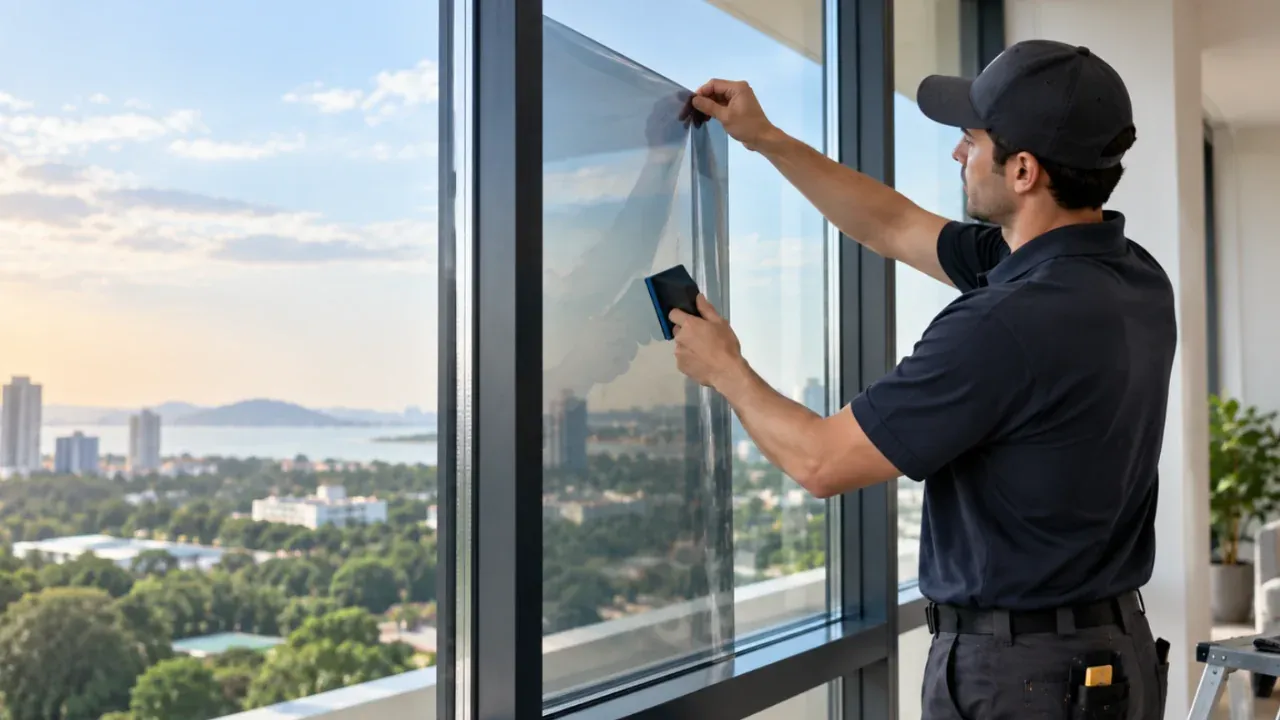
Window film on double-pane glass can often be installed safely, while window film on Low-E glass requires more careful evaluation. Double-pane and Low-E glazing systems are designed to control heat transfer, improve comfort and reduce energy use. Adding film can further help with heat control, glare reduction and UV protection, but the wrong product may affect how the glass absorbs and releases solar heat.
Glass construction, Low-E coating position, film absorption, window orientation, shading and climate all influence window film glass compatibility. For B2B buyers managing commercial buildings, selecting a film based only on appearance or visible performance is not enough.
Let us examine what makes these glazing systems different, how thermal stress occurs, and which checks should be completed before installation.
Can Window Film Be Applied to Double-Pane and Low-E Glass?
Yes, double-pane window film is compatible with many insulated glazing systems. However, the film needs to be matched to the glass rather than chosen as a one-size-fits-all option. Double-pane glass has two panes with a sealed space between them, while Low-E glass has a thin Low-E coating that helps control heat transfer. The position of that coating within the insulated glass unit (IGU) also matters when selecting a film.
A film installed on the interior surface can interact differently with a Low-E coating depending on where the coating sits. Films with high solar absorption can raise the temperature of the glass, potentially increasing thermal stress.
Existing chips, cracks, damaged seals and other glazing defects should also be identified before installation. Always check the manufacturer's compatibility guidelines to make sure the film is suitable for the glass.
Why Compatibility Matters
Window film changes how much solar energy the glazing reflects, transmits, and absorbs. This makes glass compatibility an important part of film selection, particularly for insulated systems.
A suitable window film for insulated glass should complement the existing glazing rather than simply add the highest possible level of heat rejection. Double-pane glass retains and distributes heat differently from single-pane glass, while Low-E glazing already controls radiant heat transfer.
The wrong film can affect performance and, in some cases, put the glass at greater risk of breakage or seal failure. A site assessment helps determine whether the film is suitable before installation.
What Is Thermal Stress in Double-Pane and Low-E Glass?
Thermal stress occurs in window films when different areas of a glass pane heat to different temperatures. For example, a section exposed to direct sunlight may become significantly warmer than an edge covered by a frame or a nearby shaded area.
A highly absorptive film can increase this temperature difference. Large panes, partially shaded windows, dark films, certain frame designs and strong solar exposure can require closer evaluation. Film absorption, orientation and local climate also influence the risk.
This does not mean film is unsuitable for double-pane or Low-E glazing. The concern is selecting a film whose thermal characteristics are appropriate for the specific glazing system.
Which Window Films Are Best for Double-Pane and Low-E Glass?
Film selection should focus on how effectively it manages solar energy without creating unnecessary heat absorption. Several options may be suitable depending on the glass specification.
- Lower-absorption films are generally preferred for heat-sensitive glazing because they limit the amount of solar energy retained by the glass.
- Spectrally selective films can provide strong solar control while allowing useful daylight into the building.
- Ceramic films can deliver heat and glare control without necessarily creating a very dark appearance.
- Approved exterior films may work better for some heat-sensitive glass systems where interior film is not recommended.
- Dark or highly absorptive films need a closer compatibility check before they are approved.
A Low-E window film or other architectural window film should match the existing glass and its specifications. Companies like Global Hi-Tech Films offer film solutions with clear performance data, helping commercial projects make a more informed choice than relying on DIY or unspecified products.
How to Check Window Film Compatibility Before Installation
Before choosing commercial window film, installers and facility teams need to know what type of glazing is already in place. These checks help confirm whether the film is a suitable match:
- Identify whether the glass is double-pane, Low-E, laminated, tempered or annealed.
- Confirm the Low-E coating location within the IGU.
- Check for existing tint, coatings or treatments.
- Review pane size, thickness and frame construction.
- Inspect seals for signs of deterioration or possible seal failure.
- Assess window orientation and exposure to direct sunlight.
- Identify partial shading from buildings, blinds or nearby structures.
- Review film SHGC, VLT and TSER values.
- Check the film's solar absorption characteristics.
- Compare the product with manufacturer glass compatibility charts.
- Confirm warranty coverage for the glass, seals and film.
These checks provide a stronger basis for selecting window film for energy efficiency while reducing avoidable installation risks. Professional installation is particularly important when a project involves extensive glazing, specialised coatings or large commercial elevations.
Choosing the Right Window Film for Double-Pane and Low-E Glass
Window film on double-pane glass and window film on Low-E glass can be effective solutions when the product is matched correctly to the glazing system. Compatibility depends on glass construction, coating location, film absorption, orientation, shading, climate and the condition of the existing unit.
The wrong film may increase thermal stress and create unnecessary risks, while the right product can improve solar control, comfort and energy performance. Manufacturer guidance, compatibility data and professional installation should therefore form part of the specification process.
For double-pane and Low-E glass, choose the film proven compatible with the glazing system, not simply the darkest or cheapest option.
Read also
 Global Hi-Tech FilmsWindow Films
Does Automotive Window Film Affect GPS, Mobile Signals or Keyless Entry?
Does automotive window film affect GPS, mobile signals or keyless entry? Learn how film construction can influence vehicle connectivity and signals. Explore now.
 Global Hi-Tech FilmsWindow Films
Why Does Automotive Window Film Bubble, Peel or Change Color?
Discover why automotive window film bubbles, peels or changes color, the common causes of film failure, and how quality installation helps prevent damage.
 Global Hi-Tech FilmsWindow Films
Can Window Film Be Applied to Panoramic Sunroofs?
Can window film be applied to panoramic sunroofs? Learn about glass compatibility, heat reduction, UV protection and key installation factors.