

Why Does Automotive Window Film Bubble, Peel or Change Color?
Discover why automotive window film bubbles, peels or changes color, the common causes of film failure, and how quality installation helps prevent damage.
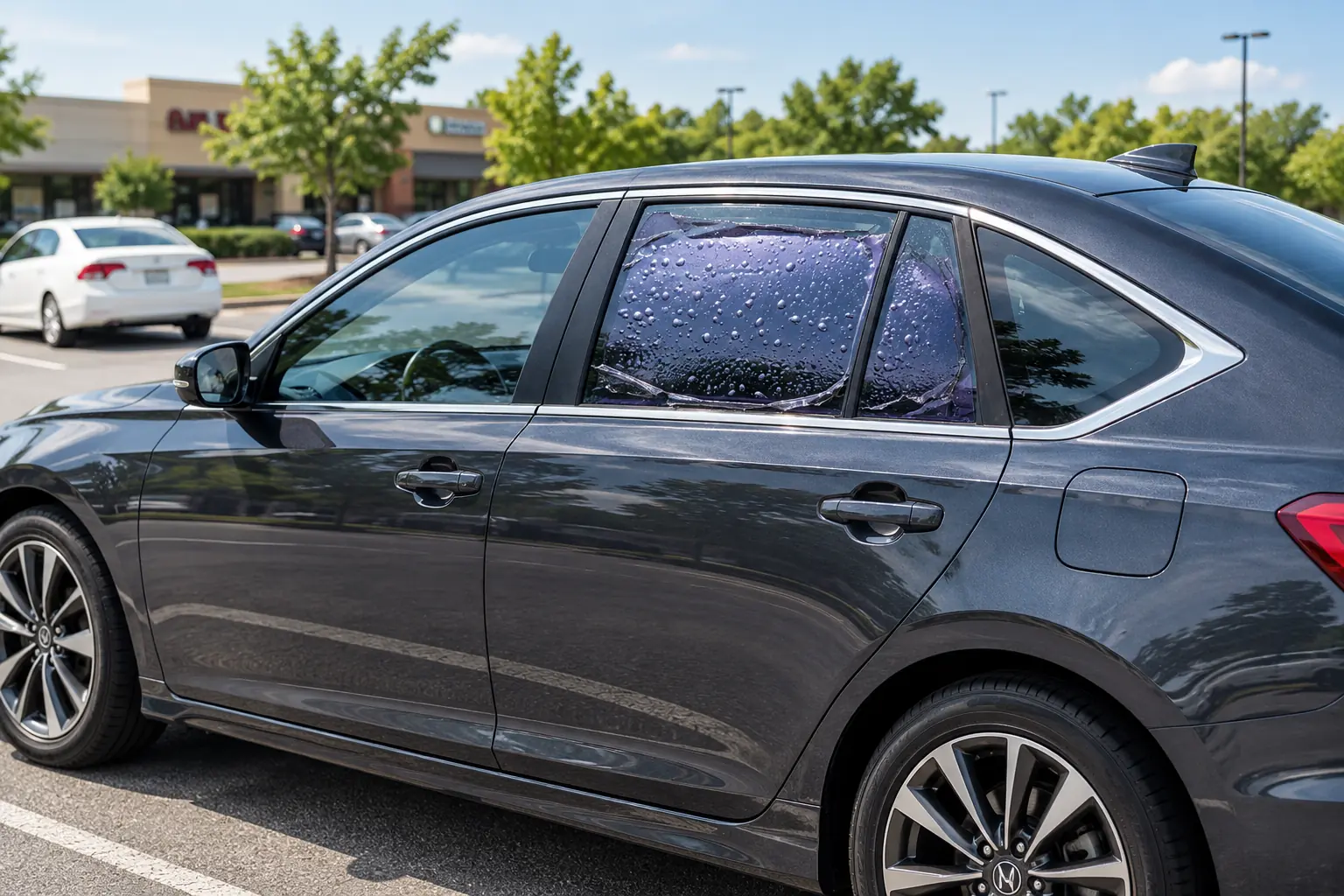
Bubbling, peeling, and color changes can make an otherwise well-maintained car look aged. So, why does automotive window film bubble, peel or change color? Poor installation, low-quality materials, adhesive failure, heat, UV exposure, and improper maintenance are common reasons. These problems can also indicate that the film is no longer bonding properly to the glass.
Minor changes can occur during the initial curing period, but quality film should not fail early. Knowing what causes these problems can help car owners spot them before they get worse.
Let us look at what causes them and how the right film, installation process, and aftercare can improve automotive window film durability.
Why Does Automotive Window Film Bubble?
Automotive window film bubbling usually occurs when air or moisture becomes trapped between the film and glass. Small bubbles may appear shortly after installation and can disappear as the film cures.
Persistent window film bubbles can point to other problems. Dust, lint, or residue on the glass can stop the film from bonding properly. Weak adhesive may lose its grip in high heat, while low-quality film may bubble more easily.
Large bubbles that remain after the film has cured may indicate window tint adhesive failure.
Why Does Window Film Peel?
Car window film peeling often starts at the edges, where the film gets more contact and movement. Poor trimming or edge finishing can make these areas easier to lift.
Dirt or oil under the film can affect its grip. Using the window too soon after installation may lift the edges, while rough cleaning can do the same. Older adhesive may also start to loosen.
These are common causes of window tint peeling, especially when installation or aftercare is neglected. Once peeling edges become noticeable, the affected area can continue spreading.
Why Does Window Film Change Color or Turn Purple?
Window tint color changes are often linked to film quality. Lower-grade dyed film can break down over time with continued UV and heat exposure.
This is one reason why window tint turns purple in older or low-quality installations. As the dye wears out, the film may take on purple, reddish, or uneven tones. This purple tint usually means the dye has started to break down.
Higher-quality films are typically designed for better color stability and resistance to environmental exposure. Significant color fading usually indicates ageing or material degradation.
How Installation Quality Affects Automotive Window Film Durability
Installation directly affects how well film performs over time. Even a high-quality product can develop problems when preparation and application are rushed.
A reliable installation should involve:
- Thoroughly cleaned glass without dust, oil, or residue
- Proper squeegee use to remove trapped moisture and air
- Accurate trimming around glass edges
- Correct handling during application
- Adequate curing time before normal window use
Poor installation can leave dust under the film or cause weak spots. DIY application can also cause problems when there is a lack of the right tools or experience.
Professional installation means the glass is cleaned well, the film is trimmed correctly, and it has enough time to cure. This lowers the chance of early adhesive failure.
How Film Quality and Adhesive Affect Window Film Durability
Film quality has a direct effect on how the film holds up against sunlight, heat, fading, and daily use. The adhesive also matters, as it keeps the film attached to the glass.
Low-cost films may use dyes and adhesives that wear out faster. Films with better UV stability and heat-resistant adhesive tend to keep their appearance and bond for longer.
Warranty-backed products from brands like Global Hi-Tech Films can also provide greater confidence, particularly when the film is installed according to the manufacturer's requirements. Choosing a reputable car window tint product is therefore about more than shade or appearance.
Can Bubbling, Peeling or Fading Window Film Be Fixed?
Not every film problem needs replacement. Small bubbles may disappear as trapped moisture evaporates during curing. Knowing the causes of window tint bubbling can help determine whether they are temporary.
Large or persistent bubbles may require film replacement. Peeling edges can also keep lifting and spread over time.
Severe color fading or a purple appearance cannot usually be reversed. Failed film should be professionally removed rather than scraped or pulled from the glass.
How to Prevent Automotive Window Film Failure
Proper car window tint maintenance starts with the film and the installation. Choose a quality product, use a trained installer, and stick to the care instructions.
For better tint maintenance:
- Let the film finish its recommended curing period.
- Do not roll the windows down too soon.
- Use ammonia-free cleaners.
- Use soft, non-abrasive cloths.
- Do not scrub the edges.
- Follow the installer's care instructions.
- Keep the warranty details handy.
Simple care can keep the film in good shape for longer.
Keeping Your Automotive Window Film in Good Condition
Bubbling, peeling, and color changes do not happen without a reason. Poor installation and low-quality materials are common causes. Heat, UV exposure, adhesive quality, and harsh cleaning can also affect the film over time.
Quality film and professional installation give the film a better start. After that, the way it is cleaned and handled matters too. Good quality, proper installation, and regular care can help automotive window film last longer.
Read also
 Global Hi-Tech FilmsWindow Films
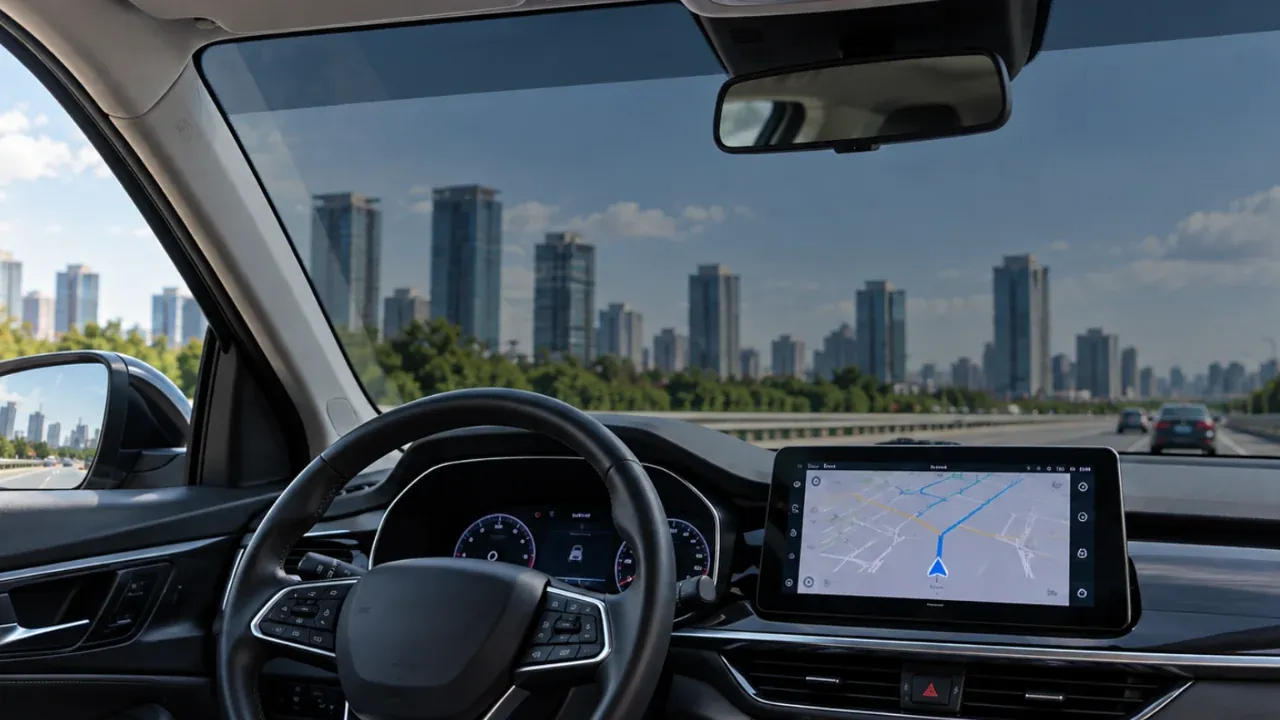
Does Automotive Window Film Affect GPS, Mobile Signals or Keyless Entry?
Does automotive window film affect GPS, mobile signals or keyless entry? Learn how film construction can influence vehicle connectivity and signals. Explore now.
 Global Hi-Tech FilmsArchitecture
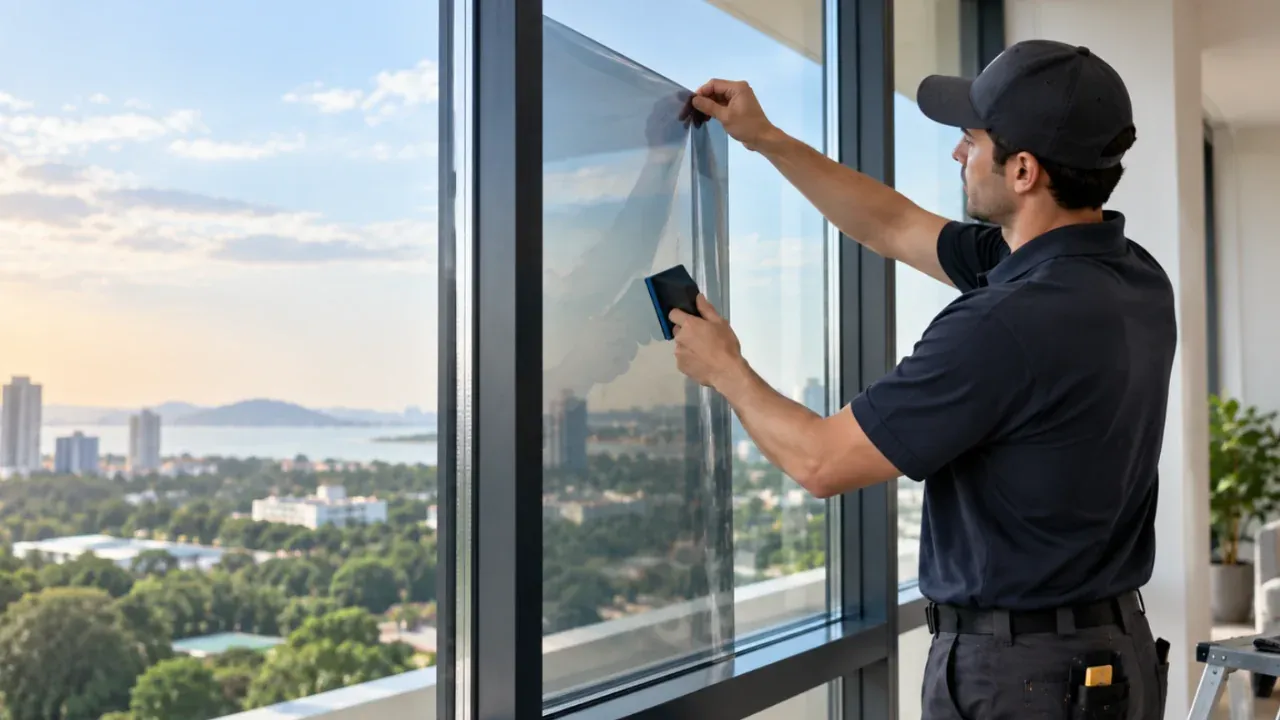
Can Window Film Be Applied to Double-Pane and Low-E Glass?
Can window film be used on double-pane and Low-E glass? Learn about compatibility, glass types, thermal stress and key installation factors. Explore now.
 Global Hi-Tech FilmsWindow Films
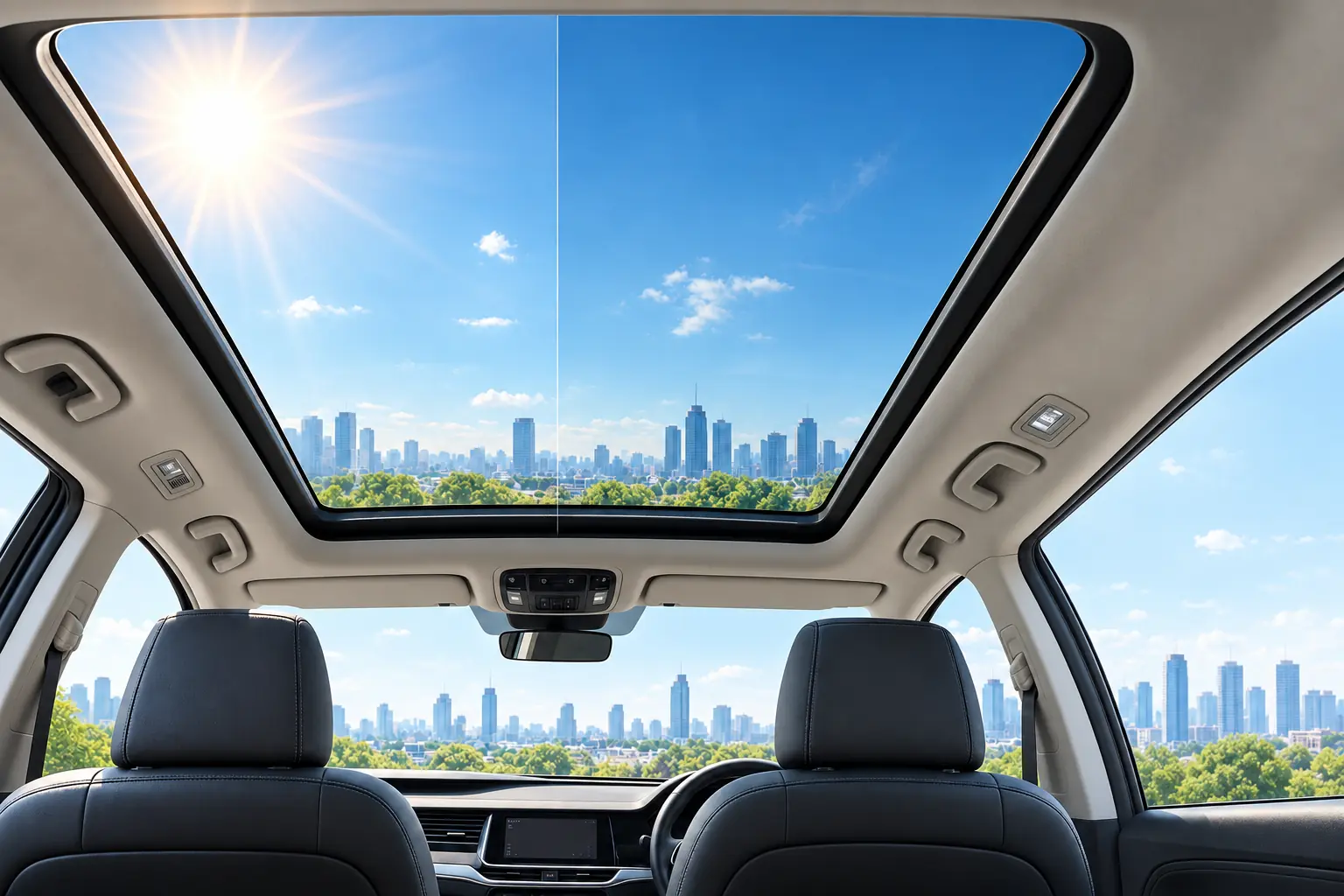
Can Window Film Be Applied to Panoramic Sunroofs?
Can window film be applied to panoramic sunroofs? Learn about glass compatibility, heat reduction, UV protection and key installation factors.