

Does Automotive Window Film Affect GPS, Mobile Signals or Keyless Entry?
Does automotive window film affect GPS, mobile signals or keyless entry? Learn how film construction can influence vehicle connectivity and signals. Explore now.
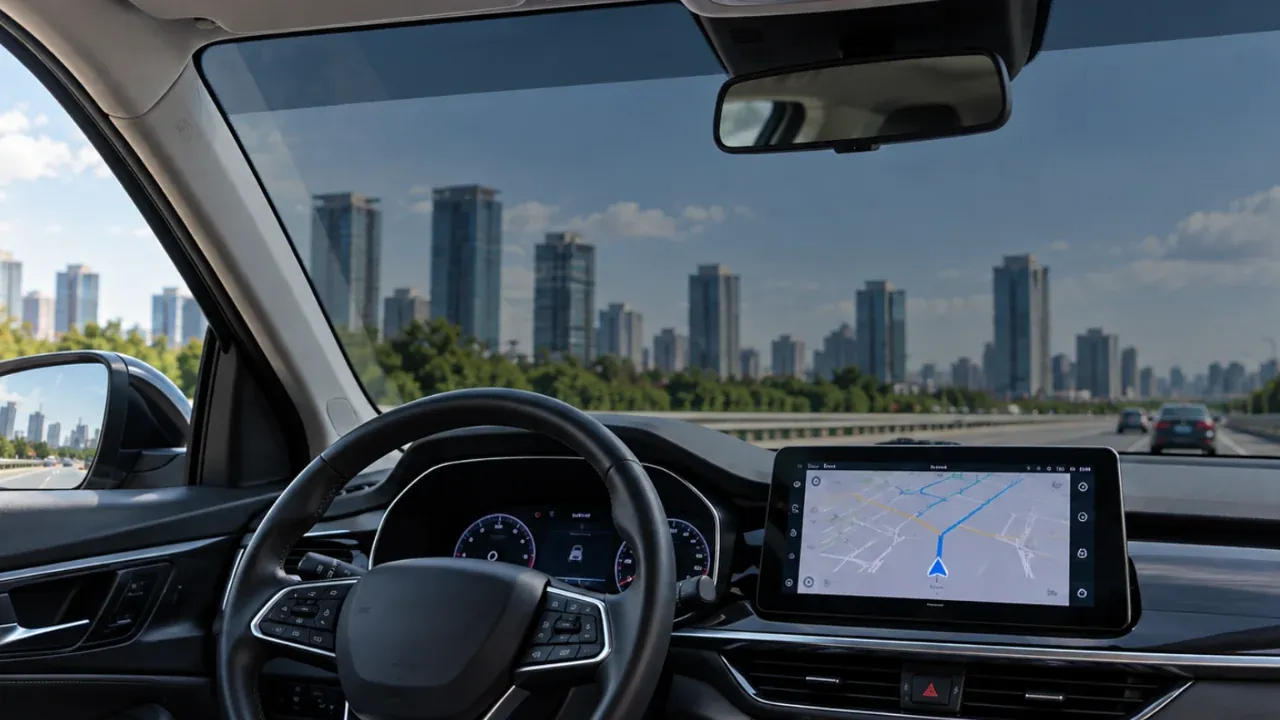
Automotive window film can affect GPS, mobile signals, and keyless entry, depending on what the film is made of. Window tint signal interference is more of a concern in vehicles where antennas are built into the glass. It is worth checking how window tint may affect GPS, mobile signals, or keyless entry before choosing a film. Metalized window tint can interfere with signals, while ceramic, carbon, and dyed films are generally more signal-friendly.
Let us look at how different car window tint materials interact with the signals and systems used by modern vehicles.
Can Automotive Window Film Affect GPS, Mobile Signals or Keyless Entry?
Yes, some films can affect wireless signals. The concern is less about tint darkness and more about the film material. This is why does window tint affect GPS, mobile signals, or keyless entry are common questions when choosing a film.
Metalized films contain metallic particles that can weaken or reflect radio frequency signals. This may affect GPS signal, mobile signal, Bluetooth, or key fob communication, especially in vehicles with an embedded glass antenna.
Ceramic, carbon, and dyed films are generally non-metallic, so they are less likely to disrupt signals. Check the film material and vehicle compatibility before installation.
Why Metalized Window Film Can Cause Signal Interference
Metalized films use metallic particles to help reflect solar energy and manage heat. The same metallic content that contributes to their performance can also interact with radio frequencies passing through the glass.
This can create signal problems due to car window tint, particularly when antennas are positioned in or around the windows. Depending on the vehicle and film, drivers may notice:
- Slower GPS acquisition or less reliable positioning
- Weaker mobile reception or slower data
- Reduced key fob or remote starter range
- Inconsistent toll tag or RFID scanning
- Reduced satellite radio reception
The effect can vary by vehicle and film. Antenna placement, glass type, film material, and installation can all make a difference.
Are Ceramic, Carbon and Dyed Films Signal-Friendly?
Ceramic film uses ceramic particles rather than metal to control solar heat. This makes it a popular choice when strong heat rejection is needed without creating significant signal interference. Drivers asking, 'Does ceramic tint affect GPS or phone signal?' will generally find that quality ceramic products are designed to remain compatible with wireless communication.
Carbon films are also usually non-metallic film options with low signal impact. Dyed film typically has little effect on wireless signals as well, although its heat-rejection performance can be lower than that of advanced ceramic products.
For vehicles equipped with GPS, Bluetooth, mobile connectivity, keyless entry, and app-based functions, a signal-friendly ceramic window film design can provide a practical balance between solar control and connectivity.
Which Vehicle Systems Can Window Film Affect?
The effect depends on the vehicle and where its antennas are placed. The main systems to check are:
- GPS navigation: A metalized film may delay location locking or affect reception.
- Mobile signals: Cellular reception can weaken in some conditions.
- Bluetooth: Window tint and Bluetooth signal performance may be affected if metallic material obstructs the relevant frequency.
- Keyless entry: Reduced signal range can make the key fob less responsive.
- Remote starter: Wireless range may decrease in certain installations.
- Toll tags / RFID: A toll tag placed behind treated glass may scan inconsistently.
- Satellite radio: Reception can be affected when antennas rely on window areas.
- Vehicle sensors: Film selection should account for automotive window film and vehicle sensors, especially where antennas or electronic components are integrated into the glass.
Metalized vs Ceramic Window Film: Signal Impact Compared
The following comparison shows why film construction matters when connectivity is a priority.
| Film Type | Signal Impact | Best For | Watch-Out |
|---|---|---|---|
| Metalized film | Higher risk | Heat rejection and reflective appearance | May affect GPS, mobile, keyless entry, toll tags, and antennas |
| Ceramic film | Low risk | Heat rejection with signal clarity | Usually costs more |
| Carbon film | Low risk | Signal-friendly heat control | Performance varies by product |
| Dyed film | Low risk | Basic privacy and appearance | Lower heat rejection and durability |
A darker film is not automatically more likely to cause interference. The material used in the film is the more important consideration.
How to Choose Signal-Friendly Automotive Window Film
Check the film material before buying. For better signal performance, ceramic or carbon films are usually a safer choice than metallic tint.
Also check whether the vehicle uses glass-embedded antennas and ask the installer about compatibility with GPS, mobile reception, Bluetooth, RFID, keyless entry, and other wireless systems. Reviewing the product data before installation can help avoid unexpected signal interference.
A trained installer should also understand the vehicle's electronic layout rather than selecting a film based only on shade, appearance, or price.
Common Window Film Signal Interference Mistakes to Avoid
Several assumptions can lead to avoidable car window tint signal problems:
- Assuming every tint affects wireless signals
- Selecting metalized film without checking vehicle compatibility
- Ignoring glass-embedded antennas
- Failing to ask about film composition
- Equating heat rejection with signal safety
- Choosing film only by darkness or price
- Skipping professional installer guidance
Choosing Window Film Without Compromising Connectivity
Automotive window film does not always interfere with wireless systems. Metallic films are more likely to cause signal issues, while ceramic and carbon films are usually more signal-friendly window film options. The film material matters more than darkness.
If GPS, mobile reception, keyless entry, or toll tags matter, choose a non-metallic automotive window film designed for signal-friendly performance.
Read also
 Global Hi-Tech FilmsArchitecture
Can Window Film Be Applied to Double-Pane and Low-E Glass?
Can window film be used on double-pane and Low-E glass? Learn about compatibility, glass types, thermal stress and key installation factors. Explore now.
 Global Hi-Tech FilmsWindow Films
Why Does Automotive Window Film Bubble, Peel or Change Color?
Discover why automotive window film bubbles, peels or changes color, the common causes of film failure, and how quality installation helps prevent damage.
 Global Hi-Tech FilmsWindow Films
Can Window Film Be Applied to Panoramic Sunroofs?
Can window film be applied to panoramic sunroofs? Learn about glass compatibility, heat reduction, UV protection and key installation factors.