

Benefits of Automotive Window Film: Heat Reduction, UV Protection & Privacy Explained
Explore the benefits of automotive window film including heat reduction, UV protection and enhanced privacy for a safer, more comfortable drive.
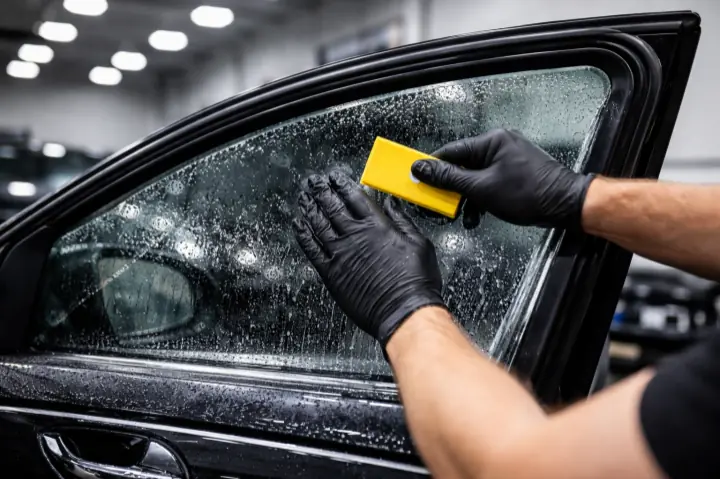
Summer driving can often turn uncomfortable, especially if your car’s interior feels like an oven after just a few minutes in the sun. Rising temperatures inside vehicles aren’t just an inconvenience - they impact driving comfort, safety, and even your car’s interior condition over time. In such cases, there are several benefits of automotive window film application.
These films offer practical and high-performance solutions rather than just aesthetics. They enhance driving comfort, improve safety, and protect the vehicle’s interior from long-term damage. Unlike factory-tinted glass, which mainly provides basic shading, aftermarket window films are engineered with advanced materials to deliver superior heat rejection and UV blocking capabilities. Automotive window films keep the car cooler, protect passengers from harmful UV rays, reduce glare, and enhance privacy, making every drive safer, more comfortable, and preserving your car’s interior for years to come.
In this blog, let’s explore more about automotive window tint advantages, the different types available in the market, and help you make an informed decision so you can choose the right automotive window film for your car.
How Automotive Window Film Reduces Heat Inside Your Car
The primary cause of heat buildup inside vehicles is infrared or IR radiation, which makes up a significant portion of solar energy. Standard glass allows for most of these IR rays to pass through, rapidly increasing cabin temperature. High-quality automotive window films, such as the ones manufactured by Global Hi-Tech Films, especially carbon and ceramic variants, are designed to block a large percentage of these IR rays. By preventing heat from entering the cabin, they can reduce interior temperatures significantly.
- Ceramic films are a UV protection car film that uses nano-ceramic particles to reflect and absorb heat without affecting visibility.
- Carbon films also provide strong heat rejection through carbon-based layers that absorb solar energy.
As a result:
- Cabin temperatures drop by 10 to 20℉ (5 - 11℃) under direct sunlight.
- Reduced heat means less reliance on air conditioning.
- Lower A/C usage contributes to better fuel efficiency and reduced engine load.
This makes window films especially valuable during peak summer months.
UV Protection Benefits of Window Film
Automotive window films also act as protective barriers against harmful UV radiation. and block up to 99% of UV rays. These UV protection car films also have the following advantages:
Passenger Protection
- Reduces risk of sunburn and skin damage during long drives.
- Minimizes premature aging caused by prolonged sun exposure.
- Offers long-term protection against cumulative UV exposure risks.
Interior Protection
UV rays are also a major reason behind interior degradation. An interior protection car film can help stop:
- Leather seats from cracking and fading.
- Fabric upholstery from getting discolored.
- Dashboard and trims from warping or deteriorating.
- Infotainment screens suffer through prolonged UV exposure.
By limiting UV penetration, window films help preserve the original look and integrity of your car’s interior, directly contributing to a higher resale value.
Privacy & Security Benefits of Car Window Tint
A privacy car tint significantly enhances both safety and privacy, especially in urban environments or high-traffic areas.
Privacy Benefits
- Tinted windows reduce visibility into the cabin.
- Keeps valuables out of sight.
- Enhances passenger comfort and discretion.
Security Benefits
- The film acts as a deterrent against theft, stopping potential intruders from seeing inside.
- In case of impact or accidents, the film helps hold shattered glass together, reducing the risk of injury from flying shards.
Aftermarket car tints offer the following advantages compared to factory privacy glass:
- Better control over tint levels.
- Superior UV and heat rejection.
- Improved clarity and performance.
Glare Reduction for Safer Driving
Excessive sunlight or headlight glare can impair visibility and increase driver fatigue significantly. Glare reduction window films help by:
- Reducing harsh sunlight glare during early morning and sunsets.
- Minimizing headlight glare during night driving.
- Enhancing overall visual comfort and focus.
Additional automotive window tint advantages include:
- Reduced eye strain and fatigue, especially during long drives.
- Improved visibility of dashboard displays, infotainment screens, and GPS systems.
- Safer driving conditions across different lighting environments.
Types of Automotive Window Films: Ceramic vs Carbon vs Dyed
Choosing the right window film type depends on your priorities, whether it’s about performance, budget, or longevity.
Ceramic Window Film: Best for Heat Rejection & UV Protection
There are several ceramic window film benefits, such as:
- Highest heat and UV rejection.
- Non-metallic (no interference with GPS, mobile signals, or radio)
- Excellent clarity and durability.
- Long lifespan (10 to 20+ years)
- Ideal for hot climates and high-performance needs.
Carbon Window Film: Balanced Performance & Durability
Here are some carbon window film advantages:
- Strong heat rejection.
- Fade-resistant and durable.
- Matte finishes with good aesthetics.
- More affordable than ceramic.
- Slightly lower UV rejection compared to ceramic films.
Dyed Window Film: Budget-Friendly Option for Basic Protection
Dyed films offer the following benefits:
- Basic privacy and glare reduction.
- Moderate heat rejection.
- Most affordable option.
- Can fade or discolor over time.
- A shorter lifespan (5 to 10 years)
Aftermarket vs Factory Window Tint: Which is Better?
- Factory tint: Limited heat or UV rejection; it is mainly cosmetic.
- Aftermarket car tints: Engineered for performance, customizable, and significantly more effective.
Professional installation is critical to ensure:
- Bubble-free finish.
- Proper adhesion.
- Long-term durability.
Window Film Maintenance & Lifespan: How Long Does It Last?
Maintaining the window film properly ensures that it will perform optimally for a long time. Here are some ways in which you can prolong the life of your window film for safety:
Cleaning Tips
- Use a soft microfiber cloth.
- Clean with ammonia-free solutions.
- Avoid abrasive pads or sharp objects.
Lifespan
- Ceramic films: 10 to 20+ years.
- Carbon films: 5 to 12 years.
- Dyed films: 3 to 5 years.
Why Professional Window Film Installation is Important
Consulting with a professional tinter to install an automotive window film will help in the following ways:
- Prevents peeling, bubbling, or edge lifting.
- Ensures precise cutting and alignment.
- Maximizes film lifespan and effectiveness.
Final Thoughts: Why Automotive Window Film is a Smart Upgrade
There are many benefits of automotive window films. This high-value upgrade delivers multiple advantages in a single solution. From cooler cabin temperatures and reduced A/C usage to UV protection, enhanced privacy, glare reduction, and interior preservation, it improves both comfort and safety.
While its relevance is especially pronounced during summer, the automotive window tint advantages extend year-round, protecting both passengers and the vehicle. For optimal performance and durability, always opt for professional installation.
Protect your car, enjoy a cooler ride, and preserve your interior with Global Hi-Tech Films. Explore options, and book a professional installation today!
FAQs on benefits on Automotive Window Film
- How much heat can automotive window film block during the summer? High-quality films, especially ceramic variants, block up to 70 to 80% of solar heat, and reduce cabin temperature by 10 - 20℉ in direct sunlight.
- Does window film really reduce UV exposure for passengers? Yes. Most premium window films block up to 99% of harmful UV rays, offering protection similar to sunscreen for both drivers and passengers.
- Can window film improve fuel efficiency by reducing A/C usage? Yes. By lowering cabin heat, the air conditioning system requires less effort, which can lead to improved fuel efficiency, especially during long drives.
- How does window film improve privacy and security? Automotive window films limit visibility into the vehicle, deterring theft, and help hold shattered glass together in case of accidents, reducing injury risk.
- What types of automotive window films are best for heat and UV protection? Ceramic films are the best options for maximum heat and UV rejection, followed by carbon films for a balance of performance and affordability.
- How long does professionally installed window film last? It depends on the type of window film - professionally installed films can last anywhere from 5 to 15+ years with proper care.
- Will window film affect visibility at night or during rain? High-quality films are designed to maintain clear visibility, but excessively dark tints may slightly reduce night visibility. Choosing the right shade is important.
- Can I install window film myself, or should I hire a professional? While DIY kits are available, professional installation ensures a better finish, durability, and performance, making it the best option.
Read also
 Global Hi-Tech FilmsWindow Films
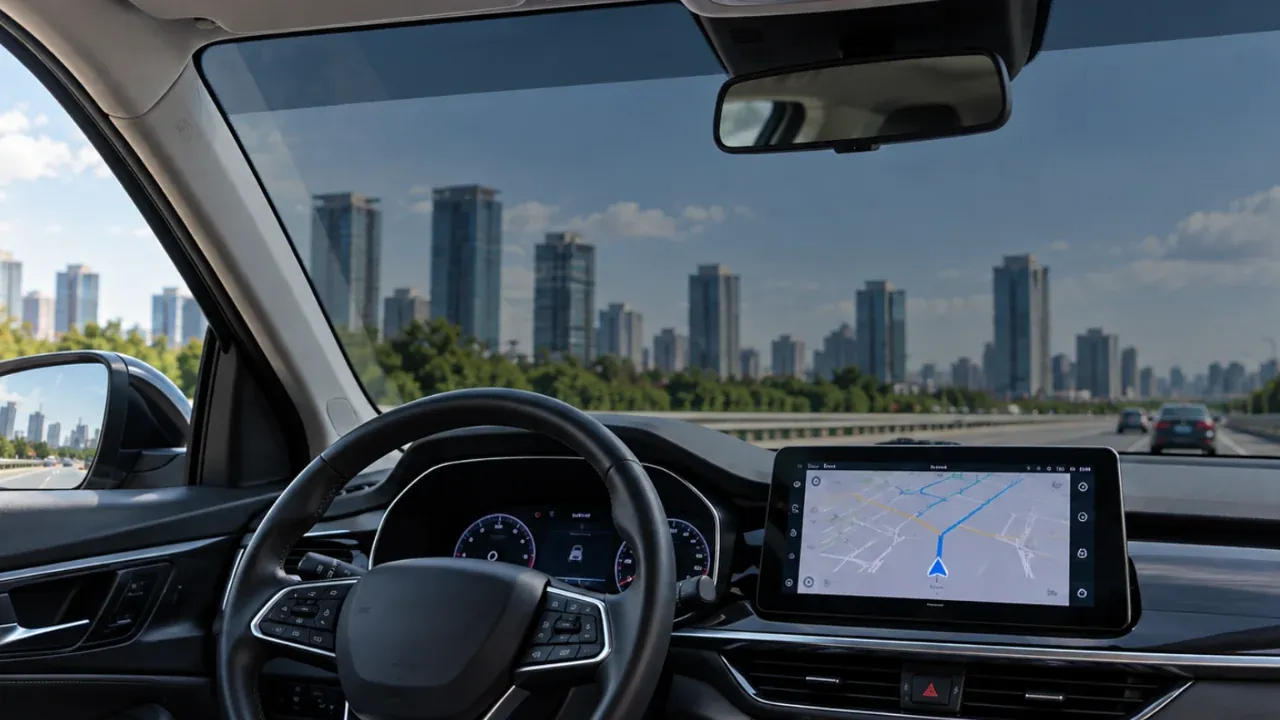
Does Automotive Window Film Affect GPS, Mobile Signals or Keyless Entry?
Does automotive window film affect GPS, mobile signals or keyless entry? Learn how film construction can influence vehicle connectivity and signals. Explore now.
 Global Hi-Tech FilmsArchitecture
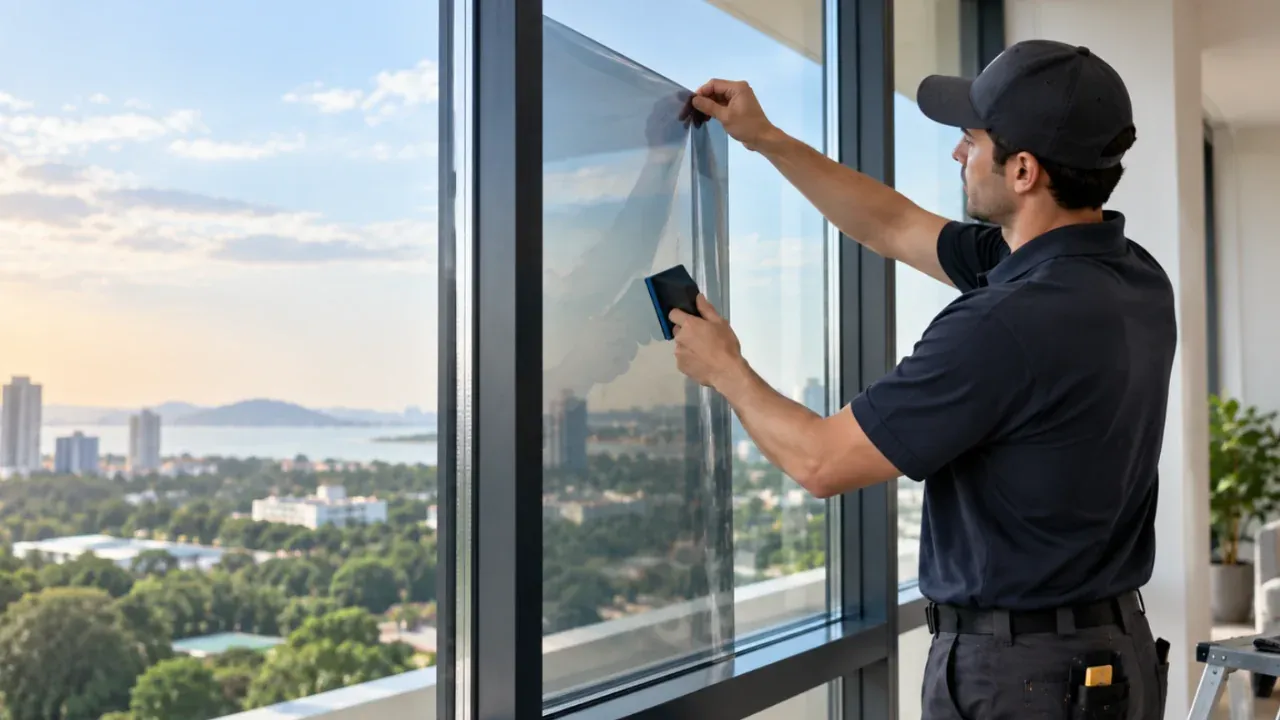
Can Window Film Be Applied to Double-Pane and Low-E Glass?
Can window film be used on double-pane and Low-E glass? Learn about compatibility, glass types, thermal stress and key installation factors. Explore now.
 Global Hi-Tech FilmsWindow Films
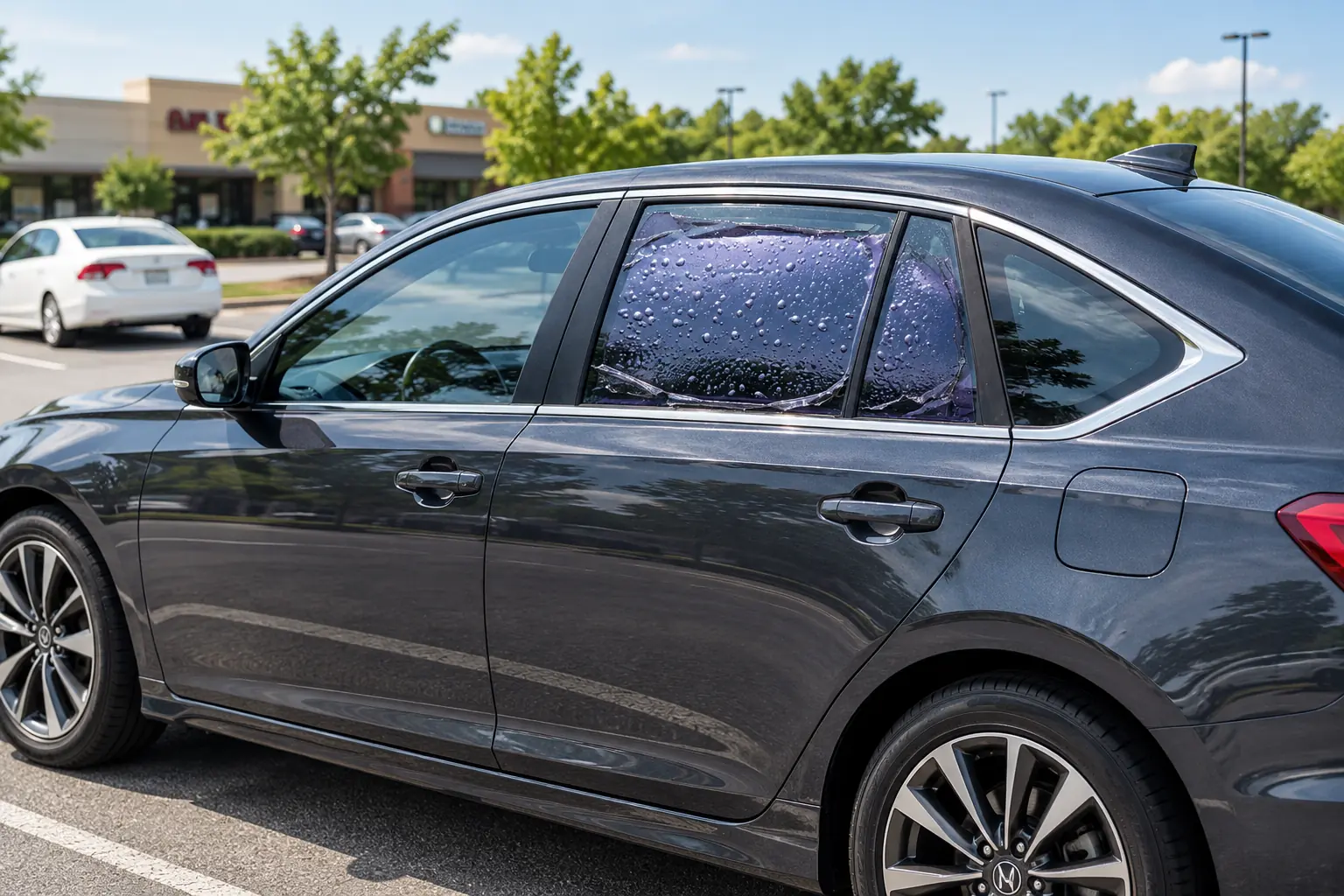
Why Does Automotive Window Film Bubble, Peel or Change Color?
Discover why automotive window film bubbles, peels or changes color, the common causes of film failure, and how quality installation helps prevent damage.