

Can Bird Droppings Permanently Damage Car Paint? Causes, Prevention & How to Remove Them Safely
Can bird droppings permanently damage car paint? Learn the causes, prevention tips, and safe removal methods to protect your car’s finish and shine.
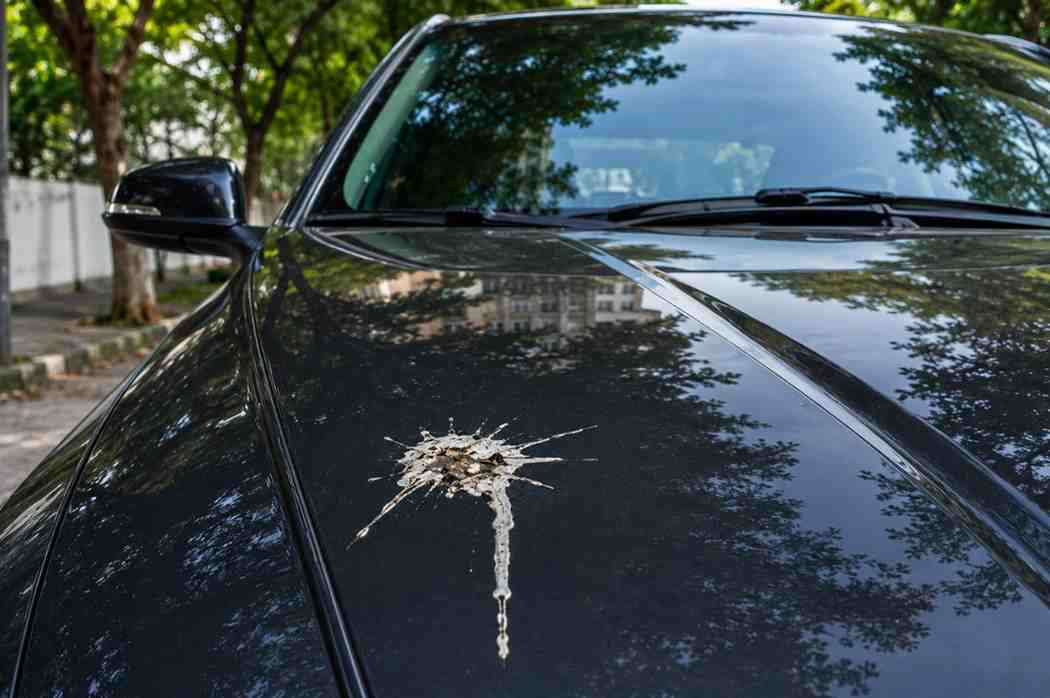
Finding bird droppings on your car is more than just an inconvenience; it can lead to permanent paint damage if not removed quickly. Bird droppings contain highly acidic uric acid that can etch your vehicle's clear coat, especially when exposed to heat and sunlight. Left untreated, they may cause dull spots, paint etching, and expensive paint correction or repainting. In this guide, you'll learn why bird droppings damage car paint, how long they take to cause damage, the safest way to remove them, and how Paint Protection Film (PPF) helps protect your vehicle from long-term acid damage.
Quick Answer: Can Bird Droppings Permanently Damage Car Paint?
Yes. Bird droppings can permanently damage car paint if left untreated. Their acidic uric acid can begin etching the clear coat within 30 to 60 minutes in hot weather. Prompt removal and paint protection are the best ways to prevent permanent damage.
Can Bird Droppings Eat Through Car Paint?
Yes. Bird droppings do not literally dissolve paint overnight, but the acidic uric acid gradually eats into the clear coat. Once the clear coat is breached, the underlying paint becomes exposed and permanent etching can occur. According to automotive detailing professionals, bird droppings can begin affecting a vehicle's clear coat within 30 to 60 minutes on hot sunny days when surface temperatures exceed 40 degrees Celsius. Modern automotive clear coats are only around 40 to 60 microns thick, making them surprisingly vulnerable to acidic contaminants.
Why Do Bird Droppings Damage Car Paint?
To understand the threat, you must look at the biological and chemical composition of the waste. Unlike mammals, birds have a single opening called a cloaca, which serves as a multi-purpose exit for all waste. This means they excrete a concentrated mixture of feces and urine simultaneously.
The dark solid matter is digested food, while the white, chalky paste is uric acid. This uric acid is the real villain, boasting a highly corrosive pH level between 3.0 and 4.5. When this acidic waste lands on your vehicle, it begins a chemical reaction with the protective clear coat.
The danger is significantly amplified by UV exposure and the heat factor. On a warm day, your car's paint expands in the heat while the bird dropping dries out and contracts. This creates tension between the two surfaces, often leading to what detailers call paint etching. Furthermore, bird droppings often contain small seeds, grit, or sand. If you attempt to wipe the area without proper lubrication, these abrasive particles act like sandpaper, causing severe scratches and paint contamination.
Does Heat Make Bird Droppings Damage Car Paint Faster?
Yes. Heat accelerates the chemical reaction between uric acid and the vehicle's clear coat. During summer or when parked in direct sunlight, bird droppings dry faster and become more concentrated, increasing the likelihood of permanent etching. The combination of high temperatures and UV radiation causes the acidic waste to bake onto the surface, making it harder to remove and more aggressive in penetrating the protective layers. This is why prompt removal is especially critical during hot weather conditions.
How Long Does Bird Poop Take to Damage Car Paint?
Time is the most critical factor when dealing with this type of environmental contaminant. The longer the waste remains on the surface, the deeper the acid penetrates the layers of your paint. To help you understand the urgency of this issue, review the timeline table below detailing how long bird poop takes to damage car paint under typical conditions.
| Timeframe | Level of Damage | What is Happening to the Paint |
|---|---|---|
| Under 10 Minutes | Minimal Risk | The acid is sitting on the surface. Quick removal prevents any lasting harm. |
| 30 to 60 Minutes | Moderate Risk | UV exposure heats the acid, beginning the process of bird droppings clear coat damage. |
| 2 to 4 Hours | High Risk | The acid starts to penetrate the clear coat, causing initial paint etching and dull spots. |
| 24 to 48 Hours | Severe Risk | Deep acid etching occurs. The bird poop is etched into car paint, often requiring professional paint correction or repainting. |
Bird Droppings vs Tree Sap vs Bug Splatter: Which Is Most Harmful to Car Paint?
Not all environmental contaminants are equally destructive. To help you prioritize which threats require immediate attention, review the comparison table below showing which contaminants damage automotive finish the fastest.
| Contaminant | Damage Speed | Severity | Why |
|---|---|---|---|
| Bird Droppings | Very Fast | Five Stars | Highly acidic uric acid combined with heat acceleration |
| Tree Sap | Moderate | Four Stars | Sticky and acidic but slower to penetrate |
| Bug Splatter | Moderate | Three Stars | Acidic but usually washed away during regular cleaning |
| Hard Water Spots | Slow | Two Stars | Mineral deposits that etch slowly over time |
How to Tell If Bird Droppings Have Damaged Your Car Paint
Identifying the damage early can save you from expensive repairs. If you suspect your vehicle has been compromised, look for these specific indicators of bird droppings damage.
- White Dull Rings: A distinct outline or ring remains even after the waste has been washed away, indicating bird poop etched into a clear coat.
- Rough Texture: Running your fingernail lightly over the spot reveals a textured, pitted surface where the acid has eaten into the clear coat.
- Paint Discoloration: In severe cases, the acid penetrates the clear coat and reaches the base color layer, causing permanent discoloration.
- Loss of Gloss: The affected area loses its shine and appears hazy or cloudy compared to the surrounding paint.
- Clear Coat Peeling: The protective layer begins to lift or flake around the affected area, exposing the base paint underneath.
- Permanent Etched Marks: Visible indentations that remain even after thorough cleaning and polishing attempts.
3 Levels of Bird Droppings Damage on Car Paint
Not all bird poop stains on cars result in the same level of destruction. The severity depends on how long the waste remained on the surface and the intensity of the sun. To help you diagnose the extent of the harm, review the detailed breakdown below explaining the three levels of bird droppings damage.
Level 1: Surface Stains on Car Paint
The droppings leave a faint, dull, or chalky outline on the surface. At this stage, the clear coat is fully intact, and the blemish is merely a superficial deposit. This level of bird poop paint damage can usually be fixed with a light hand polish or a thorough wash with a clay bar treatment to lift the remaining contaminants.
Level 2: Clear Coat Etching from Bird Droppings
The acid has begun eating into the top clear layer, creating microscopic valleys and fractures. You will notice a distinct ring or a textured spot that feels rough to the touch. This level of bird droppings clear coat damage often requires machine buffing, compounding, or light wet sanding by a professional detailer to level the surface and restore the gloss finish.
Level 3: Permanent Paint Damage & Base Coat Exposure
The corrosive compounds have burned completely through the clear coat and penetrated the colored base paint. At this stage, the clear coat will begin to peel and lift around the affected area. This is permanent bird poop etched into car paint. The only remedy is to have the panel professionally sanded and repainted, as no amount of polishing can restore the missing layers.
Can a Car Wash Remove Bird Poop Stains or Paint Damage?
Many car owners wonder if a standard car wash can fix bird droppings damage. The answer depends on the severity of the contamination.
Fresh Droppings: Yes. A proper hand wash with pH neutral shampoo can safely remove fresh bird droppings without leaving marks, provided you use the correct technique and lubrication.
Surface Staining: Yes. A clay bar treatment during a detailing service can lift superficial contaminants and restore the smooth finish.
Etching or Clear Coat Damage: No. Standard car washes cannot repair etched paint. Once the acid has penetrated the clear coat, professional paint correction, polishing, or repainting is required to restore the finish.
How to Remove Bird Droppings from Your Car Without Damaging the Paint
Knowing how to remove dried bird poop from a car without causing further harm is a crucial skill for any car owner. Professional detailers recommend a gentle, lubricated approach to avoid scratching the surface. The golden rule of removal is to never wipe or scrub dry droppings.
Expert Tip: Never remove dried bird droppings using tissues or paper towels. They trap grit and create swirl marks. Always soften the droppings first with water or a detailing spray.
- Cool the Panel: If the car has been in the sun, move it to the shade or wait for a cooler part of the day. Working on hot paint can cause cleaning solutions to evaporate too quickly and leave streaks.
- Saturate: Flood the area with a dedicated car detailer spray, waterless wash, or place a soaking wet microfiber towel over the spot.
- Dwell: Allow the wet solution or a specialized bug remover to sit for two to three minutes to completely dissolve and soften the hardened material.
- Lift: Gently pinch and lift the debris off the paint using a clean microfiber cloth rather than dragging it side to side. Birds frequently swallow gravel and seeds to aid their digestion, turning dried feces into highly abrasive sandpaper that will deeply scratch your paint if dragged across the surface.
- Neutralize: Wash the remaining residue with pH neutral car shampoo to ensure all acid is removed.
- Re-flow the Paint (If Etched): If you notice slight etching after cleaning, pour hot water over the affected area. The heat imitates the effects of rising temperatures, causing the clear coat to expand and re-flow, which can often make minor etching marks disappear.
Common Mistakes to Avoid When Removing Bird Droppings from Your Car
Even with good intentions, many drivers make critical errors that worsen the situation. Avoid these common mistakes to prevent turning a minor annoyance into major bird poop paint damage.
- Scraping with fingernails or cards: This guarantees scratches and can chip the clear coat instantly.
- Using dry towels: Wiping a dried splatter with a dry cloth creates immediate micro scratches and swirl marks.
- Using harsh household cleaners: Bleach or abrasive kitchen cleaners are highly alkaline and will strip your protective wax or ceramic layer, leaving the paint vulnerable.
- Ignoring the problem: Assuming rain will wash it away safely is a dangerous gamble. Rainwater may dilute the droppings, but it rarely removes them completely and can spread the acid over a larger area.
Does Bird Poop Damage Ceramic Coating, Wax, or Paint Protection Film (PPF)?
Many owners invest in protective layers, but it is important to understand their limitations against acidic waste. To help you evaluate how well different protective measures hold up, review the comprehensive comparison table below detailing if bird poop damages ceramic coating, wax, or paint protection film.
| Protection Type | Resistance to Bird Droppings | Lifespan of Protection | Outcome if Left Untreated |
|---|---|---|---|
| Traditional Car Wax | Low to Moderate | 1-3 months | Acid penetrates wax quickly, etching the clear coat beneath. |
| Paint Sealant | Moderate | 4-6 months | Provides a temporary buffer, but prolonged exposure still causes etching. |
| Ceramic Coating | High | 2-5 years | Hydrophobic coating repels waste initially, but extreme heat can still cause mild etching on the coating itself over time. |
| Paint Protection Film (PPF) | Maximum | 7-10 years | Unlike waxes or ceramic coatings, Paint Protection Film (PPF) creates a physical barrier that shields factory paint from acidic bird droppings. Premium self-healing TPU films resist staining, minimize acid damage, and help preserve your vehicle's original finish. Products like Global Hi-Tech Films also feature advanced top coats that heal minor surface marks caused during cleanup. |
While ceramic coatings and waxes make cleanup easier, they are not invincible. Paint protection film remains the only true physical barrier that prevents the acid from reaching the actual paint.
How to Prevent Bird Droppings from Damaging Your Car Paint
Proactive measures are the most effective way to avoid this issue entirely. Implementing these strategies will significantly reduce the risk of bird droppings damage.
- Choose Parking Spots Wisely: Avoid parking under power lines, trees, or light poles where birds naturally perch and roost.
- Use a Car Cover: If you must park outside for extended periods, a breathable, high quality car cover provides a physical shield against falling debris.
- Maintain Protective Layers: Keep your vehicle protected with a fresh layer of wax, a professional ceramic coating, or a high quality paint protection film.
- Carry an Emergency Kit: Keep a small bottle of waterless wash spray and a clean microfiber towel in your trunk. This allows you to address fresh splatters immediately, even when you are away from home.
Conclusion: Protect Your Car Paint from Bird Droppings
Bird droppings may look harmless, but they can permanently damage your car paint if left untreated. The acidic uric acid, combined with heat and UV exposure, can quickly etch the clear coat, leading to costly repairs and a reduced resale value. Removing bird droppings as soon as possible, using the correct cleaning techniques, and maintaining a protective layer are the best ways to preserve your vehicle's finish. For maximum protection, premium self-healing Paint Protection Film (PPF) creates a durable barrier against bird droppings, acid etching, and other environmental contaminants, helping keep your car looking newer for longer.
FAQs About Bird Droppings and Car Paint Damage
- Can bird droppings permanently damage car paint? Yes. Bird droppings contain acidic uric acid that can etch your car's clear coat and permanently damage the paint if not removed promptly, especially in hot weather.
- How long does bird poop take to damage car paint? In warm, sunny conditions, bird droppings can begin damaging the clear coat within 30–60 minutes. Leaving them on the paint for 24–48 hours can result in permanent etching.
- Why are bird droppings harmful to car paint? Bird droppings contain highly acidic uric acid that reacts with your car's clear coat. Heat and UV exposure accelerate this reaction, increasing the risk of paint etching and discoloration.
- What is the safest way to remove bird droppings from a car? Soften the droppings with water or a detailing spray, let them soak for a few minutes, then gently lift them using a clean microfiber cloth. Avoid scrubbing or using dry towels.
- Can bird droppings damage ceramic coating? Yes. Ceramic coating offers some resistance and makes cleanup easier, but prolonged exposure to bird droppings can still etch the coating if left untreated.
- Does Paint Protection Film (PPF) protect against bird droppings? Yes. Paint Protection Film acts as a physical barrier between bird droppings and your vehicle's paint. Premium self-healing TPU PPF also resists staining and helps prevent permanent acid etching.
- Can a car wash remove bird poop stains or etching? A regular car wash can remove fresh bird droppings but cannot repair paint etching. If the acid has damaged the clear coat, professional paint correction may be required.
- What are the signs that bird droppings have damaged car paint? Common signs include dull rings, rough texture, loss of gloss, paint discoloration, clear coat peeling, and permanent etched marks that remain after washing.
- Can bird droppings damage matte paint or vinyl wraps? Yes. Bird droppings can stain or etch matte paint and vinyl wraps. Since matte finishes cannot be polished like glossy paint, prompt cleaning and protective PPF are strongly recommended.
- How can I prevent bird droppings from damaging my car? Park away from trees and power lines, remove droppings immediately, maintain protective coatings, and consider installing high-quality Paint Protection Film (PPF) for long-term protection.
Read also
 Global Hi-Tech FilmsWindow Films
Does Automotive Window Film Affect GPS, Mobile Signals or Keyless Entry?
Does automotive window film affect GPS, mobile signals or keyless entry? Learn how film construction can influence vehicle connectivity and signals. Explore now.
 Global Hi-Tech FilmsArchitecture
Can Window Film Be Applied to Double-Pane and Low-E Glass?
Can window film be used on double-pane and Low-E glass? Learn about compatibility, glass types, thermal stress and key installation factors. Explore now.
 Global Hi-Tech FilmsWindow Films
Why Does Automotive Window Film Bubble, Peel or Change Color?
Discover why automotive window film bubbles, peels or changes color, the common causes of film failure, and how quality installation helps prevent damage.