

Ceramic Tint vs Regular Tint: Key Differences, Benefits & Which Is Better?
Compare ceramic tint vs regular tint based on heat rejection, UV protection, durability, visibility and cost to choose the right window film for your car.
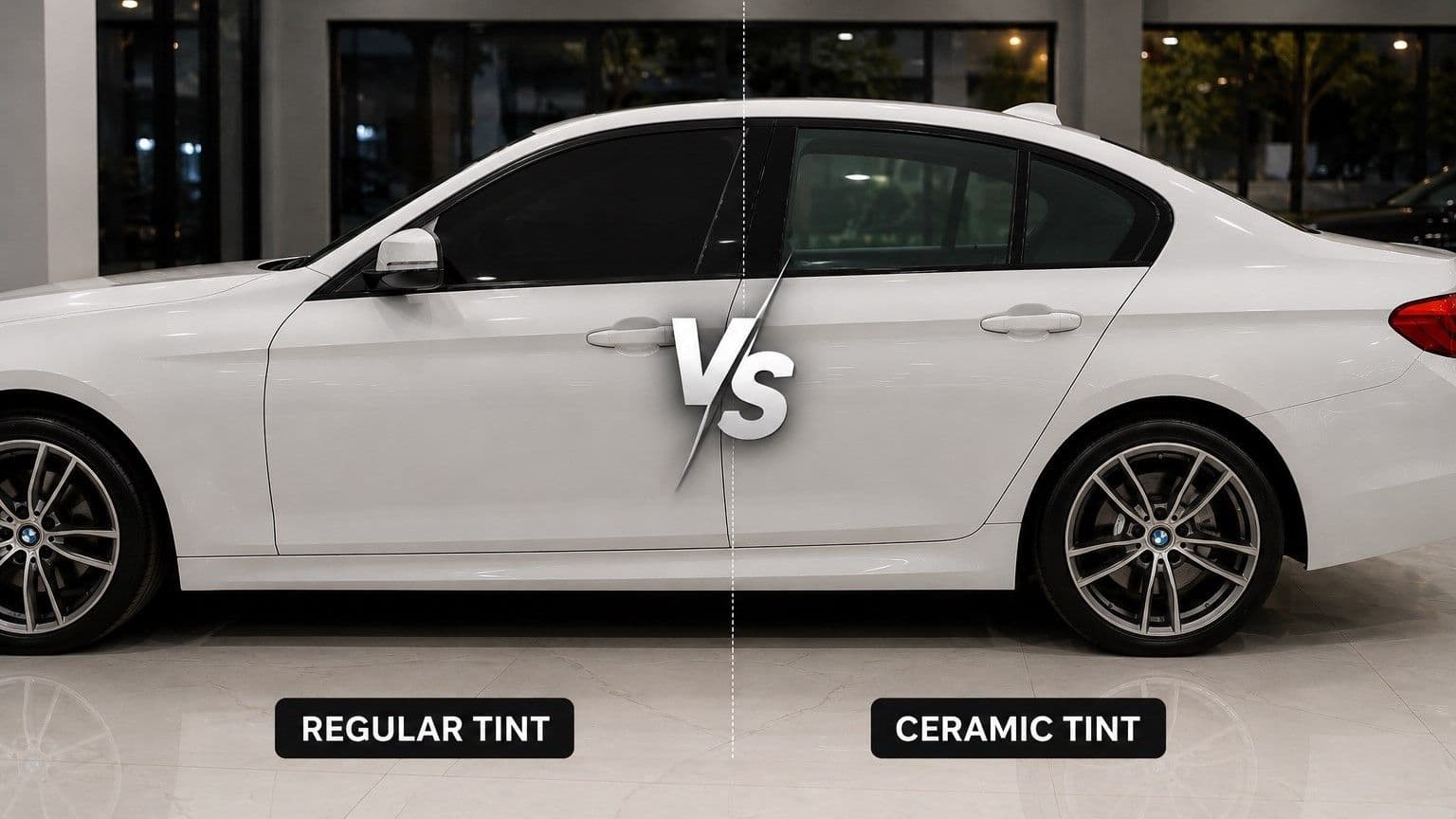
Ceramic tint and regular tint may look similar, yet they offer very different levels of performance. Choosing between Ceramic Tint vs Regular Tint is about more than appearance. Many drivers install window tint for cars to reduce heat, improve privacy, minimize glare, and protect the vehicle's interior from harmful UV rays. Regular window tint is a budget-friendly option for everyday needs, while ceramic car tint is built to deliver better heat rejection, greater durability, and clearer visibility without affecting electronic devices.
No single tint works for everyone. Comparing their features, performance, and long-term benefits helps you choose the best car window tint based on what matters most to you.
Here is a detailed comparison that explains the real differences between ceramic and regular window tint, helping you make an informed choice.
Ceramic Tint vs Regular Tint: Quick Comparison
When comparing ceramic window tint vs regular tint, the biggest difference lies in the technology used to block heat and protect the vehicle.
- Ceramic tint contains nano-ceramic particles that effectively reduce infrared heat rejection while maintaining excellent visibility.
- Regular window tint generally consists of dyed tint or metallic tint layers designed primarily to darken the glass.
- Ceramic films provide significantly better heat-rejection window tint performance.
- Regular tint mainly improves privacy and reduces glare at a lower upfront cost.
- Ceramic tint offers superior durability, clarity, and UV protection.
- Regular tint remains a practical option for drivers seeking basic performance within a limited budget.
There isn't a single answer that works for everyone. The better option depends on how and where the vehicle is driven.
What Is Regular Window Tint?
The term regular window tint most commonly refers to dyed tint, although some products also use metallic layers to improve heat reflection.
Its primary purpose is to darken the windows, creating greater privacy while reducing glare from sunlight. Many drivers choose this type of car window film because it provides an affordable upgrade over untreated glass.
Many modern films provide UV protection, though lower-cost dyed tint can start showing signs of wear after years in the sun. The color may fade, bubbles can form, and in some cases, the film may even develop a purple tint, especially in hotter climates.
For drivers focused mainly on privacy rather than thermal performance, regular tint continues to be a cost-effective choice.
What Is Ceramic Window Tint?
Unlike dyed or metallic films, ceramic car tint uses advanced nano-ceramic particles that are non-metallic and highly effective at blocking solar heat.
Infrared heat is one of the biggest reasons vehicle cabins become uncomfortable in warm weather. Ceramic tint blocks much of this heat, keeping cabin heat noticeably lower. It also delivers excellent UV protection window tint performance, helping protect both passengers and the vehicle's interior.
Another benefit is its optical clarity. Even lighter shades provide a clear view of the road while offering strong heat rejection. Since ceramic tint is non-metallic, it does not cause signal interference, so GPS, mobile networks, Bluetooth devices, and EV systems continue to work without interruption.
Compared to ceramic tint vs dyed tint, ceramic technology offers greater durability, longer-lasting appearance, and stronger overall performance.
Ceramic Tint vs Regular Tint: Comparison Table
The following table highlights the major performance differences between the two window tint technologies.
| Feature | Regular Tint | Ceramic Tint |
|---|---|---|
| Material | Dye or metal layers | Nano-ceramic particles |
| Heat rejection | Low to moderate | High |
| UV protection | Up to 99% (varies by film) | Up to 99% |
| Infrared Heat Rejection | Low to Moderate | High (varies by film) |
| Privacy | Good | Good |
| Glare reduction | Good | Better |
| Optical clarity | May reduce over time | Clearer visibility |
| Signal interference | Possible with metallic tint | None |
| Durability | Shorter lifespan | Longer lifespan |
| Cost | Lower upfront cost | Higher upfront cost |
| Best for | Budget and privacy | Heat, comfort, long-term value |
| Lifespan | 3–5 years | 10+ years |
The differences become easier to understand when both options are viewed side by side, especially for drivers looking beyond appearance.
Key Differences Between Ceramic Tint and Regular Tint
Several performance factors separate ceramic films from conventional window tint options.
1. Heat Rejection Performance
Regular window tint mainly darkens the glass to cut down on brightness and glare. Although it can reduce some heat, its overall infrared heat-rejection performance as a window tint is fairly limited.
Ceramic tint blocks a much higher amount of infrared heat, helping keep cabin heat lower without relying on very dark films. That is one of the main reasons ceramic tint for hot weather is a preferred choice in areas with long, hot summers.
With less heat entering the vehicle, the cabin stays more comfortable, and the air conditioner doesn't have to work as hard.
2. UV Protection
Both tint types can provide UV protection, although premium ceramic films generally perform more consistently over time.
Years of sun exposure can gradually change the appearance of a vehicle's interior. Interior fading often shows up on dashboards, leather seats, and trims first. Ceramic tint blocks much of the UV radiation responsible for this wear while helping protect everyone inside the vehicle.
They also make everyday driving more comfortable by limiting the amount of harmful UV radiation entering the cabin.
3. Visibility and Optical Clarity
Very dark-dyed films may reduce visibility at night or in rainy conditions.
One of the biggest advantages of ceramic tint is its optical clarity. Even lighter shades provide a clear view of the road while continuing to block heat effectively. This makes it a practical choice for daily commuting as well as long highway drives.
4. Signal Interference
Some metallic tint products interfere with GPS navigation, mobile reception, Bluetooth devices, and other electronic systems.
Ceramic tint contains no metal, eliminating concerns about signal interference. Modern vehicles equipped with advanced driver assistance systems, connected technology, and EV communication systems benefit greatly from this non-metallic construction.
Reliable electronic performance remains unaffected after installation.
5. Durability and Lifespan
Traditional dyed tint can begin to fade, peel, or develop bubbles after years of regular sun exposure. These signs of wear become more noticeable in areas with strong sunlight and high temperatures.
Ceramic tint is built for long-term durability. It holds its color well and is less likely to fade, peel, or bubble over time compared to conventional films.
A longer service life also means fewer replacements, making ceramic tint a better long-term investment.
Warranty coverage can also be a useful indicator of product quality. The Global Hi-Tech Films Titanium Series comes with a lifetime warranty in the USA, while customers in other regions receive up to 12 years of warranty coverage, depending on the market.
6. Cost vs Long-Term Value
The price difference between the two films is easy to notice. Regular window tint offers a lower entry cost, while ceramic tint sits at the premium end of the market.
Over time, ceramic tint can prove more economical thanks to its durability, stronger heat rejection, and reduced interior wear.
Selecting the right tint depends on balancing immediate budget with long-term ceramic tint benefits.
Does a Darker Window Tint Block More Heat?
A common misconception is that darker windows automatically block more heat.
Many people assume darker window films block more heat, although that is not how window films work. The level of darkness is defined by the Visible Light Transmission (VLT) rating, which measures how much visible light passes through the glass. A lower VLT percentage gives the windows a darker appearance, while a higher VLT allows more daylight inside.
Ceramic technology focuses on blocking infrared heat rejection, not simply reducing visible light. As a result, a lighter ceramic film can often outperform a much darker dyed film when it comes to keeping the cabin cooler.
Understanding the relationship between VLT and heat rejection helps drivers choose performance instead of appearance alone.
Which Window Tint Is Best for Different Climates and Driving Conditions?
Climate and driving conditions significantly influence the most suitable tint option.
| Climate / Usage | Best Recommendation | Why |
|---|---|---|
| Hot and sunny climate | Ceramic tint | Better heat rejection and UV protection |
| Mild climate | Regular or ceramic tint | Depends on budget and comfort needs |
| High-glare driving | Ceramic tint | Better glare control and clarity |
| Daily city driving | Ceramic tint | Improves cabin comfort |
| Short-term vehicle use | Regular tint | Lower upfront cost |
| Long-term vehicle use | Ceramic tint | Better durability and value |
Evaluating climate alongside driving habits helps identify the window tint that delivers the greatest long-term satisfaction.
Window Tint Laws: Check Legal VLT Limits Before Installation
Before choosing car window tinting, reviewing local window tint laws is essential.
Window tint laws vary by location, vehicle type, and the window being tinted. Windshields, front side windows, and rear windows often have different VLT limits that drivers need to follow.
An experienced installer can help you choose a film that meets legal requirements without compromising on privacy, cabin comfort, or heat rejection.
Following legal requirements prevents unnecessary penalties and ensures safe road visibility.
Is Ceramic Window Tint Worth the Extra Cost?
Many drivers wonder, is ceramic tint worth it?
For vehicles regularly exposed to hot climates, the answer is generally yes. Ceramic technology, such as the advanced solutions offered by Global Hi-Tech Films, delivers excellent heat rejection window tint performance, minimizes cabin temperatures, blocks harmful UV rays, and provides long-lasting durability.
Ceramic tint is a practical choice for people who drive every day, families, EV owners, luxury car owners, and anyone planning to keep their vehicle for years.
If privacy is the main concern and the budget is limited, regular tint can do the job. For better heat control, comfort, and long-term protection, ceramic tint is the stronger option.
How to Choose the Right Window Tint for Your Car
A few practical factors can help narrow down the right choice.
Climate
Hotter regions place greater demands on heat rejection. Ceramic tint for hot weather is designed to handle prolonged sun exposure more effectively.
Budget
Regular tint keeps the initial cost lower. Ceramic tint costs more, although its durability and performance often justify the added expense.
Vehicle Type
Ceramic car tint is a suitable choice for new vehicles, luxury models, premium cars, and EVs. Older vehicles kept for a shorter period may not require that level of performance.
Driving Habits
Frequent driving makes cabin comfort, visibility, and heat control more important. For occasional use, regular tint is often enough.
Legal Tint Regulations
Window tint laws specify the permitted VLT for different windows. Select a film that meets those requirements without giving up comfort or performance.
Keeping these points in mind makes it easier to choose a tint that fits both your vehicle and your driving needs.
Conclusion: Should You Choose Ceramic Tint or Regular Tint?
There is no one-size-fits-all answer to Ceramic Tint vs Regular Tint. Regular window tint remains a cost-effective choice for added privacy and glare reduction, especially for drivers looking for essential performance without a higher investment.
Ceramic window tint vs regular tint clearly favors ceramic technology when heat rejection, UV protection, glare reduction, optical clarity, and long-term durability are important considerations. Its ability to minimize cabin temperatures without affecting electronic systems makes it especially valuable in warm climates and for modern vehicles.
Ceramic tint is the smarter long-term option if comfort, protection, and performance matter most.
FAQs About Ceramic vs Regular Window Tint
- What is the difference between ceramic tint and regular tint? Ceramic tint blocks more heat and UV rays while maintaining clear visibility. Regular tint mainly improves privacy and reduces glare.
- Is ceramic tint better than regular tint? If heat rejection, durability, and comfort matter most, ceramic tint is the better choice. Regular tint works well for basic everyday needs.
- Does ceramic tint keep a car cooler? Yes. It blocks a significant amount of infrared heat, helping keep the cabin more comfortable, especially during summer.
- Is ceramic tint worth the extra cost? For drivers who spend a lot of time on the road or live in hot climates, the long-term benefits often justify the higher price.
- Does regular tint block heat? Yes, but only to a limited extent. Its main purpose is to reduce glare and add privacy.
- Does ceramic tint block UV rays? Yes. Most premium ceramic films block up to 99% of harmful UV rays, helping protect both passengers and the vehicle's interior.
- Can ceramic tint interfere with GPS or mobile signals? No. Ceramic tint is non-metallic, so it does not interfere with GPS, mobile networks, or Bluetooth signals.
- Does darker tint mean better heat rejection? Not necessarily. Heat rejection depends on the film's technology, not how dark the tint appears.
- How long does ceramic tint last? A high-quality ceramic tint can last 10 years or more with proper installation and care.
- What tint percentage is legal for cars? The legal tint percentage varies by location, so always check the local VLT regulations before installation.
- Is ceramic tint better for hot climates? Yes. Its superior heat rejection makes it a preferred choice for regions with high temperatures and strong sunlight.
Read also
 Global Hi-Tech FilmsWindow Films
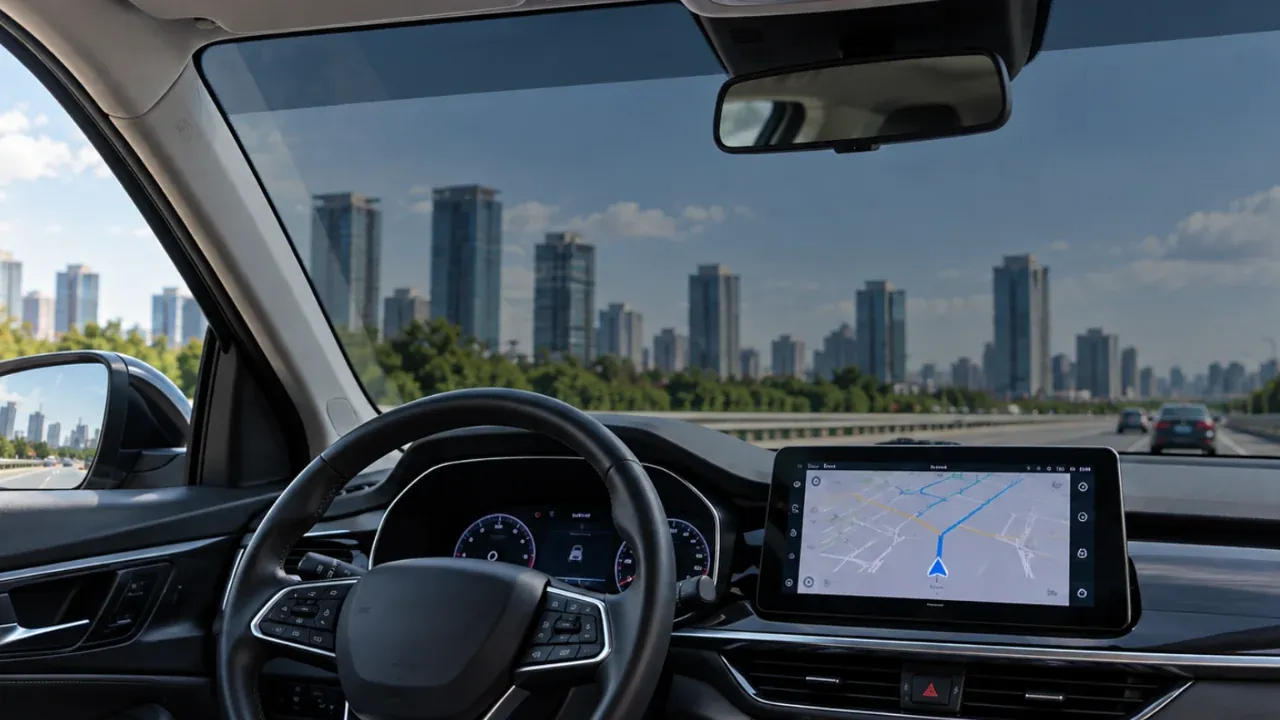
Does Automotive Window Film Affect GPS, Mobile Signals or Keyless Entry?
Does automotive window film affect GPS, mobile signals or keyless entry? Learn how film construction can influence vehicle connectivity and signals. Explore now.
 Global Hi-Tech FilmsArchitecture
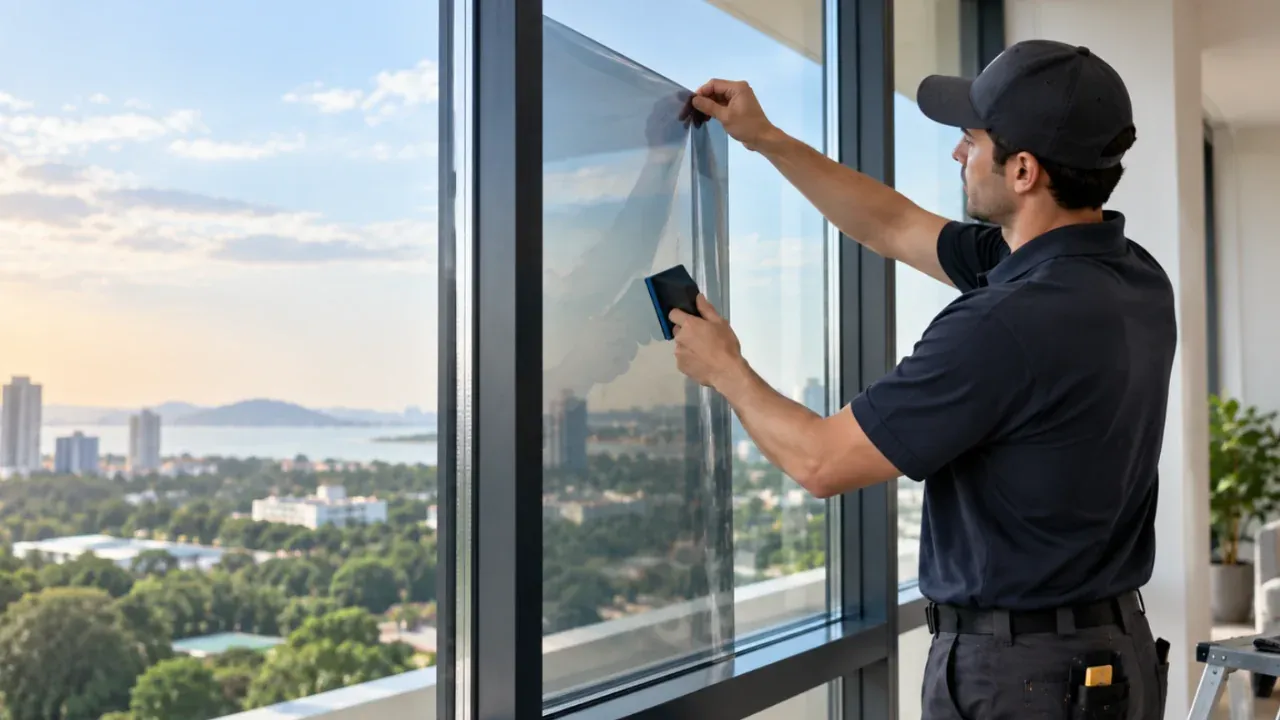
Can Window Film Be Applied to Double-Pane and Low-E Glass?
Can window film be used on double-pane and Low-E glass? Learn about compatibility, glass types, thermal stress and key installation factors. Explore now.
 Global Hi-Tech FilmsWindow Films
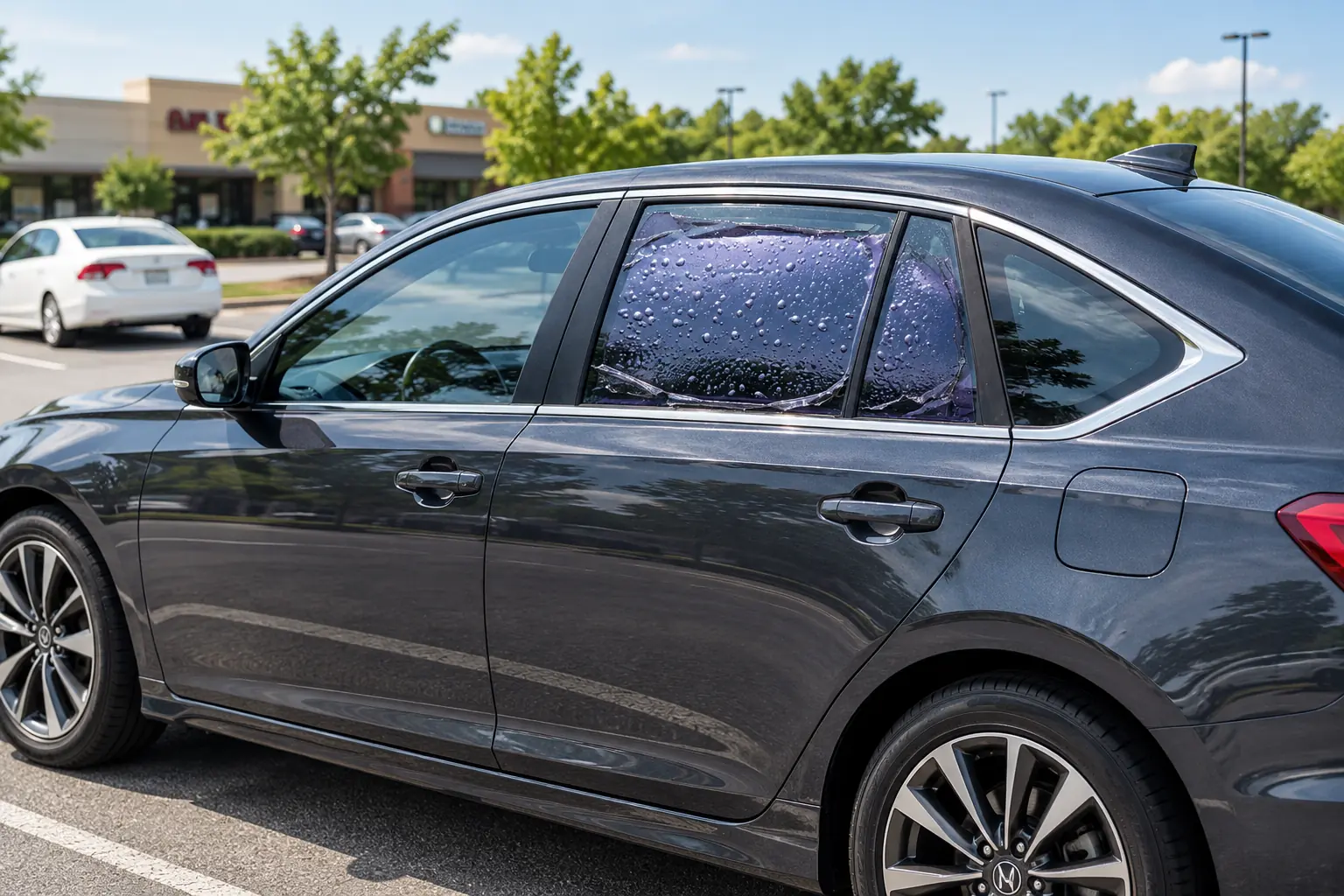
Why Does Automotive Window Film Bubble, Peel or Change Color?
Discover why automotive window film bubbles, peels or changes color, the common causes of film failure, and how quality installation helps prevent damage.