

How to Choose the Right PPF for Your Car?
Learn how to choose the right Paint Protection Film (PPF) for your car. Discover types, thickness, self-healing, durability & expert tips for long-lasting paint protection.
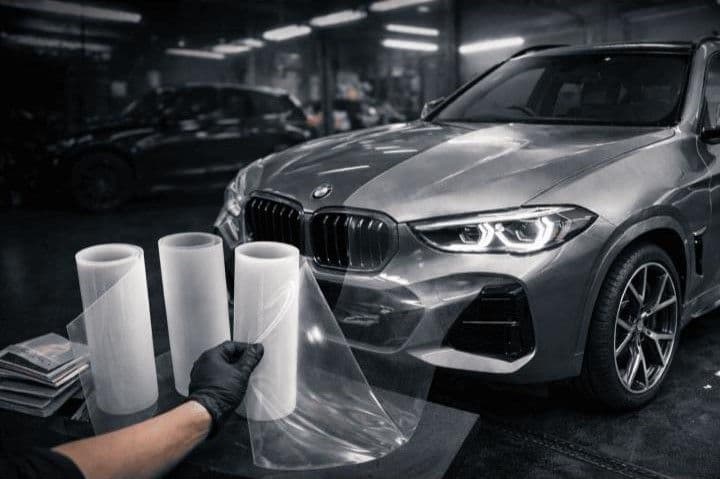
Paint Protection Film is no longer just an upgrade. It's a standard consideration for car owners who want to preserve paint quality. However, there is always an important question when it comes to installing the film on the vehicle: ‘How to choose the right PPF for your car?’ PPFs come with various thicknesses, finishes, materials, warranties, and pricing, which can confuse even experienced buyers.
What many car owners do not realize is that not all vehicles need the same level of protection. The driving environment, usage frequency, exposure to road debris, and ownership timelines play an important role in determining which is the best PPF for cars, and delivers real value versus unnecessary costs.
This blog will be your car PPF buying guide. We will break down the process of choosing the right PPF by exploring how you can match the film material and thickness to your driving habits, select the right finish, decide between full or partial coverage, and understand when PPF delivers long-term value.
What Makes a PPF High-Quality?
Not all PPFs perform in the same way, even if they look similar at first glance. True quality comes down to material composition, optical clarity, durability, and long-term stability. There are two common types of PPFs for cars - Thermoplastic Polyurethane (TPU) films, and PVC films.
Why TPU PPF is Non-Negotiable.
Thermoplastic Polyurethane or TPU is the industry standard in the market. It offers:
- Elasticity that absorbs rock chips and road debris.
- Superior optical clarity with minimal peeling.
- UV resistance to prevent discoloration.
- Long-term flexibility that maintains adhesion over time.
Why Cheaper PVC or TPH Films Fail Early.
While low-cost films made from PVC or TPH reduce upfront costs, they typically suffer from:
- Premature yellowing due to UV exposure.
- Cracking or hardening due to temperature fluctuations.
- Loss of self-healing capability over time.
Importance of Long-Term Durability
A high-quality Paint Protection Film for cars protects your vehicle’s paint for years under real-world driving conditions. Longevity directly impacts resale value and overall cost of ownership.
Key Factors to Consider When Choosing PPF
When doing a paint protection film selection, do not forget to consider the following features:
Material Type - TPU vs PVC/TPH
- TPU: Flexible, self-healing, long service life (usually 5 to 10 years)
- PVC/TPH: Budget-oriented, with limited lifespan. Not recommended for premium or long-term protection.
PPF Thickness - 6 mil vs 8 mil vs 10 mil
When you do a PPF thickness comparison, you will find that:
- 6 - 7 mil PPFs give entry-level protection for light driving and leased vehicles.
- 8 mil is a balanced option for regular drivers and highway use.
- 9 to 10 mil offers maximum protection against rock chips, road debris, and abrasive conditions.
PPF thickness should align with how and where the vehicle is driven, and not just the car’s value.
Self-Healing Capabilities
Modern protection films often heal scratches with exposure to heat. Here are some self-healing PPF benefits:
- Light scratches disappear with sunlight or warm water.
- Reduces the need for paint protection.
- Preserves surface clarity over time.
Finish Type - Gloss vs Matte PPF
- Gloss PPF: Maintains or enhances factory paint depth and shine
- Matte/Satin PPF: Converts glossy paint into a uniform satin or stealth finish without repainting.
Hydrophobic and Stain-Resistant Properties
PPFs for car paint protection often have advanced topcoat technology that provides:
- Easier washing and reduced dirt adhesion.
- Resistance to water spots, bug splatter, and bird droppings.
- Better long-term cosmetic appearance.
Why Brand and Warranty Matter More Than Price
In the market, warranty terms are strong indicators of PPF quality. Premium brands like Global Hi-Tech Films typically offer:
- A 10-year manufacturer-backed warranty.
- Coverage for yellowing, staining, cracking, bubbling, and delamination.
- Documented testing and performance standards.
Manufacturers often ensure top-of-the-line material engineering, coating technology, and quality control, resulting in consistent long-term performance. What matters more than the price is the PPF’s quality and warranty.
Choosing the Right PPF Based on Vehicle Usage
Wondering how to select a paint protection film based on your vehicle usage? Let’s look at it more closely:
Daily Driver
- 8 to 10 mil TPU.
- Strong self-healing and durable top coat.
- Balanced protection for urban and highway driving.
Luxury or Sports Car
- High-clarity gloss TPU.
- Minimal texture for paint depth preservation.
- Enhanced UV stability.
SUV, Truck or Off Road Vehicle
- Thicker, impact-resistant TPU.
- Strong edge adhesion.
- Designed to handle gravel debris and uneven terrain.
Full Vehicle vs Partial PPF
When it comes to installing Paint Protection Film for cars, owners have two options to choose from for coverage:
Partial Coverage
- Protects high-impact zones (front bumper, hood, mirrors and fenders)
- Lower upfront cost
- Common choice for leased vehicles.
Full Vehicle Coverage
- Uniform protection and consistent appearance.
- Prevents uneven paint wear or fading.
- Best for long-term ownership and high-value vehicles.
If you plan to keep your vehicle beyond five years, full PPF is a good option as it delivers better long-term value.
Installation Quality - The Most Overlooked Factor
Even the best PPF can fail if not installed correctly, making it an important part of paint protection film selection. Consult with a professional installer to ensure the following:
- Controlled, dust-free environment.
- Precise pattern alignment and wrapped edges.
- Proper curing and adhesion.
Installation quality often matters more. Experienced installers ensure precise alignment, clean edges, and proper adhesion, allowing the PPF to perform as intended while maintaining a flawless finish over time.
Steps to Take Before Buying PPF
Let’s explore some vital things to consider before buying PPF, such as the steps you will need to take before making your purchase:
- Request physical samples of the paint protection films.
- Evaluate them for clarity, thickness and surface texture.
- Compare the warranty coverage in detail.
- Visit the installation facility to review their previous work so you can understand the quality.
Common Mistakes to Avoid When Choosing PPF
Often, while wondering ‘which PPF is best for my car?’, buyers often make mistakes that prove to be fatal in the long-term. Take a look at the following, so you can avoid making them:
- Choosing based on price alone.
- Overlooking installer experience and certifications.
- Ignoring warranty exclusions.
- Selecting film thickness that doesn’t match your driving habits.
Quick Checklist to Choose the Right PPF
To make things easier, follow this checklist when you are choosing PPF for your car:
- Driving type and conditions and identified.
- Appropriate thickness selected.
- Finish preference finalized.
- Manufacturer warranty finalized.
- Installer credentials confirmed.
Conclusion
Picking the right Paint Protection Film requires more than comparing prices or brand names. The best results come from aligning material quality, film thickness, finish type, warranty coverage and installation expertise, with how the vehicle is actually used.
PPFs are a practical long-term investment that protects the appearance and resale value of your vehicle. So, selecting the right paint protection film and getting it installed correctly is very important.
FAQs
- Which PPF is best for my car? A high-quality TPU PPF with self-healing and a strong manufacturer warranty is the best choice for your car.
- What thickness PPF should I choose: 6 mil, 8 mil, or 10 mil? It depends on how often you use your car; 6 to 7 mil for light driving, 8 mil for daily use, and 9 to 10 mil for heavy-duty or highway use.
- How do I know if a PPF is high quality? Look for PPFs made from TPU material, with clarity, self-healing perfomance and warranty length.
- Should I choose gloss or matte PPF? Gloss preserves factory paint appearance, while matte provides a satin or stealth look.
- How long does paint protection film last? Premium TPU films from brands like Global Hi-Tech Films typically last for 5 to 10 years.
- Does PPF turn yellow over time? Low-quality films may turn yellow, while premium TPU films resist yellowing.
- Is matte PPF suitable for glossy paint finishes? Yes. It safely converts the car’s glossy finish into a more uniform matte appearance.
- What areas of a car should be protected with PPF? The front bumper, hood, fenders, mirrors, rocker panels and high impact zones should be protected with the PPF.
Read also
 Global Hi-Tech FilmsWindow Films
Does Automotive Window Film Affect GPS, Mobile Signals or Keyless Entry?
Does automotive window film affect GPS, mobile signals or keyless entry? Learn how film construction can influence vehicle connectivity and signals. Explore now.
 Global Hi-Tech FilmsArchitecture
Can Window Film Be Applied to Double-Pane and Low-E Glass?
Can window film be used on double-pane and Low-E glass? Learn about compatibility, glass types, thermal stress and key installation factors. Explore now.
 Global Hi-Tech FilmsWindow Films
Why Does Automotive Window Film Bubble, Peel or Change Color?
Discover why automotive window film bubbles, peels or changes color, the common causes of film failure, and how quality installation helps prevent damage.