

What Are the Different Grades of PPF Film? Complete Guide to PPF Grades, Types & Quality
Learn about different PPF film grades, their types, and quality differences. Choose the right paint protection film for durability, clarity, and value.
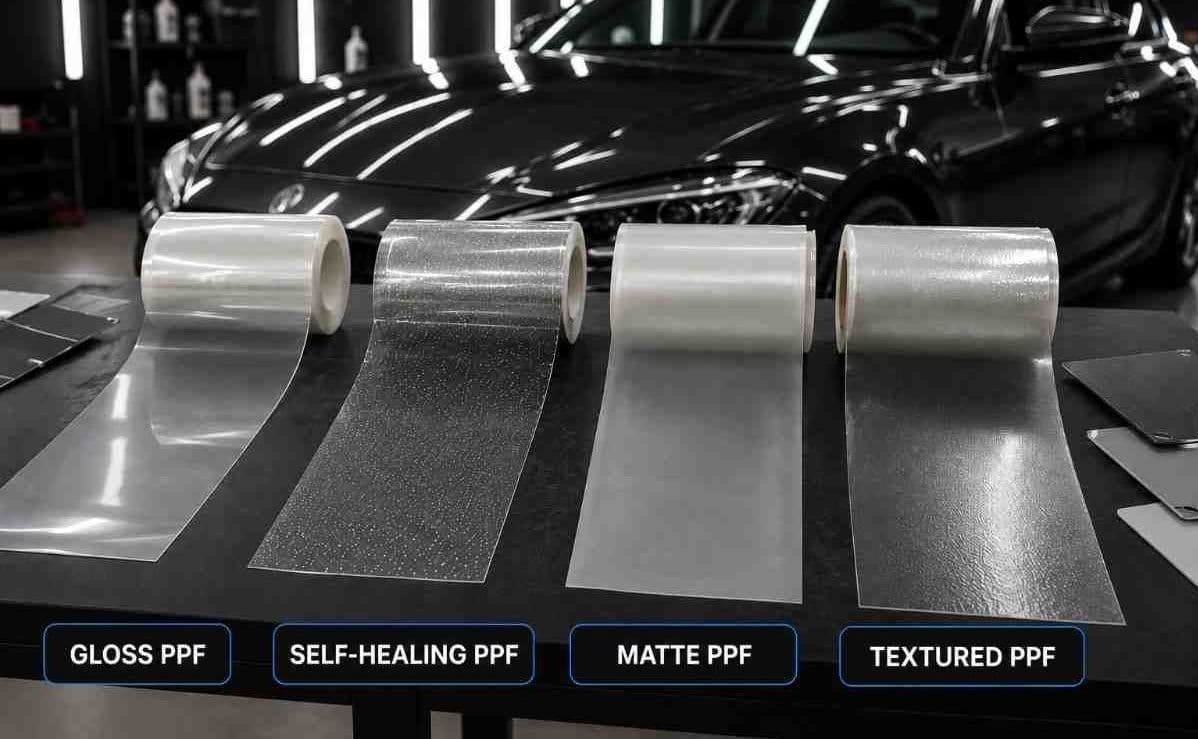
Not all paint protection films are created equal, and choosing the wrong grade can cost you thousands in premature replacement fees. If you are researching different grades of PPF film to protect your vehicle, understanding the hierarchy from basic PVC to premium TPU is essential for making an informed decision. The quality of your protective film directly impacts its longevity, clarity, and ability to self heal from scratches.
PPF grades refer to the different quality levels of paint protection films based on their material, thickness, coating technology, finish, and overall performance. Higher-grade automotive protection film typically offers better self-healing, UV resistance, optical clarity, durability, and longer warranties than entry-level films.
This comprehensive guide breaks down clear bra quality grades, types of surface protection film, and the critical differences between TPU vs TPH to help you select the best option for cars that matches your budget and protection needs.
Which Grade of PPF Is Best for Your Needs?
Before diving into technical specifications, it helps to understand which grade matches your specific situation. To help you quickly identify the right protective film for your vehicle, review the needs-based recommendation table below showing which grade of PPF is best for different driving scenarios.
| Need | Recommended Grade | Why |
|---|---|---|
| Tight budget | TPH grade | Affordable mid range protection |
| Daily driving | Standard TPU | Best value for everyday use |
| Luxury vehicles | Aliphatic TPU | Superior clarity and no yellowing |
| Off road use | Thick TPU (10-12 mil) | Maximum impact resistance |
| Sports cars | Ceramic infused TPU | Enhanced gloss and easy cleaning |
| Show vehicles | Premium gloss TPU | Optically clear finish |
| Custom look | Matte or colored TPU | Style change with protection |
Material Grades of PPF Film Explained
The foundation of any protective film is its base material. These material grades determine the fundamental performance characteristics of the clear bra.
PVC Grade: Entry-Level Paint Protection Film
Polyvinyl Chloride represents the oldest and most basic type of automotive protection film. This rigid plastic film offers minimal protection against rock chips but suffers from significant drawbacks. PVC films are difficult to install on curved surfaces due to their stiffness and tend to yellow rapidly when exposed to sunlight. The material lacks self healing properties and typically becomes brittle over time, leading to cracking and peeling. While it provides a budget friendly option for short term use, PVC is rarely recommended for long term vehicle protection.
TPH Grade: Mid-Range Paint Protection Film
Thermoplastic Polyolefin Hybrid serves as a middle ground between basic PVC and premium TPU films. Manufacturers create TPH by mixing plastics with polymers to improve flexibility and performance. These films offer better UV resistance than PVC and some versions include basic self healing capabilities. However, TPH films remain stiffer and less elastic than TPU alternatives, making installation more challenging on complex curves. The optical clarity is moderate, and while they resist yellowing better than PVC, they do not match the long term performance of true thermoplastic polyurethane films.
TPU Grade: The Premium Standard for Paint Protection Film
Thermoplastic Polyurethane represents the gold standard in vehicle protection film. This flexible, rubber like material stretches without cracking and conforms smoothly to complex vehicle contours. Professional installers generally recommend premium aliphatic TPU because it stretches better during installation, conforms to complex curves without lifting, and maintains optical clarity over years of exposure. Premium TPU films feature excellent optical clarity and contain advanced self healing top coats that allow minor scratches to disappear when exposed to heat from sunlight or warm water. The material offers exceptional resistance to yellowing and maintains its clarity for years. TPU films provide the best balance of protection, aesthetics, and longevity, making them the preferred choice for luxury cars and daily drivers alike.
Heavy-Duty TPU Grade: Maximum Protection for Extreme Driving
For extreme conditions, some manufacturers offer polycarbonate infused films that combine TPU flexibility with exceptional impact resistance. These ultra premium grades are designed for track racing, gravel roads, and high impact zones where maximum protection is essential. While slightly stiffer than standard TPU, they offer superior deep scratch recovery and are virtually immune to hazing or yellowing over time.
Performance Grades of PPF Film
Within the premium TPU category, manufacturers offer different grades of paint protection film based on functional coatings and technological enhancements. Understanding these sub grades helps you choose the right level of protection for your driving conditions.
Standard Self-Healing PPF Grade
This baseline premium grade features an elastomeric top coat that fixes swirl marks and light scratches when exposed to heat. The self healing properties activate under direct sunlight or when warm water is applied to the surface. This grade provides excellent protection against rock chips, road debris, and minor abrasions while maintaining the factory finish of your vehicle. It represents the best value for most car owners seeking long term paint protection.
Ceramic-Infused & Hydrophobic PPF Grade
This advanced grade blends standard TPU protection with a factory applied ceramic coating. The hydrophobic surface repels water, mud, bird droppings, and chemical contaminants effortlessly. Water beads up and rolls off the surface, taking dirt with it and making the vehicle easier to clean. This grade is ideal for owners who want maximum protection combined with minimal maintenance requirements. The ceramic infusion also enhances gloss and provides an additional barrier against environmental stains.
Heavy-Duty PPF Grade for Track & Off-Road Use
Designed for extreme conditions, this grade features a significantly thicker profile, typically ten to twelve mils compared to the standard eight mils. The increased thickness provides superior impact resistance against high speed debris, gravel, and track hazards. This grade is meant specifically for track racing vehicles, off road applications, and cars frequently driven on unpaved or gravel roads. While slightly more visible than thinner films, it offers unmatched protection in high impact zones.
Appearance Grades of Paint Protection Film
Protective film grades are also categorized by their final cosmetic appearance, allowing you to either preserve your vehicle's factory look or transform its aesthetic while maintaining protection.
Gloss Finish PPF Grade
Optically clear and invisible, gloss finish PPF is designed to deepen and amplify your vehicle's factory shine. This grade maintains the original appearance of your paint while providing a protective barrier against environmental damage. The high clarity ensures that the film is virtually undetectable, preserving the crisp lines and vibrant color of your vehicle.
Matte & Satin Finish PPF Grade
This grade transforms any glossy car paint into a smooth, frosted, satin look while retaining identical protection capabilities. Matte finish PPF is popular among owners who want to achieve a stealth or aggressive aesthetic without permanent paint modification. The film provides the same self healing and impact resistance as gloss variants while completely changing the visual character of the vehicle.
Colored & Textured PPF Grade
Some premium grades completely shift the vehicle color or introduce textures like forged carbon fiber. These specialized films allow for dramatic customization while protecting the underlying paint from chips and scratches. High gloss black PPF, for example, can create a blackout effect on specific panels, while textured finishes add visual depth and uniqueness to the vehicle's appearance.
Thickness Grades of Automotive Protection Film
Understanding paint protection film thickness is crucial for selecting the right grade for your needs. Thickness is measured in mils, where one mil equals one thousandth of an inch, or in microns for metric measurements.
To help you understand how thickness affects protection levels, review the detailed PPF thickness comparison table below that outlines the applications and benefits of each measurement standard.
| Thickness | Measurement in Microns | Protection Level | Best Application |
|---|---|---|---|
| Six to seven mils | One hundred fifty to one hundred seventy five microns | Basic protection | Interior applications and low risk areas |
| Eight mils | Two hundred microns | Standard protection | Full vehicle coverage for daily drivers |
| Nine to ten mils | Two hundred twenty five to two hundred fifty microns | Enhanced protection | High impact zones and luxury vehicles |
| Eleven to twelve mils | Two hundred seventy five to three hundred microns | Maximum protection | Track vehicles and extreme conditions |
A good, protective PPF should generally be between eight to ten mils thick for most automotive applications. Thinner films may not provide adequate impact resistance, while excessively thick films can be difficult to install and may show edges more prominently.
PPF Grade Comparison: PVC vs TPH vs TPU
To help you evaluate which material grade suits your vehicle and budget, review the comprehensive comparison table below detailing the performance characteristics of each PPF quality grade including lifespan, self healing capability, and warranty coverage.
| Grade | Lifespan | Self Healing | Warranty | UV Resistance | Best For |
|---|---|---|---|---|---|
| PVC | 1-2 years | None | None or limited | Poor | Short term use |
| TPH | 3-5 years | Limited | Three to five years | Moderate | Budget buyers |
| Standard TPU | 7-10 years | Advanced | Seven to ten years | Excellent | Daily drivers |
| Aliphatic TPU | 10+ years | Advanced | Lifetime | Superior | Luxury vehicles |
| Ceramic TPU | 10+ years | Advanced plus hydrophobic | Lifetime | Superior | Easy maintenance |
How to Choose the Right Grade of PPF Film
Selecting the right types of protective film depends on several factors including your budget, vehicle value, driving conditions, and aesthetic preferences. Use this decision tree to guide your choice.
Choose PVC If
- You need temporary protection for less than two years
- The vehicle will be sold or replaced soon
- Budget is the absolute primary concern
- The vehicle is used for short term fleet purposes
Choose TPH If
- You have a moderate budget
- The vehicle is five years old or older
- You plan to keep the car for three to five years
- You want basic protection without premium features
Choose Standard TPU If
- You drive daily and want reliable protection
- You plan to keep your vehicle for seven plus years
- You want self healing properties
- You value optical clarity and appearance
Choose Aliphatic TPU If
- You own a luxury or high value vehicle
- You want the film to last ten plus years
- Your vehicle is white or light colored
- You want lifetime warranty coverage
- You demand the best clarity and no yellowing
Choose Ceramic Infused TPU If
- You want the easiest maintenance
- You desire enhanced hydrophobic properties
- You want maximum gloss and water beading
- You are willing to pay premium for convenience
Common Mistakes to Avoid When Choosing PPF Film Grades
Avoiding these common errors will save you money and ensure you get the protection you need.
Buying Based Only on Thickness
Thickness matters, but material quality matters more. A thick PVC film will still yellow and crack, while a thinner aliphatic TPU film will maintain clarity and flexibility for years.
Confusing TPU with TPH
Some sellers market TPH as TPU to charge premium prices. Always verify the material specification and request documentation showing it is true thermoplastic polyurethane.
Ignoring Warranty Terms
A ten year warranty means nothing if the installer goes out of business or the manufacturer has poor support. Choose reputable brands like Global Hi-Tech Films that offer transferable lifetime warranty with strong backing.
Choosing Aromatic TPU
Aromatic TPU will yellow over time, especially on white vehicles. Always specify aliphatic TPU for long term clarity and appearance.
Selecting the Cheapest Installer
Even the best film will fail if improperly installed. Choose certified installers with proven experience in handling premium TPU films. Ask to see their portfolio and warranty support record.
Choosing the Right Grade of PPF Film for Long-Term Protection
Understanding the different grades of PPF film is essential for protecting your investment and ensuring long term satisfaction. From basic PVC to premium aliphatic TPU, each grade offers distinct advantages and limitations. For most vehicle owners, premium TPU with self healing properties and aliphatic chemistry provides the best balance of protection, clarity, and longevity. Whether you choose gloss, matte, or ceramic infused variants, selecting the right protective film grade ensures your vehicle's paint remains pristine for years to come. Always work with certified installers and reputable manufacturers like Global Hi-Tech Films to guarantee the performance and durability of your paint protection film investment. The right grade of automotive protection film not only shields your vehicle from damage but also preserves its appearance and resale value for the long term.
FAQs About Different Grades of PPF Film
- What are the different grades of PPF film? The main grades of PPF film include PVC, TPH, and TPU. Premium TPU films offer the best combination of durability, self-healing properties, optical clarity, and long-term paint protection.
- Which grade of PPF is best for a car? Premium TPU PPF is widely considered the best choice for most vehicles because it provides excellent impact resistance, self-healing technology, UV protection, and long-lasting performance.
- What is the difference between TPU and TPH PPF? TPU (Thermoplastic Polyurethane) is more flexible, durable, and resistant to yellowing than TPH (Thermoplastic Polyolefin Hybrid). TPU also offers better self-healing capabilities and a longer lifespan.
- Does a higher-grade PPF last longer? Yes. Higher-grade PPF, especially premium TPU films, can last 7–10 years or more with proper installation and maintenance, whereas lower-grade films typically have a shorter lifespan.
- Is thicker PPF always better? Not necessarily. While thicker PPF provides better protection against rock chips and impacts, the material quality, adhesive, and top-coat technology are equally important for overall performance.
- What features should I look for in a high-quality PPF? Look for self-healing technology, high optical clarity, UV resistance, hydrophobic properties, stain resistance, durable adhesive, and a comprehensive manufacturer warranty.
- Which PPF grade is best for luxury and premium cars? Premium TPU PPF is the preferred choice for luxury and high-value vehicles because it preserves the original paint finish while offering superior protection against scratches, stone chips, and environmental damage.
- Can premium PPF prevent paint from fading or yellowing? Yes. High-quality TPU paint protection films are designed to resist UV exposure, helping protect the vehicle's paint from fading while maintaining the film's clarity over time.
- Is premium PPF worth the extra cost? For vehicle owners planning to keep their car for several years, premium PPF is often worth the investment due to its longer lifespan, better protection, reduced maintenance, and improved resale value.
- How do I choose the right grade of PPF film? Consider your budget, driving conditions, vehicle value, desired finish (gloss or matte), warranty coverage, and installer expertise. Premium TPU is the best option for long-term protection, while TPH may suit buyers looking for a more budget-friendly solution.
Read also
 Global Hi-Tech FilmsWindow Films
Does Automotive Window Film Affect GPS, Mobile Signals or Keyless Entry?
Does automotive window film affect GPS, mobile signals or keyless entry? Learn how film construction can influence vehicle connectivity and signals. Explore now.
 Global Hi-Tech FilmsArchitecture
Can Window Film Be Applied to Double-Pane and Low-E Glass?
Can window film be used on double-pane and Low-E glass? Learn about compatibility, glass types, thermal stress and key installation factors. Explore now.
 Global Hi-Tech FilmsWindow Films
Why Does Automotive Window Film Bubble, Peel or Change Color?
Discover why automotive window film bubbles, peels or changes color, the common causes of film failure, and how quality installation helps prevent damage.