

Do All Window Films Provide Heat Rejection?
Understand whether all window films provide heat rejection and learn how different film types perform in blocking heat, glare, and UV rays.
Introduction
Window films have become extremely popular for homes, commercial spaces, and automobiles due to their ability to reduce glare, improve comfort, and enhance privacy. However, one common assumption most people make is that all window films reject heat. While darker windows appear cooler, the truth is that only certain window films are designed to effectively reduce heat. Many films are made for colour, style, or privacy, and offer very little thermal performance.
This article breaks down how heat rejection works, why different films perform differently, what technical metrics matter, and how advanced solutions, such as those from Global HiTech Films deliver superior heat control.
How Window Films Work: The Science Behind Heat Rejection
Before understanding which films reject heat, it’s important to know how heat enters a space. Sunlight contains:
- Visible Light
- Infrared (IR) Radiation: The main source of heat
- Ultraviolet (UV) Radiation
Window films interact with these components in three ways:
1. Reflection
Some films reflect solar energy before it passes through the glass. Metallized and reflective films use thin metallic layers to bounce heat back outward.
2. Absorption
Dyed, carbon-based, and some ceramic films absorb heat and slowly dissipate it. This reduces the heat felt on the inside.
3. Selective Transmission
Advanced nano-ceramic or multi-layer optical films selectively block specific wavelengths, especially IR rays, without blocking much visible light.
The effectiveness of a film depends on the combination of these mechanisms.
Key Metrics That Determine Heat Rejection
Not all window films provide heat control because not all films are engineered for solar management. These are the metrics you should look for:
| Metric | Meaning | Why It Matters |
|---|---|---|
| TSER (Total Solar Energy Rejection) | Indicates how much of the total solar energy (heat) is blocked | Most accurate measure of heat rejection |
| IRR (Infrared Rejection) | How effectively the film rejects infrared heat | Higher IRR = better thermal comfort |
| VLT (Visible Light Transmission) | How much visible light passes through the film | Lower VLT = darker film, but not necessarily more heat rejection |
| UV Rejection | How much UV radiation is blocked | Protects skin & prevents fading but doesn’t indicate heat rejection |
A film may look dark (low VLT) but still have poor TSER or IRR. That is why shade does not guarantee heat rejection.
Why All Window Films Don’t Provide Heat Rejection
The performance of window films varies based on technology, materials, and intended purpose. Here are the main reasons:
1. Different Film Types Offer Different Capabilities
Dyed Films
- Mostly aesthetic
- Absorb some solar energy
- Low to moderate heat rejection
Carbon Films
- Better at absorbing IR heat
- Reduce interior temperature more effectively
- Matte finish
Metalized Films
- High heat rejection due to reflectivity
- It can interfere with GPS and mobile signals.
Nano-Ceramic Films
- Excellent heat rejection
- High IRR and TSER
- Do not interfere with electronics.
- Good visibility even with lighter shades
Multi-Layer Optical Films
- Block heat selectively at the molecular level
- Clear look but extremely high heat rejection
- Premium segment (common in high-end brands like Global HiTech Films)
2. Darkness Does Not Equal Heat Rejection
Many people assume darker films provide more heat reduction, but this is a misconception.
A dark dyed film may reduce glare but does little to block IR heat. Meanwhile, a nearly clear nano-ceramic film may offer extremely high IR rejection.
Heat rejection depends on technology, not darkness.
3. Glass Type Affects Actual Performance
Single, double, tinted, or laminated glasses all perform differently. Some building glasses already have coatings, while many automotive glasses only reduce UV and not IR. Installing a high-performance film improves overall efficiency regardless.
4. Not All Films Are Engineered for Solar Control
Some films are designed primarily for:
- Aesthetics
- Privacy
- Safety/shatter resistance
- Anti-graffiti protection
These speciality films may have minimal heat rejection capabilities.
Benefits of Using Heat-Rejecting Window Films
1. Improved Comfort
Significantly reduces the sun's heat entering your space or vehicle.
2. Lower AC Load
Reduces energy consumption in homes/offices and fuel usage in vehicles.
3. Protects Interiors
Prevents fading of seats, dashboards, curtains, and furniture by blocking UV rays.
4. Glare Control
Improves visibility and comfort while working, driving, or relaxing.
5. Enhanced Privacy
Reflective films offer daytime privacy without making interiors too dark.
6. Long-Term Cost Savings
Reduced AC consumption leads to noticeable energy savings over time.
Heat-Rejection Levels by Film Type
| Film Type | Typical Heat Rejection (Approx.) | Suitable For |
|---|---|---|
| Dyed Film | 10–25% TSER | Basic privacy & aesthetics |
| Carbon Film | 30–50% TSER | Moderate heat and glare reduction |
| Metalized Film | 45–65% TSER | Strong heat control (may affect signals) |
| Nano-Ceramic Film | 60–80% TSER | High-performance heat rejection |
| Multi-Layer Optical Film | 70–90% TSER | Premium clarity + maximum performance |
(Note: These ranges are indicative and vary by product.)
Choosing the Right Film for Heat Rejection
1. Check TSER and IRR instead of VLT
Heat rejection depends on solar-energy handling, not shade darkness.
2. Consider Your Application
- Automotive: Ensure compliance with local VLT laws.
- Home/Office: Focus on TSER to reduce cooling costs.
3. Prioritize Technology
Nano-ceramic and multi-layer films offer the best results.
4. Get Professional Installation
A high-quality film performs best only when installed correctly.
5. Look at Warranty and Durability
Premium brands, including Global HiTech Films, often offer long-term warranties.
Global HiTech Films: Example of High-Performance Heat-Rejection Technology
A modern, high-quality brand like Global HiTech Films is engineered precisely for solar control. Their heat-rejection range often includes:
- Nano-ceramic particles for high IRR
- Multi-layer optical structures for superior TSER
- 99%+ UV protection
- Scratch-resistant surface coatings
- Multiple VLT options to match local regulations
- No signal interference
These features ensure maximum comfort, lower cabin/room temperatures, and better energy efficiency.
Conclusion
Not all window films provide heat rejection. Only films designed with heat-control technologies such as carbon, metalized, nano-ceramic, and multi-layer optical films offer significant thermal benefits. Basic films may look dark, but they often lack true solar-control capabilities.
If your goal is to reduce heat, save energy, protect interiors, and improve comfort, choose a film with high TSER, strong IRR, and proven durability. Premium solutions from advanced manufacturers like Global HiTech Films deliver outstanding heat-rejection performance while maintaining clarity, UV protection, and long-lasting quality.
Frequently Asked Questions (FAQs)
1. Do all window films provide heat rejection?
No. Some are designed only for privacy, colour, or UV protection. True heat-rejecting films use ceramic, carbon, metalized, or optical technology.
2. Does a darker film reject more heat?
Not always. Heat rejection depends on TSER and IRR, not on how dark a film looks. A light ceramic film can outperform a dark dyed film.
3. Can a clear film still reduce heat?
Yes. High-quality nano-ceramic or multi-layer films can remain nearly clear while blocking a large amount of IR heat.
4. Is infrared rejection the same as heat rejection?
Infrared rejection contributes to heat rejection, but TSER is the best measure since it includes IR, UV, and visible light.
5. Will heat-rejecting films reduce my electricity or fuel bill?
Yes. Reducing indoor heat lowers dependence on AC, which directly reduces cooling costs.
6. Do premium brands really perform better?
Yes. Brands like Global HiTech Films use advanced materials and multi-layer technologies that significantly exceed the performance of basic dyed or budget films.
7. Will window films damage glass or void warranties?
High-quality films installed by professionals are safe. Always confirm compatibility with the installer and check warranty terms.
Read also
 Global Hi-Tech FilmsWindow Films
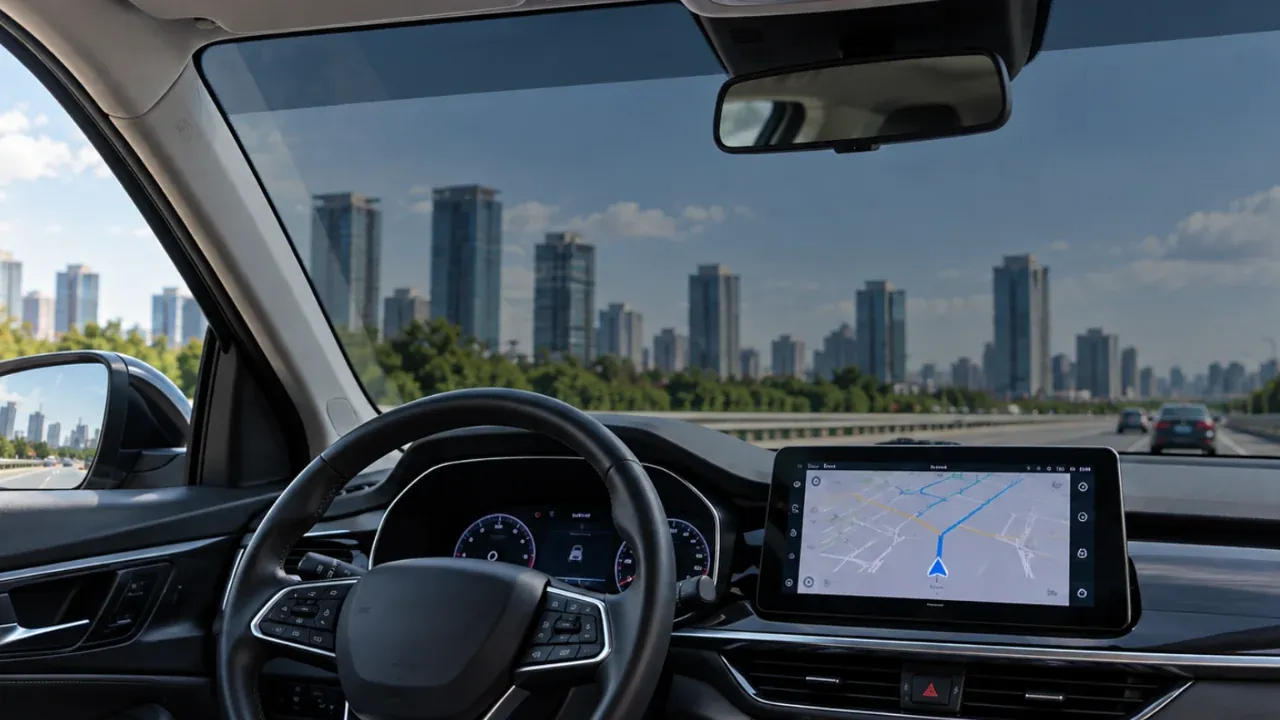
Does Automotive Window Film Affect GPS, Mobile Signals or Keyless Entry?
Does automotive window film affect GPS, mobile signals or keyless entry? Learn how film construction can influence vehicle connectivity and signals. Explore now.
 Global Hi-Tech FilmsArchitecture
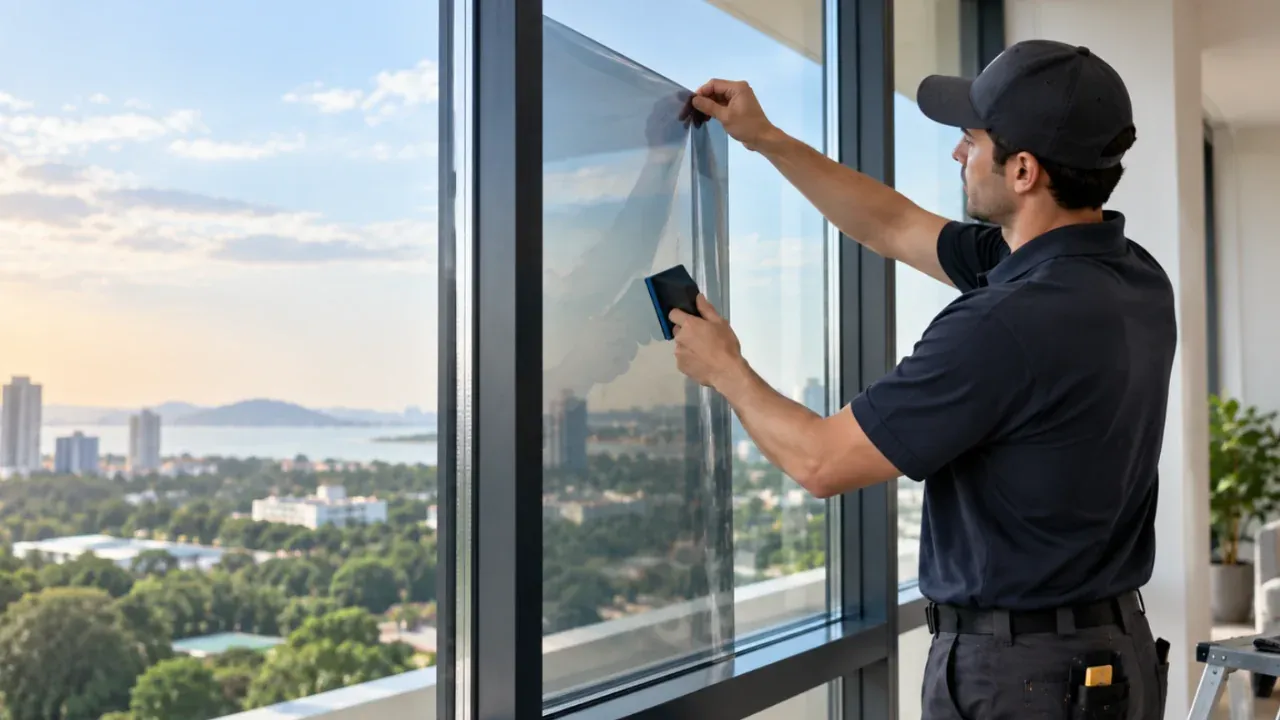
Can Window Film Be Applied to Double-Pane and Low-E Glass?
Can window film be used on double-pane and Low-E glass? Learn about compatibility, glass types, thermal stress and key installation factors. Explore now.
 Global Hi-Tech FilmsWindow Films
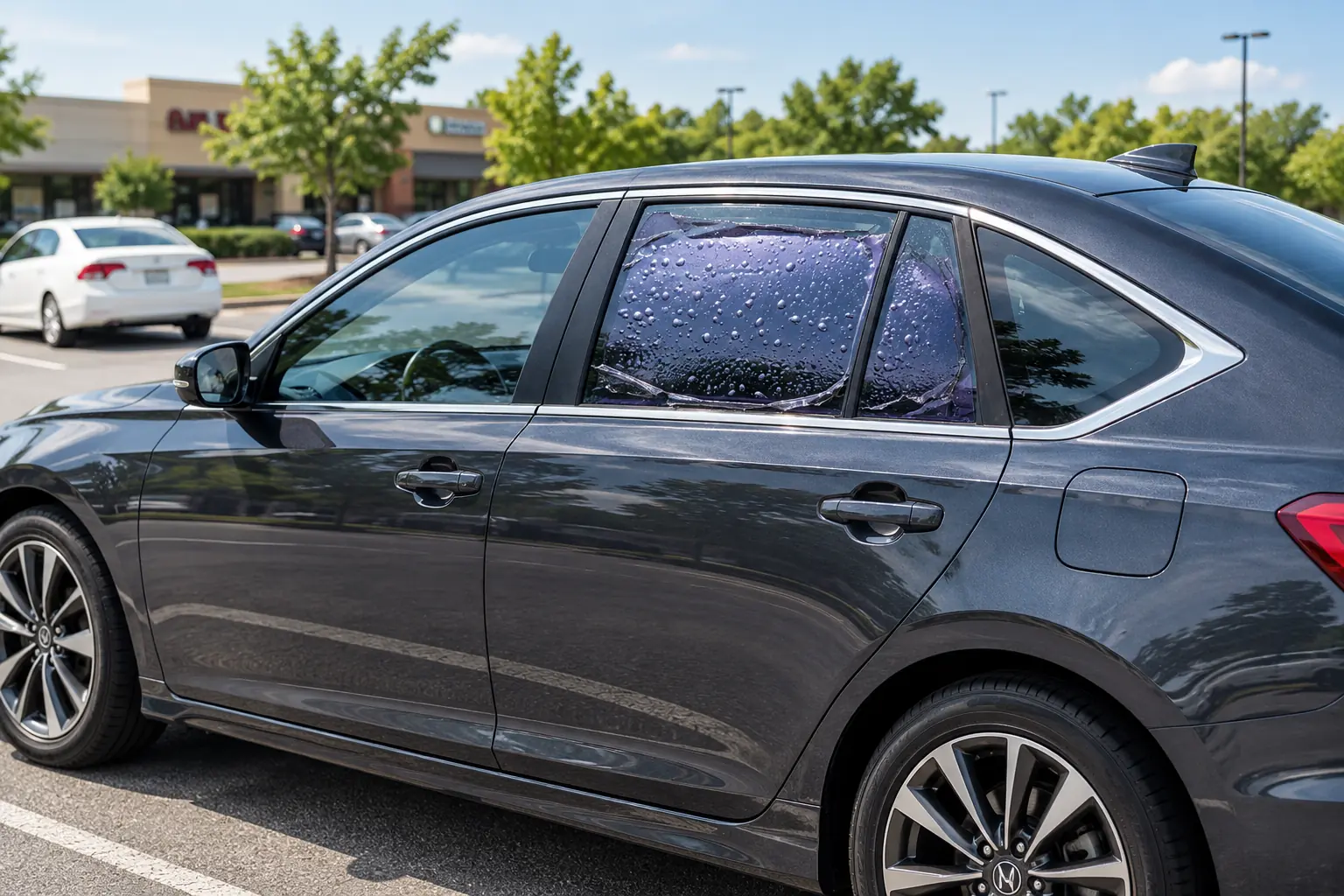
Why Does Automotive Window Film Bubble, Peel or Change Color?
Discover why automotive window film bubbles, peels or changes color, the common causes of film failure, and how quality installation helps prevent damage.