

Garage Parking vs Outdoor Parking: Which Is Better for Your Car?
Compare garage parking vs outdoor parking, learn the pros and cons of each, and discover expert tips to protect your car's paint, interior, and resale value.
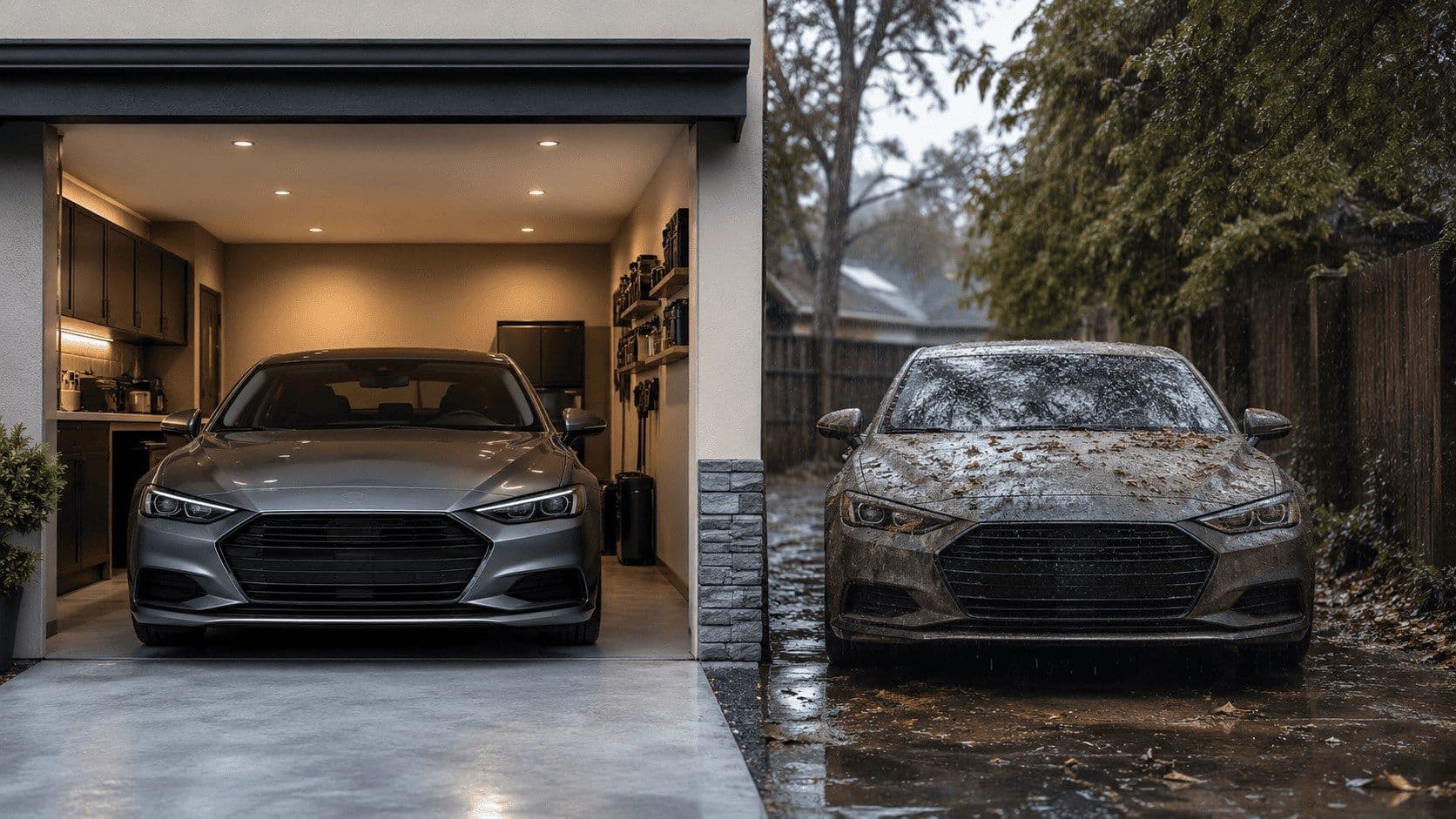
Deciding where to park your vehicle can have a significant impact on its appearance, lifespan, and resale value. While a garage provides protection from weather, UV rays, and other environmental hazards, outdoor parking leaves your car exposed to the elements and everyday wear. Understanding the pros and cons of each option can help you make an informed decision and keep your vehicle in excellent condition. This guide compares garage parking vs outdoor parking, explores the advantages and disadvantages of each, and shares practical tips to help protect your vehicle for years to come.
Is Garage Parking Better Than Outdoor Parking? Quick Answer
Yes, garage parking is generally better because it protects your vehicle from UV rays, rain, snow, hail, bird droppings, tree sap, and other environmental hazards. It also helps preserve your car's paint, interior, battery, and resale value while reducing the risk of theft and vandalism. However, if outdoor parking is your only option, using a breathable car cover, washing your vehicle regularly, and applying protective solutions like ceramic coating or Paint Protection Film (PPF) can significantly reduce long-term damage.
Garage Parking vs Outdoor Parking: Key Differences at a Glance
To help you understand the direct impact of your parking choice on vehicle health, review the comprehensive comparison table below detailing the primary differences between covered parking and open parking environments.
| Feature | Garage Parking (Indoor) | Outdoor Parking (Street or Driveway) |
|---|---|---|
| Paint Protection | Excellent protection from UV rays, bird droppings, tree sap, and weather exposure. | High risk of fading, oxidation, and chemical etching. |
| Climate Control | Shields from extreme heat and deep freezes. | Interior cabin can reach destructive temperatures. |
| Security | Lowers risk of theft, vandalism, and dents. | High vulnerability to crime and accidental dings. |
| Battery Life | Stabilized temperatures preserve fluid chemistry. | Extreme temperatures shorten lifespan and performance. |
| Convenience | Requires opening doors or tight maneuvering. | Offers easy access and everyday convenience. |
Expert Tip: On hot days, the interior of a parked vehicle can exceed 65°C (149°F) within a few hours, accelerating wear on dashboards, leather seats, plastics, and electronic components.
Benefits of Garage Parking for Your Car
Parking your vehicle inside an enclosed structure provides unparalleled advantages for both the exterior and mechanical components.
How Garage Parking Protects Your Car's Paint
The most obvious garage parking benefits for cars involve preserving the exterior finish. An enclosed garage completely blocks harmful UV rays, which are the primary cause of clear coat oxidation and paint fading. Furthermore, it eliminates the risk of acidic bird droppings, sticky tree sap, and heavy hail from damaging the body panels. By preventing sun damage and environmental contaminants, your vehicle maintains its showroom shine and higher resale value.
How Garage Parking Protects Your Car's Battery and Mechanical Components
Extreme weather exposure takes a severe toll on mechanical components. When a car is parked outside in freezing temperatures, battery fluid can freeze and expand, potentially damaging the internal cells. Conversely, intense summer heat can cause battery fluid to evaporate, shortening its overall lifespan. Engines parked in a garage do not undergo severe daily temperature swings, allowing engine oil and other vital fluids to remain in a more stable condition for smoother startups.
How Garage Parking Preserves Your Car's Interior
Sun damage is not limited to the exterior. When a vehicle sits in direct sunlight, the interior cabin can reach temperatures high enough to warp plastic, crack leather, and fade the dashboard. Garage parking keeps the interior environment stable, protecting the upholstery, steering wheel, and electronic components from heat damage.
Enhanced Security and Safety
Keeping a car behind closed doors keeps it out of sight from opportunistic thieves, minimizing the risk of break-ins and vandalism. Additionally, an enclosed structure protects the vehicle from falling tree branches, flying debris during storms, and accidental door dings from adjacent vehicles in tight parking lots.
Disadvantages of Outdoor Parking for Your Car
If you are considering outdoor parking vs garage options, you must weigh the significant risks associated with leaving your vehicle exposed to the elements.
How Outdoor Parking Damages Your Car's Paint
Constant exposure to direct sunlight causes photodegradation, breaking down the molecular bonds in the paint. This leads to a dull, chalky appearance over time. Additionally, outdoor parking exposes the vehicle to acid rain, dust accumulation, and industrial fallout, all of which can embed into the clear coat and cause permanent staining if not washed immediately.
How Outdoor Parking Affects Your Car's Interior and Mechanical Components
The greenhouse effect inside a parked car can destroy interior materials. Mechanically, tires left in the sun are prone to dry rotting, where the rubber compounds break down and develop sidewall cracks. Brake rotors are also highly susceptible to rapid surface rust when exposed to nightly moisture, dew, and road salt.
Security Risks of Outdoor Parking
Vehicles parked on the street or in open driveways are highly visible and easily accessible. This increases the likelihood of theft, vandalism, and hit-and-run incidents. Without the physical barrier of a garage, your vehicle is also vulnerable to animal damage and malicious keying.
Are There Any Disadvantages of Garage Parking?
While the advantages of indoor storage are clear, there are a few considerations to keep in mind to ensure your garage does not inadvertently cause harm.
Moisture and Rust Risks
An unventilated or poorly insulated garage can pose a hidden threat. When a wet or snow-covered car is parked in a sealed structure, the concrete floors release moisture vapor. Without adequate airflow, the trapped humidity can condense on the underbody, accelerating rust and corrosion faster than the open air would. Ensuring your garage has proper ventilation is crucial to preventing this issue.
Garage Parking Costs and Space Considerations
Building or renting a garage requires a significant financial investment and physical space. Not every homeowner has the property required to construct an enclosed structure, making outdoor parking a necessary reality for many.
Does Garage Parking Mean You Do Not Need Paint Protection?
Many vehicle owners assume that parking in a garage eliminates the need for additional paint protection. However, this is a common misconception. While garage parking protects against weather, it does NOT protect against:
- Highway stone chips from regular driving
- Shopping cart scratches in parking lots
- Accidental door dings from other vehicles
- Swirl marks from improper washing
- Road debris and gravel kicked up while driving
Even if your car sleeps in a garage every night, it still faces significant risks during daily use. This is where advanced paint protection solutions become essential for maintaining your vehicle's appearance.
What Protection Does Your Car Need Based on Where You Park?
To help you choose the right protection strategy for your specific parking situation, use the table below as a guide for matching your environment with the appropriate automotive protection solutions.
| Parking Situation | Recommended Protection |
|---|---|
| Daily outdoor parking | Paint Protection Film plus Ceramic Coating |
| Apartment complex parking | Paint Protection Film on high-impact areas |
| Garage parking only | Regular washing and wax every three months |
| Coastal city parking | Ceramic coating plus frequent washing |
| Parked under trees | Paint Protection Film to resist sap and droppings |
| Frequent highway driving | Full front-end Paint Protection Film coverage |
Expert Tip: UV radiation is responsible for the majority of paint degradation in outdoor-parked vehicles, making UV-blocking protection essential for any car that spends significant time outside.
How to Protect Your Car When Parked Outside
If a garage is not an option, you must take proactive steps to mitigate the outdoor parking disadvantages. Learning how to protect car paint when parked outside is essential for maintaining your vehicle's appearance and value.
Use a High-Quality Breathable Car Cover
If you plan to leave your vehicle outside for extended periods, a high-quality car cover is your best defense. Ensure the cover is made of breathable microfiber material. Avoid pure plastic or PVC covers, as they trap intense heat and moisture, which can melt onto the paintwork and cause severe damage.
Use Sunshades to Protect Your Car's Interior
To protect the interior from sun damage, always place a reflective sunshade in the windshield when parked. This simple step significantly lowers the interior cabin temperature and prevents the dashboard and seats from cracking and fading.
Wash Your Car Regularly
Outdoor parking tips for cars always include frequent washing. Remove bird droppings, tree sap, and bug splatter immediately, as these acidic substances will etch into the clear coat within hours under the hot sun. Wash the vehicle every two weeks using a pH-neutral shampoo to remove dust accumulation and industrial fallout.
Apply Advanced Exterior Protection
For long-term protection against stone chips, road debris, UV exposure, and minor scratches, Paint Protection Film (PPF) is one of the most effective solutions available. High-quality films are designed to resist yellowing, self-heal light surface scratches, and preserve your vehicle's original paint finish for years. Global Hi-Tech Films offers premium automotive Paint Protection Films engineered for long-lasting performance and reliable paint protection.
Additionally, ceramic coatings provide excellent chemical resistance and make the vehicle easier to clean by creating a hydrophobic surface that repels water and contaminants.
Final Verdict: Garage Parking vs Outdoor Parking
Choosing between garage parking vs outdoor parking is a critical decision for any vehicle owner. While outdoor parking offers convenience and requires no additional infrastructure, the outdoor parking disadvantages are substantial, ranging from paint fading to mechanical strain. Garage parking benefits your vehicle by providing a stable, secure environment that preserves its resale value and aesthetic appeal. However, if you must park outside, implementing proper car parking tips, utilizing protective covers, and investing in advanced exterior protection like Paint Protection Film will ensure your vehicle remains in pristine condition for years to come.
FAQs About Garage Parking vs Outdoor Parking
- Is garage parking better than outdoor parking? Yes, garage parking is generally better because it protects your vehicle from UV rays, rain, bird droppings, tree sap, dust, and extreme temperatures. It also reduces the risk of theft, vandalism, and accidental dents, helping preserve your car's appearance and resale value.
- Can outdoor parking damage car paint? Yes. Prolonged exposure to sunlight, UV rays, acid rain, bird droppings, tree sap, and airborne pollutants can cause paint fading, oxidation, and clear coat damage. Regular cleaning and protective coatings can help reduce these effects.
- How can I protect my car if I don't have a garage? If garage parking isn't available, park in shaded areas whenever possible, use a breathable car cover, wash your car regularly, remove bird droppings and tree sap promptly, and consider applying ceramic coating or Paint Protection Film (PPF) for added paint protection.
- Does parking in the sun damage your car? Yes. Continuous exposure to direct sunlight can fade paint, oxidize the clear coat, crack dashboard plastics, damage leather interiors, and increase cabin temperatures significantly. Long-term sun exposure may also reduce the lifespan of some exterior and interior components.
- Is covered parking enough to protect my car? Covered parking provides excellent protection from direct sunlight, rain, and falling debris, but it doesn't protect against road debris, stone chips, minor scratches, or damage that occurs while driving. Additional paint protection measures may still be beneficial.
- Does Paint Protection Film (PPF) help if my car is parked outdoors? Yes. Paint Protection Film (PPF) helps protect the paint from UV exposure, minor scratches, stone chips, bird droppings, tree sap, and other environmental contaminants. It's especially useful for vehicles that are regularly parked outdoors.
- Is a car cover better than parking in a garage? A quality car cover offers good protection when a garage isn't available, but it cannot fully replace the security and environmental protection of an enclosed garage. Choosing a breathable cover and keeping both the cover and vehicle clean helps prevent scratches.
- How often should I wash a car that is parked outside? Cars parked outdoors should ideally be washed every one to two weeks. If exposed to bird droppings, tree sap, coastal air, or heavy pollution, clean those contaminants as soon as possible to prevent permanent paint damage.
- Does garage parking increase a car's resale value? Indirectly, yes. Garage parking helps maintain the vehicle's exterior, interior, and mechanical condition, which can improve its appearance and overall resale value. Buyers often pay more for cars that show fewer signs of environmental wear.
- What is the best way to protect a car parked outdoors? The best approach combines multiple protective measures, including parking in the shade when possible, using a breathable car cover, washing the vehicle regularly, applying ceramic coating, and installing Paint Protection Film (PPF) for long-term protection against scratches, UV rays, and road debris.
Read also
 Global Hi-Tech FilmsWindow Films
Does Automotive Window Film Affect GPS, Mobile Signals or Keyless Entry?
Does automotive window film affect GPS, mobile signals or keyless entry? Learn how film construction can influence vehicle connectivity and signals. Explore now.
 Global Hi-Tech FilmsArchitecture
Can Window Film Be Applied to Double-Pane and Low-E Glass?
Can window film be used on double-pane and Low-E glass? Learn about compatibility, glass types, thermal stress and key installation factors. Explore now.
 Global Hi-Tech FilmsWindow Films
Why Does Automotive Window Film Bubble, Peel or Change Color?
Discover why automotive window film bubbles, peels or changes color, the common causes of film failure, and how quality installation helps prevent damage.