

Headlight & Taillight Protection Film: Safety, Visibility & Optical Performance
Learn how headlight and taillight protection film improves safety, visibility, and optical performance while preventing scratches, yellowing, and damage.
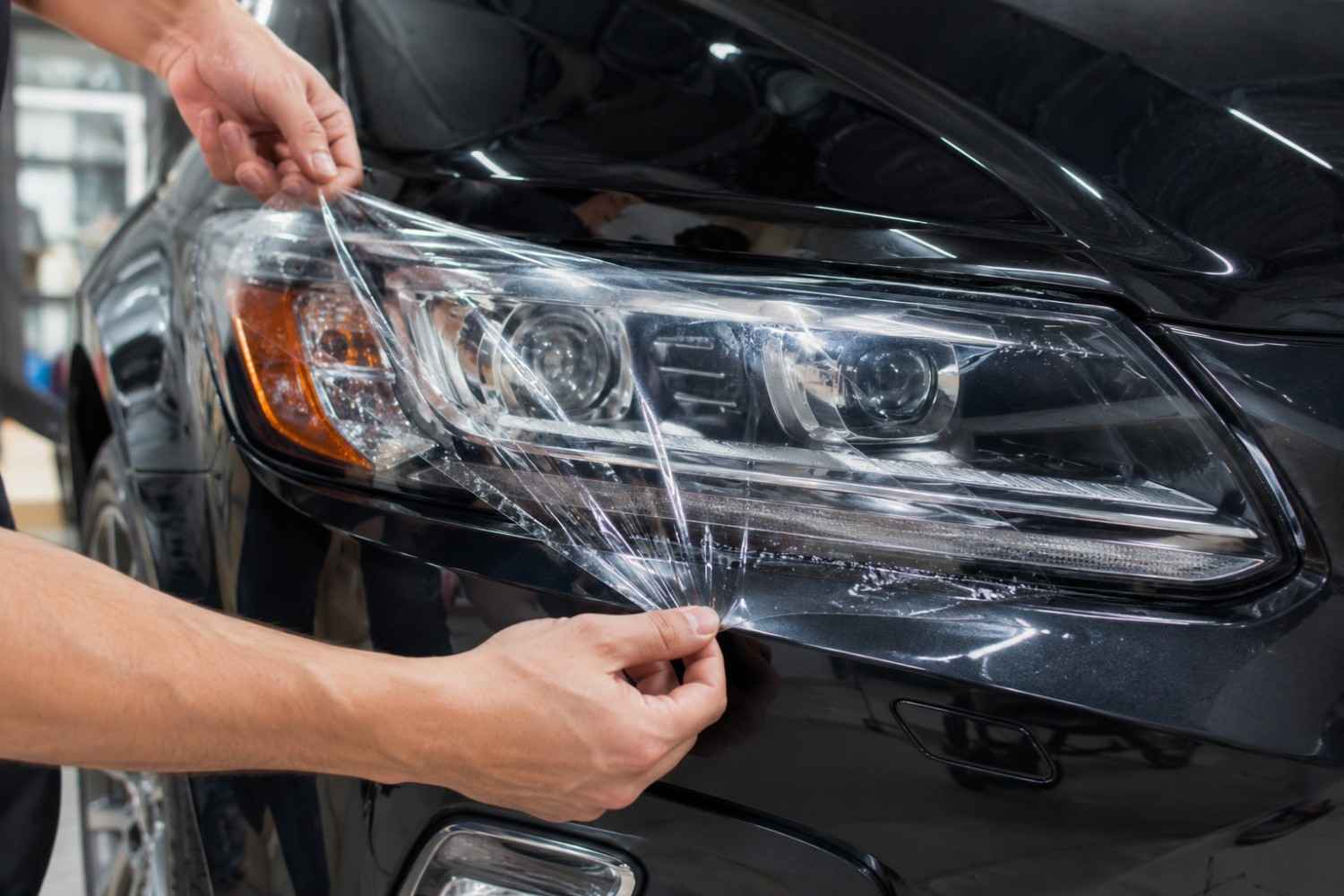
Modern vehicles use advanced lighting systems that are expensive to repair or replace, making headlight and taillight protection film a smart upgrade for both safety and long-term protection. Modern LED and projector headlights can easily get damaged by stone chips, scratches, UV rays, and oxidation, especially since polycarbonate lenses are constantly exposed to the road. Premium headlight protection film helps maintain beam clarity, visibility, and overall optical performance without affecting light output.
Here is a closer look at how these protective films improve safety, durability, and driving visibility while helping vehicle owners choose the right film technology.
What Is a Headlight & Taillight Protection Film? (Quick Answer)
Headlight and taillight protection film is a transparent TPU layer applied to vehicle lights to protect against scratches, stone chips, UV damage, and yellowing. It maintains optical clarity, preserves beam performance, and improves visibility. Clear films offer the best night visibility, while darker smoked films may slightly reduce brightness.
Why Headlights & Taillights Need Protection (Scratches, UV & Road Damage)
Modern vehicles use polycarbonate headlight protection instead of traditional glass for headlights and taillights. These lenses are lighter and more durable, although they can get damaged over time from regular road exposure.
Headlights and taillights constantly face dust, stones, UV rays, rain, heat, and road debris. Many vehicle owners use hydrophobic headlight films and other protective films to help keep the lens surface cleaner and better protected over time.
Some common issues include:
- Yellowing over time
- Foggy or dull headlight surfaces
- Small scratches from dust and road debris
- Reduced light clarity
Old or damaged headlights can make it harder to see properly at night.
Modern LED and projector headlights are expensive to replace, which is why many vehicle owners use protective films to help preserve lens clarity and reduce surface damage.
What Is Headlight & Taillight Protection Film and How Does It Work?
Headlight and taillight tint films are transparent layers applied over headlight and taillight lenses to help protect them from everyday damage. Most films are made from TPU or PET materials and are designed to keep the surface protected without affecting the clarity of the lights.
Modern protection films help to:
- Absorb small stone and debris impacts
- Reduce scratches and surface marks
- Block harmful UV rays
- Prevent oxidation and yellowing
- Maintain lens clarity
Premium taillight protection film products are designed to protect the lens without affecting light performance. This makes them different from regular decorative tint films.
Clear optical films are made to keep the light output clean and clear. Dark cosmetic tint films are mostly used for appearance and can affect visibility if the shade is too dark.
TPU vs PET Headlight & Taillight Protection Film: Key Differences Explained
Material selection plays a major role in long-term durability, optical clarity, and impact resistance. TPU and PET remain the two most common film types used in automotive lighting protection.
TPU-based films dominate the premium segment due to their flexibility and self-healing capabilities. PET films offer decent scratch resistance, although they lack the elasticity required for modern curved lighting systems.
The following comparison highlights the key differences between the two materials.
| Feature | TPU Film | PET Film |
|---|---|---|
| Flexibility | High | Moderate |
| Impact Resistance | Excellent | Moderate |
| Self-Healing | Yes | Rare |
| Optical Clarity | Premium | Good |
| Curved Surface Compatibility | Excellent | Limited |
| UV Resistance | Excellent | Moderate |
| Lifespan | Longer | Shorter |
Many modern headlights have curved and detailed shapes, so flexible TPU films fit them more easily. TPU headlight protection film is widely used because it offers a clear finish and durable protection.
PET films still help protect the surface, although they are usually less flexible and may not last as long as TPU films.
Key Safety Benefits of Headlight & Taillight Protection Film for Night Driving
Headlights and taillights go through constant exposure to stones, dust, rain, and road debris. Protective films help reduce surface damage while keeping the lights clearer for longer, especially during night driving and poor weather.
Some important headlight PPF benefits include:
- Reduces minor stone chip damage
- Helps prevent surface scratches
- Slows fading and lens wear
- Keeps the light output more consistent
- Adds extra surface protection
- Reduces glare from damaged lenses
Small scratches and marks can affect how the light spreads on the road. Proper headlight protection film safety depends on keeping the lens surface clear and smooth.
Clearer headlights can also improve visibility of road signs, lane markings, pedestrians, and surrounding vehicles at night.
Optical Clarity & Beam Performance: Does Headlight Film Affect Visibility?
Optical clarity plays an important role when choosing a protective film. Some low-quality films may look clear during the day, although they can still affect light output and visibility at night.
Optical clarity headlight film uses clear TPU material and transparent adhesive to help maintain proper light output while protecting the lens surface.
Low-quality films can scatter light and distort the beam, which may reduce nighttime visibility and create glare for other drivers.
A few important factors help determine film quality:
- Consistent transparency
- Low haze levels
- Clear adhesive quality
- Optical-grade TPU material
- Stable light transmission
Good-quality, clear headlight protection film allows most of the light to pass through while helping the headlights stay bright and properly focused.
Proper headlight beam clarity becomes even more important in projector LED headlights, where a clean and focused beam helps improve visibility and control glare on the road.
Clear vs Smoked Headlight Protection Film: Which Is Better?
Protective films are available in clear and smoked options. The better choice usually depends on whether visibility or styling matters more to the vehicle owner.
Clear films are mainly used to maintain headlight film visibility, light clarity, and a factory-like appearance. Smoked films give the lights a darker look, although very dark shades can reduce light output.
Here is a simple comparison between the two options.
| Feature | Clear Film | Smoked Film |
|---|---|---|
| Visibility | Maximum | Reduced |
| Night Driving Safety | Best | Depends on darkness |
| Legal Compliance | Better | Riskier |
| Appearance | OEM-like | Aggressive styling |
| Light Transmission | High | Lower |
When comparing clear vs smoked headlight film, mild smoked finishes may still maintain acceptable visibility, while very dark blackout-style films can reduce light output and create safety or legal concerns.
Good appearance should not reduce the brightness or visibility of the lights.
How Headlight Protection Film Prevents UV Damage & Yellowing
Too much sunlight and heat can make headlights turn dull or yellow over time. UV exposure slowly damages the outer surface of the lens.
As the lens surface wears down, a few common problems start to appear:
- Yellowing on the lens surface
- Oxidation and dullness
- Hazy or cloudy appearance
- Reduced brightness
- More scattered glare
Premium headlight UV protection film products are designed to block harmful UV rays and help keep the lenses clearer for longer.
Advanced films also support headlight yellowing prevention by reducing direct UV exposure on the lens surface. This helps maintain better clarity and lighting performance over time.
Long-term UV protection becomes even more useful in areas with strong sunlight and high temperatures.
Headlight Film Visibility, VLT & Legal Rules Explained
When choosing a headlight PPF, maintaining clear visibility is important. The headlights should still produce enough light for safe driving at night and in low-light conditions.
Visible Light Transmission, commonly called VLT, measures the amount of light passing through the film. Higher VLT percentages indicate better transparency and stronger visibility performance.
Premium clear films maintain high VLT in headlight film ratings while preserving factory beam intensity. Excessively dark smoked films significantly reduce light transmission and may create visibility concerns.
Lighting laws can vary across different states and countries. Some places limit the use of dark smoked headlight films since they can reduce visibility at night and affect road safety.
Vehicle owners should check:
- Rules related to headlight brightness
- Restrictions on dark-tinted films
- How clearly the headlights remain visible
- Light performance at night
Clear films are commonly chosen as they keep the headlights looking natural, maintain better visibility, and support better headlight protection film legality compliance.
Expert Tips: Choosing the Right Headlight & Taillight Protection Film
Choosing the right protection film comes down to visibility, durability, protection, and safety.
A few things usually work best for most vehicles:
- TPU optical-grade films give strong overall protection
- Clear films maintain better visibility
- Mildly smoked films should still allow proper light output
- UV-resistant films help protect lenses from fading
- Professional installation gives a cleaner and longer-lasting finish
For most drivers, clear TPU headlight protection film offers a good balance of clarity, visibility, and durability. Many vehicle owners choose films from Global Hi-Tech Films for long-lasting surface protection and a clear finish.
Self-healing headlight & taillight films can also help reduce light scratches and minor swirl marks over time.
Installation quality matters too. Dust, uneven fitting, or poor sticking can affect the final finish and visibility.
Conclusion: Is Headlight & Taillight Protection Film Worth It?
Vehicle lights are costly to repair or replace, and keeping them protected also helps maintain clear visibility while driving.
Headlight and taillight protection film helps protect lenses from scratches, road damage, fading, and yellowing. TPU films are widely preferred because they offer good flexibility, impact protection, and long-term clarity.
Clear optical-grade films remain the safer choice as they maintain better visibility and preserve the original light output.
Choosing high-quality protective film and proper installation helps keep vehicle lights clear, clean, and protected for longer.
FAQ on Headlight & Taillight Protection Film
- Does headlight protection film reduce brightness or visibility? Clear films usually do not affect visibility much, but darker smoked films can slightly reduce brightness.
- What is the difference between clear and smoked headlight film? Clear film keeps the original look and visibility, while smoked film gives a darker appearance.
- Can headlight protection film prevent yellowing and oxidation? Yes, good-quality films can help reduce yellowing, fading, and surface damage caused by sunlight.
- Does headlight PPF affect beam pattern or light scattering? Properly installed, clear PPF generally does not affect the original beam pattern.
- Do smoked headlight films affect legal compliance? In some areas, very dark smoked films may not meet legal visibility requirements.
- How long does headlight protection film last? Most quality films can last several years, depending on weather, driving conditions, and maintenance.
- Is TPU better than PET for headlight and taillight protection films? TPU is usually preferred because it is more flexible, durable, and resistant to small impacts.
- How much light transmission do clear headlight protection films retain? Most clear optical-grade films retain very high light transmission and maintain good visibility.
Read also
 Global Hi-Tech FilmsWindow Films
Does Automotive Window Film Affect GPS, Mobile Signals or Keyless Entry?
Does automotive window film affect GPS, mobile signals or keyless entry? Learn how film construction can influence vehicle connectivity and signals. Explore now.
 Global Hi-Tech FilmsArchitecture
Can Window Film Be Applied to Double-Pane and Low-E Glass?
Can window film be used on double-pane and Low-E glass? Learn about compatibility, glass types, thermal stress and key installation factors. Explore now.
 Global Hi-Tech FilmsWindow Films
Why Does Automotive Window Film Bubble, Peel or Change Color?
Discover why automotive window film bubbles, peels or changes color, the common causes of film failure, and how quality installation helps prevent damage.