

High Performance Window Films: Heat, UV & Glare Compared
Compare high performance window films for heat, UV, and glare control. Find the best option to boost comfort, improve efficiency, and protect interiors effectively.

Glass brings in natural light, though it also lets heat, glare, and UV rays enter your space. In warmer climates, this can make rooms uncomfortable, increase cooling bills, and gradually fade furniture and furnishings. High-performance window films help reduce these effects by limiting heat, blocking UV rays, and cutting glare while still allowing natural light indoors.
The results, however, depend on the technology used. A high-performance window film built for maximum heat rejection performs very differently from one designed mainly for glare control or UV protection. This is why demand continues to grow for window film in the Middle East and South Africa, as performance matters throughout the year there.
The sections below compare the leading window film technologies and explain what each one is designed to do best.
Quick Answer: What Are High Performance Window Films?
High-performance window films are designed to reduce heat, block harmful UV rays, and minimize glare for greater indoor comfort and energy efficiency. Premium technologies such as nano ceramic window film and sputtered window film deliver outstanding performance. Key evaluation metrics include TSER vs IR rejection, UV rejection, and VLT. Heat control is often the priority in the Middle East, while South Africa frequently requires a combination of solar control and safety performance.
What Are High Performance Window Films?
Sunlight can make indoor spaces hotter, create glare, and cause furniture and interiors to fade over time. High-performance window films are applied to glass to reduce these effects while keeping natural light and outside views. Premium films are made with advanced materials that offer better performance than regular window films.
These films are widely installed in:
- Residential window film applications for homes and apartments
- Commercial window film installations for offices, retail spaces, and public buildings
- Automotive glazing systems requiring advanced solar protection
Several technologies dominate today's premium market:
- Nano ceramic window film
- Sputtered window film
- Metallized films
- Carbon films
- Hybrid films
While standard films mainly offer shade and privacy, premium options provide better window film heat reduction, higher window film UV rejection, greater durability, and improved clarity.
Each type offers different benefits, so the right option depends on your climate, where it will be used, and what you expect it to deliver.
Heat Rejection, UV Protection & Glare Reduction: Why They Matter
Although sunlight appears uniform, it contains different forms of energy that affect indoor environments in unique ways. Understanding these components helps explain why one window film may outperform another in specific situations.
The table below shows how different parts of the sun's energy affect indoor comfort.
| Performance Area | Solar Spectrum | Primary Comfort |
|---|---|---|
| Heat Rejection | Infrared Energy | Cooler interiors |
| UV Protection | UV Radiation | Fade prevention and skin protection |
| Glare Reduction | Visible Light | Better visibility and visual comfort |
Infrared radiation contributes heavily to solar heat gain, increasing indoor temperatures and placing additional strain on cooling systems.
Ultraviolet radiation causes fading of furniture, flooring, artwork, fabrics, and other interior finishes while also increasing long-term skin exposure risks.
Visible light creates glare that affects productivity, comfort, screen visibility, and driving safety.
Reducing one type of solar energy does not always reduce the others. A film that cuts glare well may offer only moderate heat rejection, while one designed to block heat may let in more natural light. That is why it is important to look at the overall performance.
Key Window Film Performance Metrics: TSER, IR Rejection, UV & VLT
A proper window film performance comparison goes beyond marketing claims. Understanding a few key performance metrics helps you see how a film is likely to perform in real-world conditions.
The following metrics provide a clearer picture of overall performance.
| Metric | Measures | Why It Matters |
|---|---|---|
| TSER | Total solar energy blocked | Overall heat performance |
| IRER | Infrared heat rejection | Thermal comfort |
| UV Rejection | UV rays blocked | Fade and skin protection |
| VLT | Visible light transmitted | Brightness and glare balance |
TSER (Total Solar Energy Rejection) shows how much of the sun's total energy is blocked from passing through the glass.
IRER (Infrared Energy Rejection) measures how well a film blocks infrared heat.
UV Rejection shows the percentage of harmful ultraviolet rays blocked by the film.
VLT (Visible Light Transmission) indicates how much natural light passes through the glass, influencing brightness and window film glare control.
TSER is often the best measure of real-world heat reduction because it considers the total solar energy blocked, not just one part of the solar spectrum.
Looking at all these metrics together gives a better picture of a film's performance than judging it only by its darkness or IRER rating.
Types of High Performance Window Films Compared
Modern premium window film technology includes several manufacturing approaches, each delivering different performance characteristics.
The comparison below summarizes the strengths of today's leading technologies.
| Technology | Heat Rejection | UV Protection | Glare Control | Longevity |
|---|---|---|---|---|
| Dyed | Moderate | Good | Good | Lower |
| Carbon | Good | Excellent | Good | High |
| Metallized | Very Good | Excellent | Good | High |
| Nano-Ceramic | Excellent | Excellent | Excellent | High |
| Sputtered | Superior | Excellent | Excellent | Very High |
| Hybrid | Good | Good | Good | Moderate |
Dyed films are a budget-friendly option but usually offer lower performance over time.
Carbon films are more durable and provide strong UV protection with a uniform appearance.
Metallized films reflect a large amount of solar heat, making them a good choice for reducing indoor temperatures.
Nano ceramic window film uses advanced ceramic particles to achieve exceptional heat rejection while maintaining signal compatibility.
Sputtered window film utilizes multiple microscopic metal layers deposited through precision manufacturing to achieve superior thermal performance.
Hybrid films combine different technologies to balance cost and performance.
Selecting the right technology depends on the installation environment, climate, and desired performance objectives.
Nano Ceramic vs Sputtered Window Film: Which Performs Better?
Nano-ceramic and sputtered films are both premium options, but they are built for different needs. Knowing how they differ can help you choose the one that suits your space.
The table below compares their key features.
| Feature | Nano-Ceramic | Sputtered |
|---|---|---|
| Heat Rejection | Excellent | Superior |
| UV Protection | Excellent | Excellent |
| Electronic Compatibility | Excellent | Moderate |
| Durability | High | Very High |
| Appearance | Neutral | Metallic |
Nano ceramic window film provides excellent heat rejection while keeping the glass clear. Since it is non-metallic, it does not interfere with GPS, mobile networks, or wireless signals.
Sputtered window film blocks more solar heat, making it a good choice for very hot climates where heat control is a priority. Its multi-layer metallic construction also makes it highly durable.
Electronic compatibility should remain a consideration when selecting sputtered technologies, particularly for vehicles equipped with advanced communication systems.
Each technology performs exceptionally well when matched to the appropriate application.
Why High Performance Window Films Matter in the Middle East
In many parts of the Middle East, temperatures regularly climb above 50°C. Large glass windows bring in plenty of sunlight, but they also increase indoor heat and put extra pressure on cooling systems.
The Middle East is one of the world's most demanding solar control markets, where heat rejection often becomes the primary performance requirement.
This environment has increased demand for:
- Heat rejection window film
- High TSER products
- Superior IR rejection
- Nano ceramic window film
- Sputtered window film
- Advanced solar control window film
The best window film for hot climates offers high TSER while keeping the glass clear, helping reduce heat without blocking natural daylight.
Why High Performance Window Films Matter in South Africa
Strong sunlight, high UV exposure, and rising energy costs have increased the demand for advanced window films across South Africa.
Many property owners also look for films that offer both solar control and added security, making multifunctional solutions a popular choice.
Growing demand includes:
- Window film for South Africa
- UV protection with window film
- Glare reduction window film
- Security and solar combination films
- Commercial energy-efficient window films
Homes become more comfortable, while commercial buildings can lower HVAC use and create a better indoor environment.
Residential vs Commercial Window Film: Key Requirements Compared
There is no one-size-fits-all solution. The choice of window film depends on whether it is being installed in a home or a commercial building.
Residential applications typically focus on:
- Comfort
- Energy savings
- Privacy
- UV protection
- Interior preservation
Commercial installations generally prioritize:
- Employee comfort
- Productivity
- Reduced glare
- HVAC efficiency
- Sustainability goals
- Lower operating costs
Choosing the right architectural window film starts with understanding the needs of the building and its occupants.
How to Choose the Best High Performance Window Film
Several factors should guide product selection to ensure long-term satisfaction and measurable performance.
Consider the following:
- Local climate conditions
- Heat versus glare priorities
- Building or vehicle application
- Required performance metrics
- Technology type
- Manufacturer warranty
- Professional installation quality
Look at TSER vs IR rejection, along with UV rejection and VLT, to get a clearer picture of a film's overall performance.
Professional installation also helps improve durability, appearance, and long-term performance.
Expert Recommendation: Best Window Film for Heat, UV & Glare Control
Do not judge a window film by its appearance alone. Look at how it performs.
While comparing options, check TSER instead of focusing only on how dark the film looks.
For most homes and commercial buildings, nano ceramic window film delivers reliable heat rejection, UV protection, glare control, signal compatibility, and clear views.
Sputtered window film is a strong choice for areas with extreme heat where higher heat rejection is the priority.
UV protection should exceed 99%, while professional installation ensures the film performs exactly as designed throughout its service life.
Brands such as Global Hi-Tech Films have expanded nano ceramic film options that deliver effective heat rejection, UV protection, glare reduction, and clear visibility for homes and commercial buildings.
Conclusion: Choosing the Right High Performance Window Film
High-performance window films provide far more than tinted glass. They address three distinct challenges—heat, UV exposure, and glare—through advanced engineering and specialized technologies. Understanding the differences between these performance areas allows property owners to make informed investment decisions.
Climate should always guide your choice. Window film for the Middle East needs to perform in extreme heat, while window film for the South Africa market often requires a balance of heat control, UV protection, and visibility. Compare nano ceramic window film and sputtered window film using TSER, IR rejection, UV rejection, and VLT instead of judging the film by its shade. A lighter film can sometimes outperform a darker one.
FAQs on High Performance Window Films
- What are high-performance window films? High-performance window films help reduce heat, block UV rays, minimise glare, and improve indoor comfort without replacing existing glass.
- What is the difference between heat rejection, UV protection, and glare reduction? Heat rejection keeps interiors cooler, UV protection helps prevent fading and skin damage, while glare reduction makes screens and spaces more comfortable.
- Which is more important: TSER, IR rejection, or VLT? Each serves a different purpose, but TSER gives the best overall picture of a film's heat-blocking performance.
- Do high-performance window films reduce energy costs? Yes. By reducing heat entering the building, they can lower air conditioning use and improve energy efficiency.
- Can window films block 99% of harmful UV rays? Many high-quality window films can block up to 99% of harmful UV rays while still allowing natural light inside.
- Are nano-ceramic films better than sputtered films? It depends on your needs. Nano-ceramic films offer balanced performance, while sputtered films are often preferred for maximum heat rejection.
- What is the best window film for Middle East climates? Films with high TSER and strong heat rejection are generally the best choice for the region's extreme temperatures.
- Why are high-performance window films popular in South Africa? They help reduce heat, protect interiors from UV damage, and improve comfort in sunny conditions.
- Do window films reduce glare without making rooms dark? Yes. Many modern films reduce glare while maintaining good natural light and clear visibility.
- How do I choose the right high-performance window film for my property? Consider your climate, building type, and priorities such as heat control, UV protection, glare reduction, and visible light transmission.
Read also
 Global Hi-Tech FilmsWindow Films
Does Automotive Window Film Affect GPS, Mobile Signals or Keyless Entry?
Does automotive window film affect GPS, mobile signals or keyless entry? Learn how film construction can influence vehicle connectivity and signals. Explore now.
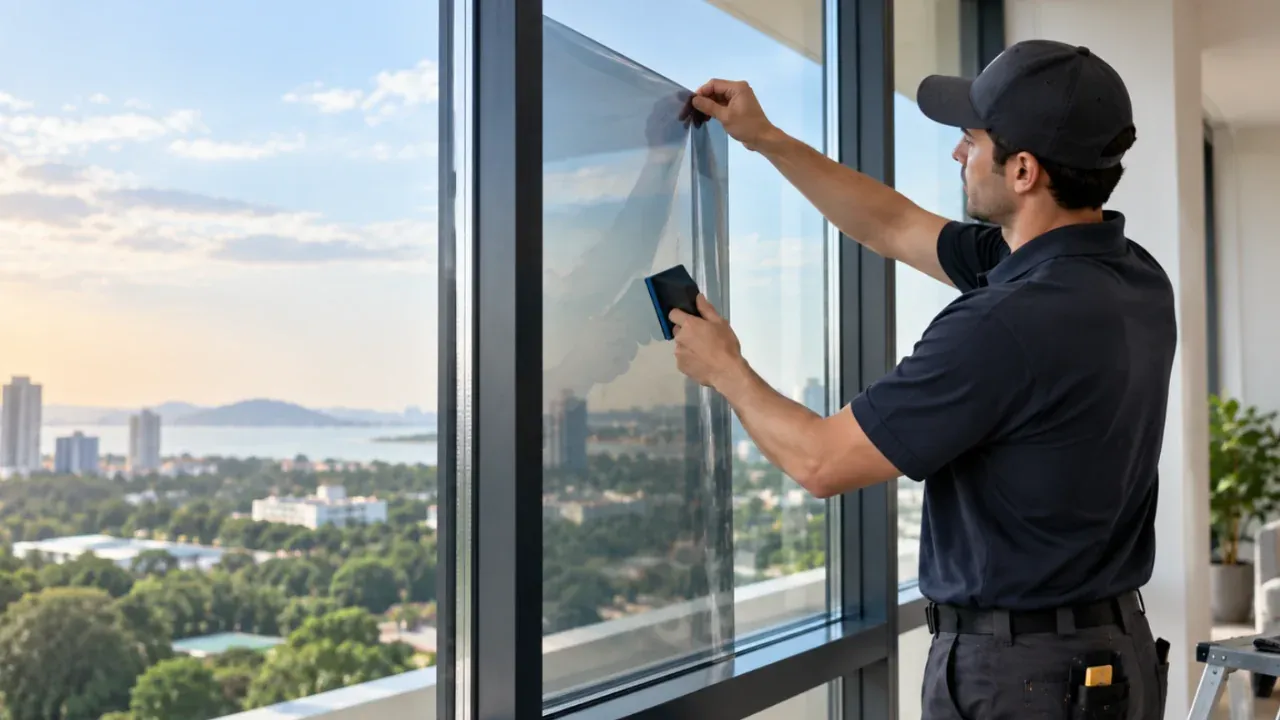 Global Hi-Tech FilmsArchitecture
Can Window Film Be Applied to Double-Pane and Low-E Glass?
Can window film be used on double-pane and Low-E glass? Learn about compatibility, glass types, thermal stress and key installation factors. Explore now.
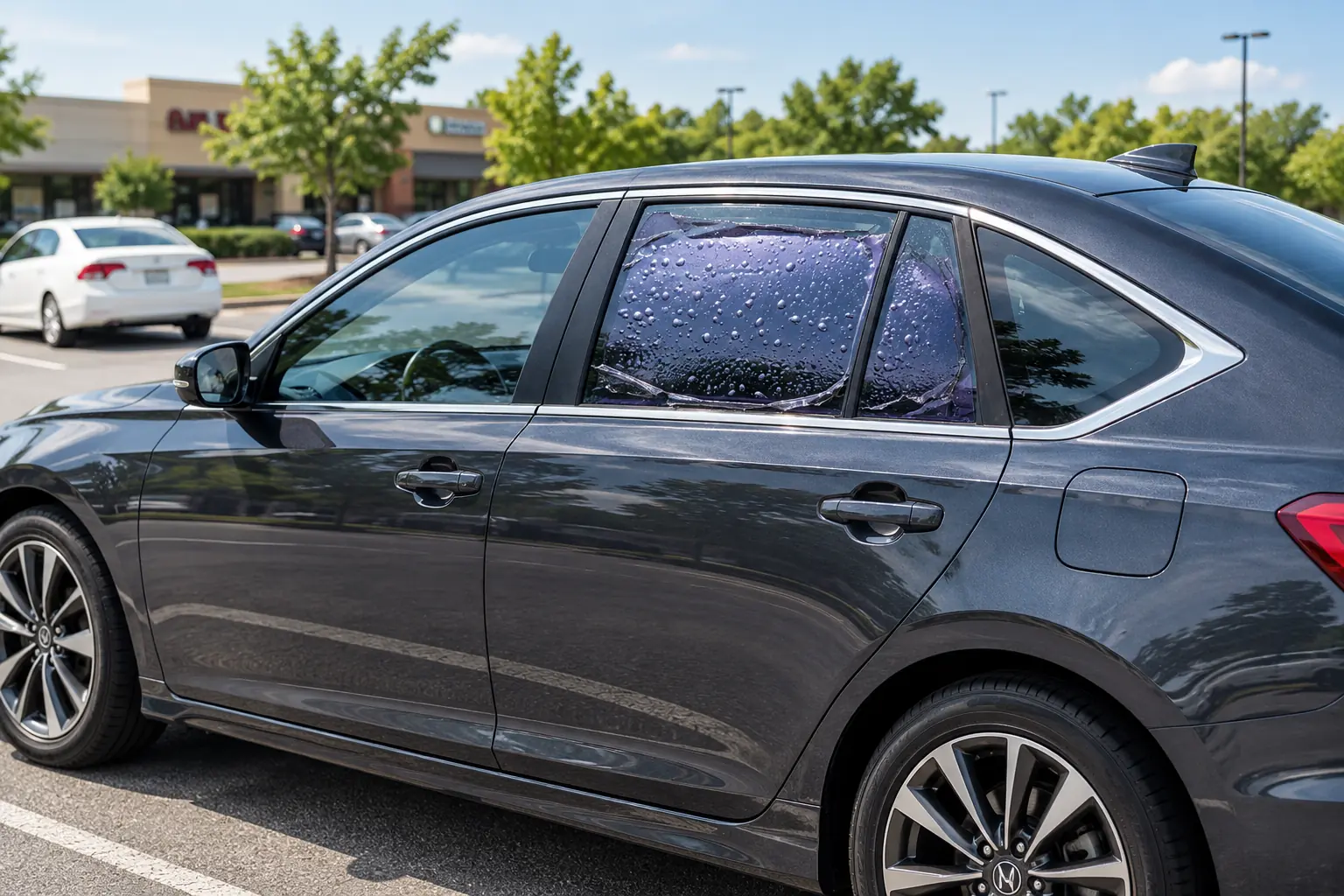 Global Hi-Tech FilmsWindow Films
Why Does Automotive Window Film Bubble, Peel or Change Color?
Discover why automotive window film bubbles, peels or changes color, the common causes of film failure, and how quality installation helps prevent damage.