

How Long Does the Window Tint Last? Lifespan by Film Type
How long does window tint last? Compare the lifespan of dyed, carbon, ceramic and other window tint films, plus factors that affect durability.
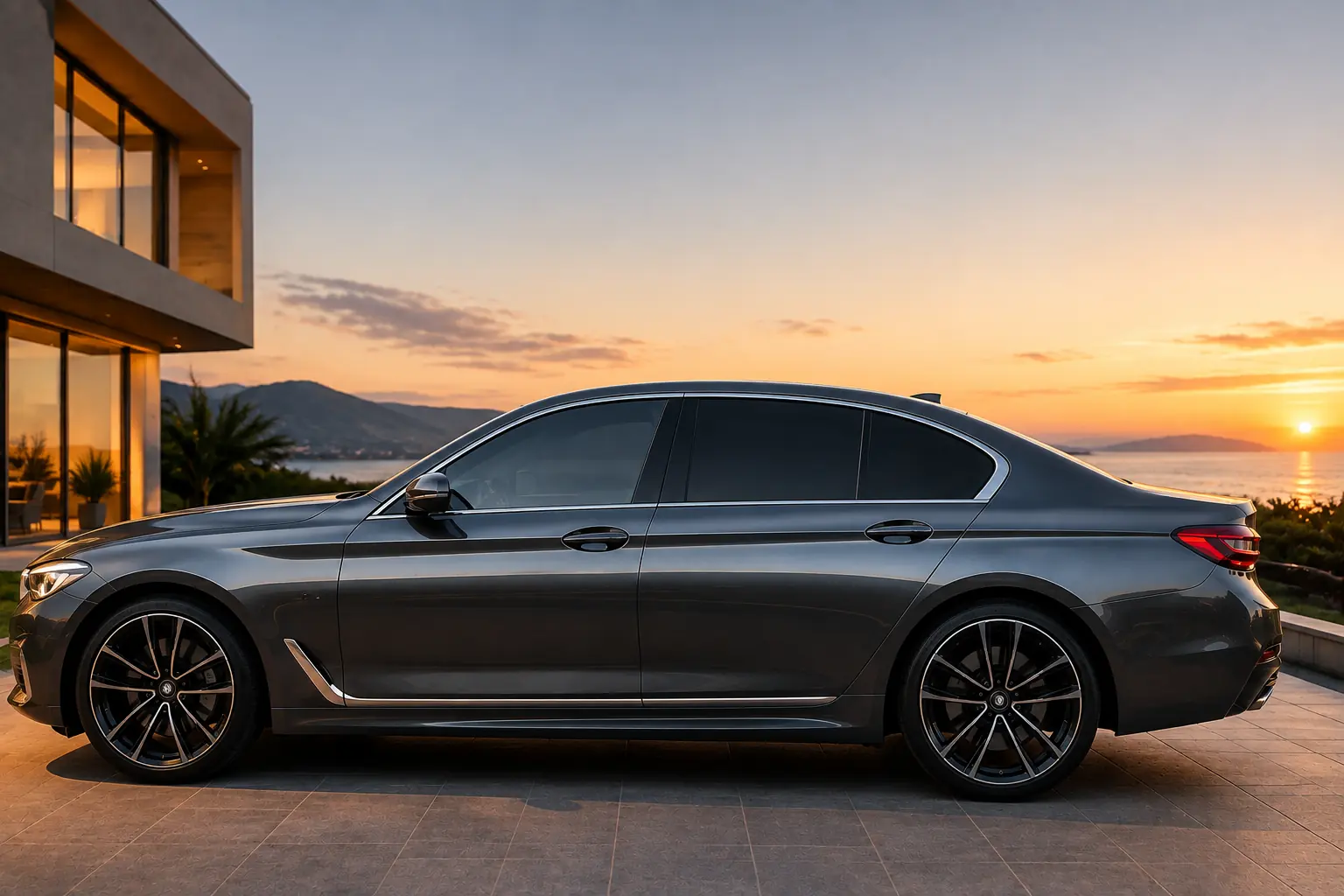
How long does a window tint last is determined by the film you choose, how well it is installed, the climate, and the care it receives over time. Even though car window film improves comfort, privacy, UV protection, and heat rejection, its lifespan can vary from one vehicle to another.
A premium automotive window tint can perform well for over a decade, while lower-quality films may begin fading or deteriorating much earlier. Daily UV exposure, heat, humidity, dust, and regular cleaning all play a role in how long the tint continues to look and perform as expected.
Here is a complete guide to understanding what affects tint longevity, how different films compare, and what you can do to maximize your investment.
How Long Does Each Type of Window Tint Last?
Every tint technology is engineered differently, resulting in noticeable differences in film durability, heat control, and resistance to aging. The comparison below provides a quick overview.
| Film Type | Average Lifespan | Best For | Main Limitation |
|---|---|---|---|
| Dyed | Around 3–5 years | Budget & privacy | Fades faster |
| Metalized | Around 5–7 years | Heat reflection | Signal interference |
| Hybrid | Around 5–8 years | Balanced performance | Quality varies |
| Carbon | Around 7–10 years | Fade resistance | Higher cost |
| Ceramic | 10+ years | Heat rejection & durability | Premium pricing |
| Nano-Ceramic | 10+ years | Maximum performance | Needs quality installation |
Better materials give premium films greater durability than entry-level options. Constant sunlight, heat, and humidity gradually reduce the life of any window film. Professional installation, proper maintenance, and a reliable tint warranty also affect its lifespan.
How Long Does Dyed Window Tint Last?
Among the available tint options, dyed tint is one of the most affordable. Many vehicle owners choose it for added privacy and glare reduction without a high upfront cost.
Dyed tint absorbs heat rather than reflecting it. That constant heat, combined with UV exposure, gradually weakens the dye layer. As the film ages, window tint fading becomes easier to notice, and the color can shift to a brown or purple tint.
The dyed window tint lifespan is generally shorter, so replacement is often needed earlier than with premium window films.
How Long Does Metalized Window Tint Last?
Metalized tint contains a thin layer of metal particles that reflects solar heat. As a result, heat rejection remains more consistent, and tint fading is generally less noticeable than with basic window films.
The average metalized window tint lifespan is around 5 to 7 years, although actual life varies with installation quality, climate, and maintenance.
One drawback is possible interference with GPS, mobile signals, radio reception, and electronic toll tags. Drivers who rely on these devices may find non-metal window films a better choice.
How Long Does Carbon Window Tint Last?
Compared with dyed tint, carbon tint holds up better over time. Its carbon layer is less prone to fading, helping the film maintain its appearance for longer.
It delivers effective glare reduction and heat rejection without causing signal interference. Under normal conditions, the carbon window tint lifespan is typically 7 to 10 years.
Many vehicle owners choose carbon tint for its combination of long-term durability, premium appearance, and dependable thermal performance.
Ceramic and Nano-Ceramic Tint Lifespan: Why They Last Longer
Premium ceramic tint and nano-ceramic tint represent the highest-performing window film technologies currently available.
The longer nano-ceramic tint lifespan comes from its advanced construction, which provides exceptional resistance to UV exposure, outstanding infrared rejection, excellent heat rejection, and superior optical clarity. Since these films contain no dyes or metal layers that readily degrade, they maintain both appearance and performance for longer.
High temperatures, intense sunlight, dusty conditions, and harsh climates put constant stress on window films. Ceramic technologies are built to handle these conditions while helping minimize window tint fading.
Although they cost more upfront, their longer lifespan often provides better long-term value.
Ceramic Tint vs Regular Tint: Which Lasts Longer?
The table below compares the typical window tint lifespan and performance of ceramic and regular window tints.
| Factor | Regular Tint | Ceramic Tint |
|---|---|---|
| Lifespan | Shorter | Longer |
| Fade Resistance | Moderate | Excellent |
| Heat Rejection | Basic–Moderate | High |
| UV Protection | Varies | Excellent |
| Signal Interference | Possible | Minimal |
| Cost | Lower | Higher |
Ceramic window tint lifespan is generally longer. They cope better with heat and are less likely to fade or suffer adhesive damage over time. Even the best film will not perform well if it is installed poorly. Simple, regular cleaning also helps keep it in good condition for longer.
What Factors Affect Window Tint Lifespan?
No single factor determines how long does car window tint last. Its lifespan depends on the film, the installation, and the conditions it faces every day.
- Film quality: Premium films generally offer better film durability.
- Film type: Dyed tint usually wears out sooner than ceramic tint.
- Installation quality: Poor installation can cause bubbling, peeling, or early adhesive failure.
- Sun exposure: Constant UV exposure speeds up aging.
- Heat: High temperatures gradually weaken adhesives.
- Humidity: Excess moisture can contribute to bubbling.
- Dust and sand: Abrasive particles may scratch the film during cleaning.
- Cleaning methods: Harsh cleaners can damage protective coatings.
- Parking habits: Vehicles parked outdoors are exposed to more wear.
- Maintenance: Regular care helps extend tint performance.
Looking after these factors can make a noticeable difference to tint life.
What Are the Signs That Window Tint Needs Replacement?
Even high-quality films wear out over time. Knowing the signs window tint needs replacement helps you maintain clear visibility, comfort, and the overall appearance of your vehicle.
Common warning signs include:
- Uneven window tint fading
- Brown, patchy, or purple tint
- Bubbling
- Peeling around the edges
- Scratches or visible cracks
- Reduced heat rejection
- Increased glare inside the cabin
- Hazy visibility
- Visible adhesive marks
- Interior feeling noticeably hotter than before
Delaying replacement can reduce driving comfort while also affecting visibility, particularly during bright daytime conditions.
Why Does Window Tint Turn Purple, Bubble or Peel?
Several issues can shorten the life of window tint over time.
With years of sun exposure, low-quality dye layers lose their colour, resulting in discoloration and a purple tint. Bubbling or peeling often begins where the film was not bonded properly or where dust became trapped during installation.
Adhesive Failure becomes more common after years of heat exposure. Ammonia-based cleaners can speed up wear, and lower-quality films usually show these problems much sooner than premium films.
How Can You Make Car Window Tint Last Longer?
Knowing how to make window tint last longer comes down to a few simple maintenance habits that help keep the film looking good and performing well.
- Choose professional installation
- Allow the film to cure completely
- Clean using a microfiber cloth
- Use an ammonia-free cleaner
- Avoid abrasive brushes and scrubbing pads
- Do not place stickers directly on the film
- Park in shaded areas whenever possible
- Use windshield sunshades during extended parking
- Remove loose dust before wiping
- Inspect the film regularly for early signs of damage
Regular maintenance helps reduce wear and keeps the film performing well for longer.
Window Tint Warranty vs Actual Lifespan
A tint warranty is common with many premium window films. It reflects the manufacturer's confidence in the product, though actual performance can vary with real-world conditions.
Read the tint warranty carefully to understand what it covers and any exclusions. Keeping your invoice and warranty documents can also help if you need to make a claim.
The actual lifespan of window tint depends more on climate, installation quality, vehicle use, and regular maintenance than the warranty period itself.
Which Type of Window Tint Lasts the Longest?
Selecting the best long-lasting window tint depends on balancing budget, performance expectations, and driving conditions.
Ceramic tint and nano-ceramic tint usually offer the longest service life, along with excellent heat rejection, infrared rejection, UV protection, and durability. Carbon tint provides a good balance of long-term performance and cost. Manufacturers such as Global Hi-Tech Films offer these technologies across different performance requirements.
Metalized tint is a durable choice where signal interference is not a concern. Dyed tint is the most affordable option, although it generally has a shorter lifespan.
Choosing the right film according to climate, vehicle type, and performance priorities leads to better long-term satisfaction.
Final Thoughts on Window Tint Lifespan
How long does a window tint last varies from one vehicle to another. The lifespan of car window film is influenced by the film type, installation quality, weather conditions, and the way it is maintained.
Ceramic tint and nano-ceramic tint are known for lasting longer than many other films. They also offer good resistance to window tint fading and strong thermal performance. A professionally installed automotive window tint with regular maintenance can continue performing well for years.
FAQs About Window Tint Lifespan
- How long does window tint last? Most window tints last between 3 and 10 years, depending on the film type, installation quality, climate, and maintenance.
- Which window tint lasts the longest? Ceramic and nano-ceramic window tint usually last the longest because they resist heat, UV exposure, and fading better than other films.
- How long does ceramic window tint last? A quality ceramic window tint can typically last 10 years or more when professionally installed and properly maintained.
- Does dyed window tint fade faster? Yes. Dyed window tint fades faster than carbon or ceramic films because the dye gradually breaks down with sun exposure.
- How long does carbon window tint last? Carbon window tint generally lasts 7 to 10 years while offering good heat rejection and fade resistance.
- Why does window tint turn purple over time? Low-quality dyed films can turn purple as the dye breaks down after years of UV exposure.
- What causes window tint to bubble or peel? Poor installation, adhesive failure, trapped moisture, and prolonged heat exposure are common causes of bubbling and peeling.
- Can old window tint be repaired or restored? Minor issues may be manageable, but badly faded, bubbled, or peeling tint usually needs replacement.
- How can I make my window tint last longer? Use ammonia-free cleaners, clean with a microfiber cloth, and choose professional installation to help extend its lifespan.
- When should I replace my car window tint? Replace your car window tint if you notice fading, bubbling, peeling, discoloration, or reduced visibility.
Read also
 Global Hi-Tech FilmsWindow Films
Does Automotive Window Film Affect GPS, Mobile Signals or Keyless Entry?
Does automotive window film affect GPS, mobile signals or keyless entry? Learn how film construction can influence vehicle connectivity and signals. Explore now.
 Global Hi-Tech FilmsArchitecture
Can Window Film Be Applied to Double-Pane and Low-E Glass?
Can window film be used on double-pane and Low-E glass? Learn about compatibility, glass types, thermal stress and key installation factors. Explore now.
 Global Hi-Tech FilmsWindow Films
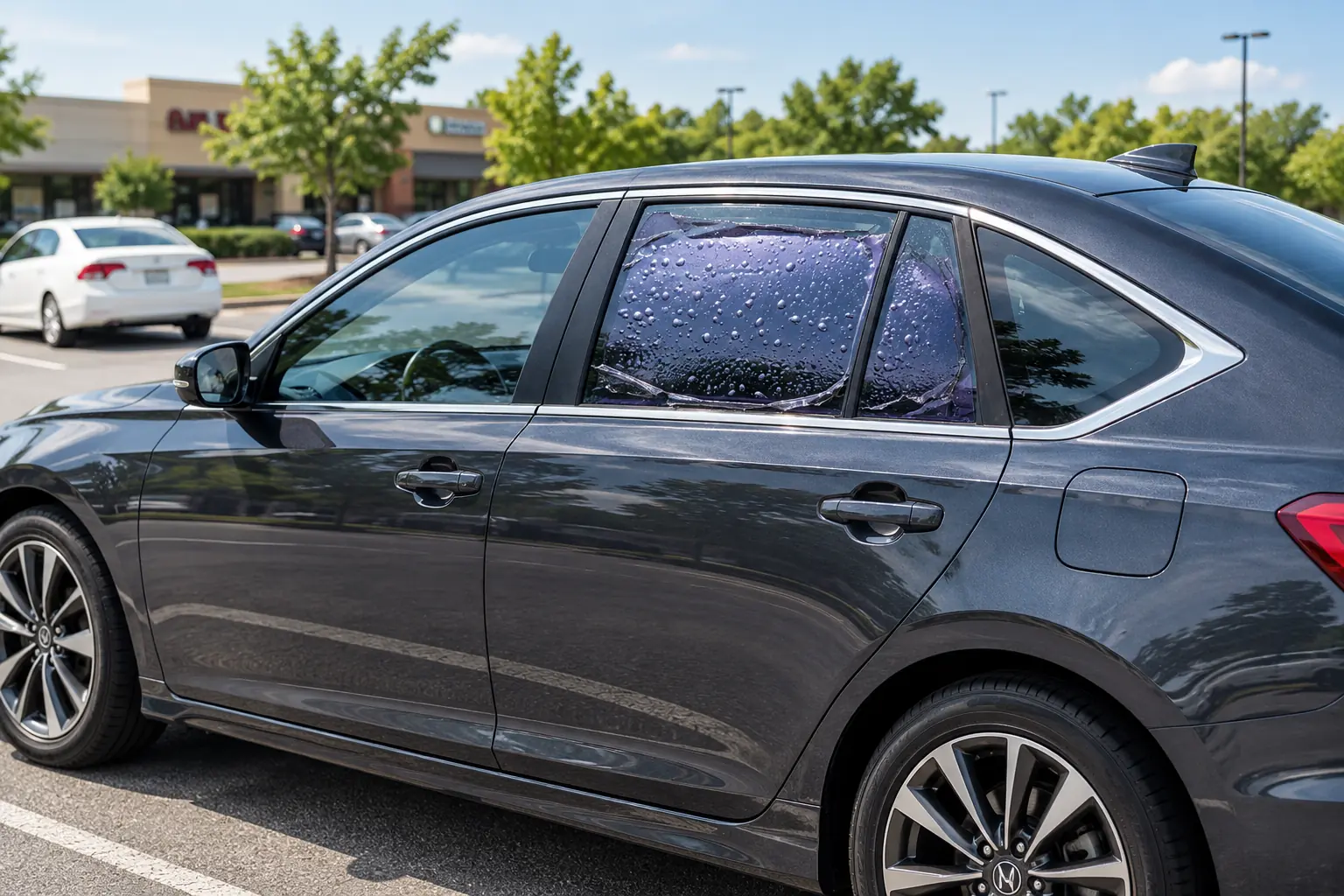
Why Does Automotive Window Film Bubble, Peel or Change Color?
Discover why automotive window film bubbles, peels or changes color, the common causes of film failure, and how quality installation helps prevent damage.