

How Often Should You Service Your Car? Complete Maintenance Schedule by Mileage & Time
Learn how often to service your car with this complete guide based on mileage and time. Follow the right maintenance schedule to boost performance and lifespan.
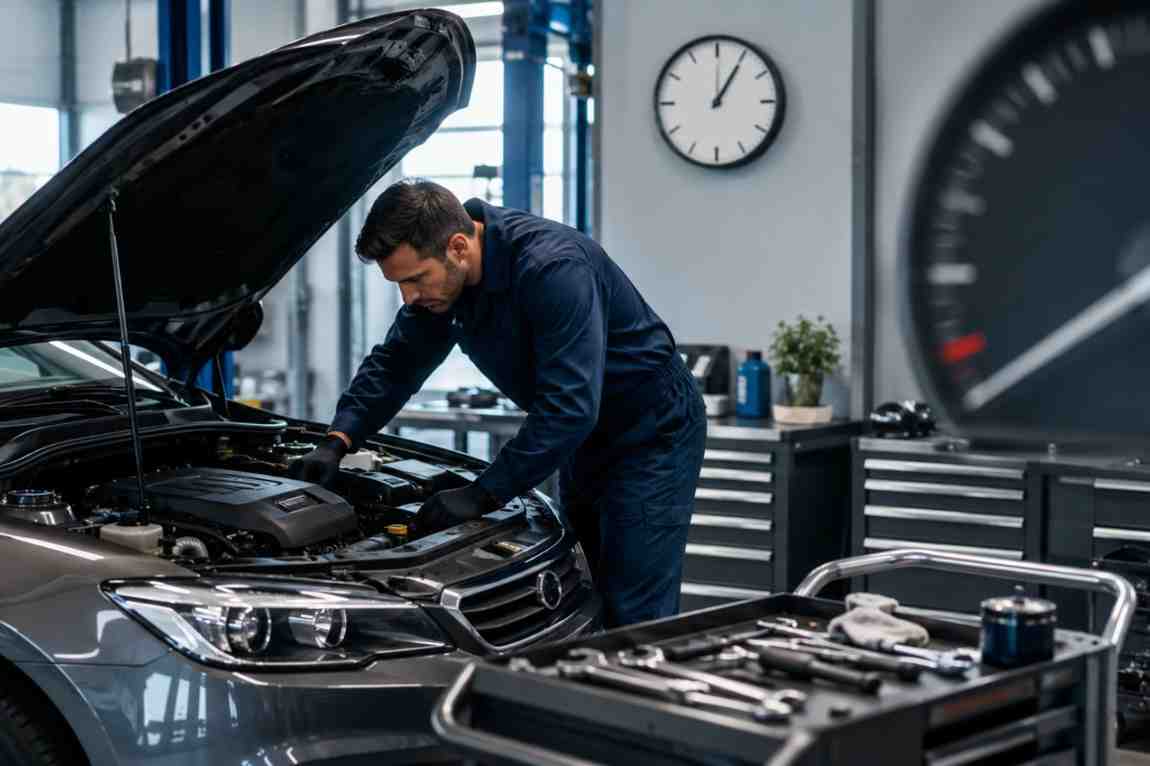
Every driver knows that feeling of uncertainty when the odometer ticks past a familiar number, wondering if it is time for a visit to the mechanic. If you are asking how often should you service your car, the general rule is every 10,000 to 15,000 kilometres (6,000 to 10,000 miles) or every 12 months, whichever comes first. However, your specific car service interval depends heavily on your driving habits and vehicle type. Understanding how often to service a car ensures safety, efficiency, and maximum resale value. This comprehensive car servicing guide will help you build the perfect
routine car maintenance plan for your vehicle.
Follow Your Manufacturer's Recommended Service Schedule
The most reliable source for your vehicle's maintenance needs is always the owner's manual. Every manufacturer provides a detailed service schedule tailored to your specific make and model, and following these guidelines is essential for several reasons.
Warranty Requirements: Most manufacturers require proof of scheduled maintenance to honor warranty claims. If you skip services or fail to keep proper documentation, you risk voiding your warranty coverage.
Digital Service Records: Modern vehicles often track service intervals digitally and display reminders on the dashboard. Pay attention to these alerts, as they are calculated based on your actual driving patterns and conditions.
Flexible Service Intervals: Some manufacturers offer flexible or variable service schedules that adjust based on driving style, distance, and conditions. These systems monitor engine load, temperature, and operating hours to determine the optimal time for your next service.
Authorised Service Networks: Availability of service centres varies by country and region. Check your manufacturer's authorised service network before purchasing to ensure you have convenient access to qualified technicians and genuine parts.
How Often Should You Service Your Car? Mileage vs Time Explained
When determining when you should service your car, mechanics and manufacturers always emphasize the "whichever comes first" principle. This means you must follow either the mileage limit or the time limit, even if you have not driven very much.
Many owners assume that low mileage means they can delay their recommended car service interval. However, car servicing frequency is dictated by time just as much as distance. Engine oil degrades and loses its viscosity over time, even if the car sits perfectly still in a garage. Rubber seals dry out, brake fluid absorbs moisture from the air, and coolant loses its anti-corrosive properties. Adhering to a strict car maintenance schedule ensures that time-sensitive fluids and components are replaced before they can cause internal damage.
What Is Included in a Routine Car Service?
Understanding what happens during a routine car service helps you know what to expect and ensures you are getting comprehensive care. A standard service typically includes the following checks and procedures:
Engine Oil Replacement: The old oil is drained and replaced with fresh oil that meets the manufacturer's specifications for viscosity and performance.
Oil Filter Replacement: The old filter is removed and replaced to ensure contaminants are properly trapped and do not circulate through the engine.
Brake Inspection: Technicians check brake pad thickness, rotor condition, and brake fluid levels to ensure your stopping power remains optimal.
Tyre Inspection: Tire pressure is checked and adjusted, tread depth is measured, and the tires are inspected for uneven wear, damage, or aging.
Fluid Top-Up: All essential fluids including coolant, brake fluid, power steering fluid, and windshield washer fluid are checked and topped up as needed.
Battery Check: The battery's charge level, terminal condition, and overall health are tested to prevent unexpected starting failures.
Diagnostic Scan: The vehicle's computer system is scanned for error codes and potential issues that may not yet be visible through physical inspection.
Suspension Inspection: Shock absorbers, struts, bushings, and other suspension components are checked for wear and proper operation.
Air Filter Check: The engine air filter is inspected and replaced if clogged to maintain proper airflow and fuel efficiency.
Light and Safety Check: All exterior lights, wipers, and safety systems are tested to ensure they function correctly.
Recommended Car Service Schedule by Mileage & Time
To help you track your periodic car service requirements, we have compiled a comprehensive car service checklist below. Use this keyword-rich guide to understand exactly when each major component needs attention based on standard driving conditions.
| Component | Standard Interval (Kilometres) | Standard Interval (Miles) | Core Action Required |
|---|---|---|---|
| Engine Oil and Filter | 10,000 to 15,000 km | 6,000 to 10,000 miles | Replace oil and filter, check for leaks |
| Cabin Air Filter | 15,000 to 20,000 km | 10,000 to 15,000 miles | Replace to maintain interior air quality |
| Engine Air Filter | 20,000 to 30,000 km | 12,000 to 20,000 miles | Replace to ensure proper engine breathing |
| Brake Fluid | 40,000 to 50,000 km | 25,000 to 30,000 miles | Flush and replace to prevent brake fade |
| Coolant | 50,000 to 100,000 km | 30,000 to 60,000 miles | Flush and replace to prevent overheating |
| Spark Plugs | 60,000 to 100,000 km | 40,000 to 60,000 miles | Replace to maintain fuel efficiency |
| Transmission Fluid | 60,000 to 100,000 km | 40,000 to 60,000 miles | Flush and replace for smooth gear shifts |
Always consult your specific owner's manual, as the manufacturer service schedule for your exact make and model will override these general guidelines.
How Driving Conditions Affect Your Car Service Intervals
The intervals listed above assume "normal" driving conditions. In reality, most drivers experience "severe" driving conditions, which drastically changes how many km before car service is required.
You fall into the severe category if you frequently experience the following:
- Heavy stop-and-go traffic or constant idling.
- Taking short trips of less than eight kilometres (five miles) where the engine never fully warms up.
- Driving in extremely hot, dusty, or sandy environments.
- Towing heavy loads or carrying maximum cargo weight.
- Frequent driving on rough, unpaved, or salted roads.
If your daily commute matches these descriptions, you should reduce your car service after how many kilometres benchmark by at least twenty to thirty percent. For example, instead of waiting for 10,000 kilometres, you should perform routine car maintenance every 5,000 to 7,500 kilometres.
Car Service Schedule for Petrol, Diesel & Electric Vehicles
Different powertrains have unique mechanical requirements, meaning how often should a petrol car be serviced will differ from a diesel or electric vehicle.
Petrol Cars:
Petrol engines generally follow the standard 10,000 to 15,000 kilometre service interval. The primary focus during these visits is replacing the engine oil, checking the spark plugs, and ensuring the air filter is clean to maintain optimal combustion.
Diesel Cars:
If you are wondering how often a diesel car is serviced, the answer is usually slightly more frequent, often around 7,500 to 10,000 kilometres. Diesel engines produce more soot, which means the engine oil degrades faster. Additionally, diesel fuel filters and specialized emissions components require strict attention to prevent costly failures.
Electric Vehicles:
EVs have far fewer moving parts, but they still require a scheduled maintenance plan. You should service an EV every 15,000 to 20,000 kilometres or annually. The focus shifts entirely to checking the battery cooling system, replacing the cabin air filter, inspecting the brake fluid, and performing essential software updates.
Minor vs Major Car Service: Key Differences & What's Included
Understanding the difference between a basic check-up and a comprehensive overhaul helps you prepare for car servicing every 6 months or 10000 km.
Minor or Basic Service:
This is your standard periodic car service. It typically includes draining and replacing the engine oil, installing a new oil filter, topping up all essential fluids, and performing a multi-point safety inspection. The mechanic will also check tire pressure, inspect brake pad thickness, and look for any obvious fluid leaks.
Major or Full Service:
A major service occurs at higher mileage intervals, typically every 20,000 to 40,000 kilometres. It includes everything in a minor service, plus replacing the air filters, cabin filters, and spark plugs. The mechanic will also perform a brake fluid flush, check the coolant concentration, inspect the suspension components, and run a deep diagnostic scan on the vehicle's computer systems.
Warning Signs Your Car Needs Immediate Servicing
Never wait for your mileage limit if your vehicle is exhibiting signs your car needs servicing. Modern car maintenance intervals are just guidelines, and mechanical issues can arise at any time. Pull over and book an immediate inspection if you notice any of the following:
- Illuminated dashboard warning lights, especially the check engine or oil pressure indicators.
- Unusual noises such as grinding brakes, squealing belts, or clunking suspension.
- A spongy brake pedal or the vehicle pulling to one side when stopping.
- Visible fluid puddles under the car after it has been parked.
- A sudden and unexplained drop in fuel efficiency.
- Excessive smoke coming from the exhaust pipe.
Addressing these symptoms immediately prevents minor issues from turning into catastrophic engine failures.
DIY Car Maintenance vs Professional Car Servicing
While a professional mechanic is required for complex diagnostics and internal repairs, you can perform essential preventive maintenance at home to keep your car running smoothly between scheduled visits.
Safe DIY Tasks:
- Checking and adjusting tire pressure every two weeks.
- Topping up windshield washer fluid and checking engine oil levels.
- Replacing worn windshield wiper blades.
- Washing the vehicle and cleaning the interior.
Tasks Requiring a Professional:
- Engine diagnostics and computer scanning.
- Brake pad replacement and rotor machining.
- Transmission fluid flushes and timing belt replacements.
- Wheel alignment and suspension repairs.
Relying on certified professionals ensures that all complex components are checked thoroughly and that your vehicle remains safe to drive.
Protect Your Car's Exterior Between Services with Paint Protection Film (PPF)
Regular servicing keeps the engine and mechanical components in good condition, but the exterior paint also needs protection from scratches, stone chips, bird droppings, and UV exposure. A beautifully running engine means very little if the body of the car is deteriorating from environmental damage.
Premium Paint Protection Film (PPF) from reputable manufacturers provides a transparent barrier against stone chips, UV exposure, road debris, and environmental contaminants while preserving the vehicle's original finish. During routine servicing, inspect the PPF for lifting edges or damage and clean it using manufacturer-recommended methods to ensure it continues to perform optimally. Combining scheduled servicing with PPF maintenance helps keep the vehicle in excellent condition and supports resale value.
What Happens If You Skip Your Car Service?
Understanding what happens if you skip car servicing is crucial for protecting your financial investment. Ignoring your vehicle service schedule leads to a cascade of negative consequences.
First, missing scheduled maintenance will almost certainly void your factory warranty, leaving you entirely responsible for major repair bills. Second, old oil and clogged filters force the engine to work harder, drastically reducing fuel efficiency and increasing your daily running costs. Finally, a car with a missing or incomplete service history suffers massive depreciation. When it is time to sell, informed buyers and appraisers will deduct thousands from the final price to account for the unknown mechanical risks associated with a neglected vehicle.
Conclusion: Follow the Right Car Service Schedule
Knowing how often you should service your car is the foundation of responsible vehicle ownership. By adhering to a strict car maintenance schedule, you ensure that your vehicle remains safe, efficient, and reliable for years to come. Whether you are performing basic DIY checks at home or relying on professionals for a major service, consistency is the key to preventing costly breakdowns. Combine your mechanical routine car maintenance with proper exterior protection, and you will preserve both the performance and the resale value of your vehicle for the long term. Check your owner's manual today, assess your specific driving conditions, and book your next service before the mileage limit catches up to you.
FAQs About Car Service Intervals & Maintenance
- How often should a new car be serviced? Most new cars should be serviced every 10,000 to 15,000 kilometres (6,000 to 10,000 miles) or 12 months, whichever comes first. Always follow the manufacturer's maintenance schedule to protect your warranty and keep the vehicle in optimal condition.
- Is it better to service a car based on time or mileage? You should service your car based on whichever comes first—the recommended mileage or the time interval. Even if you drive very little, engine oil, brake fluid, and other components deteriorate over time.
- How do I know if my car needs servicing before the scheduled interval? Your car may need servicing earlier if you notice warning lights, unusual engine noises, poor fuel economy, difficulty starting, vibrations, fluid leaks, or reduced braking performance. These signs should be inspected immediately.
- Does frequent city driving affect car service intervals? Yes. Stop-and-go traffic, short trips, frequent idling, and harsh driving conditions put additional stress on the engine and brakes. In these cases, manufacturers often recommend servicing the vehicle more frequently than under normal driving conditions.
- What is included in a standard car service? A standard service typically includes an engine oil and oil filter change, brake inspection, tyre inspection, battery check, fluid top-ups, air filter inspection, diagnostic scan, and a general safety inspection of major components.
- How often should I replace my car's air filters? The engine air filter generally needs replacement every 20,000 to 30,000 kilometres (12,000 to 20,000 miles), while the cabin air filter is usually replaced every 15,000 to 20,000 kilometres (10,000 to 15,000 miles), depending on driving conditions.
- Do electric vehicles require regular servicing? Yes. Although electric vehicles have fewer moving parts than petrol or diesel cars, they still require regular servicing to inspect the battery cooling system, brakes, suspension, tyres, cabin air filter, and software updates.
- Can I service my car at an independent workshop instead of a dealership? Yes, in many countries you can use a qualified independent workshop without affecting your warranty, provided the service follows the manufacturer's guidelines and approved parts and fluids are used. Always check your local warranty terms.
- How can regular servicing improve fuel efficiency? Routine servicing keeps the engine running efficiently by replacing old engine oil, cleaning or replacing filters, maintaining proper tyre pressure, and ensuring all systems operate correctly, which helps improve fuel economy.
- Does regular servicing increase a car's resale value? Yes. A well-maintained vehicle with a complete service history is generally more attractive to buyers, commands a higher resale value, and demonstrates that the car has been properly cared for throughout its life.
Read also
 Global Hi-Tech FilmsWindow Films
Does Automotive Window Film Affect GPS, Mobile Signals or Keyless Entry?
Does automotive window film affect GPS, mobile signals or keyless entry? Learn how film construction can influence vehicle connectivity and signals. Explore now.
 Global Hi-Tech FilmsArchitecture
Can Window Film Be Applied to Double-Pane and Low-E Glass?
Can window film be used on double-pane and Low-E glass? Learn about compatibility, glass types, thermal stress and key installation factors. Explore now.
 Global Hi-Tech FilmsWindow Films
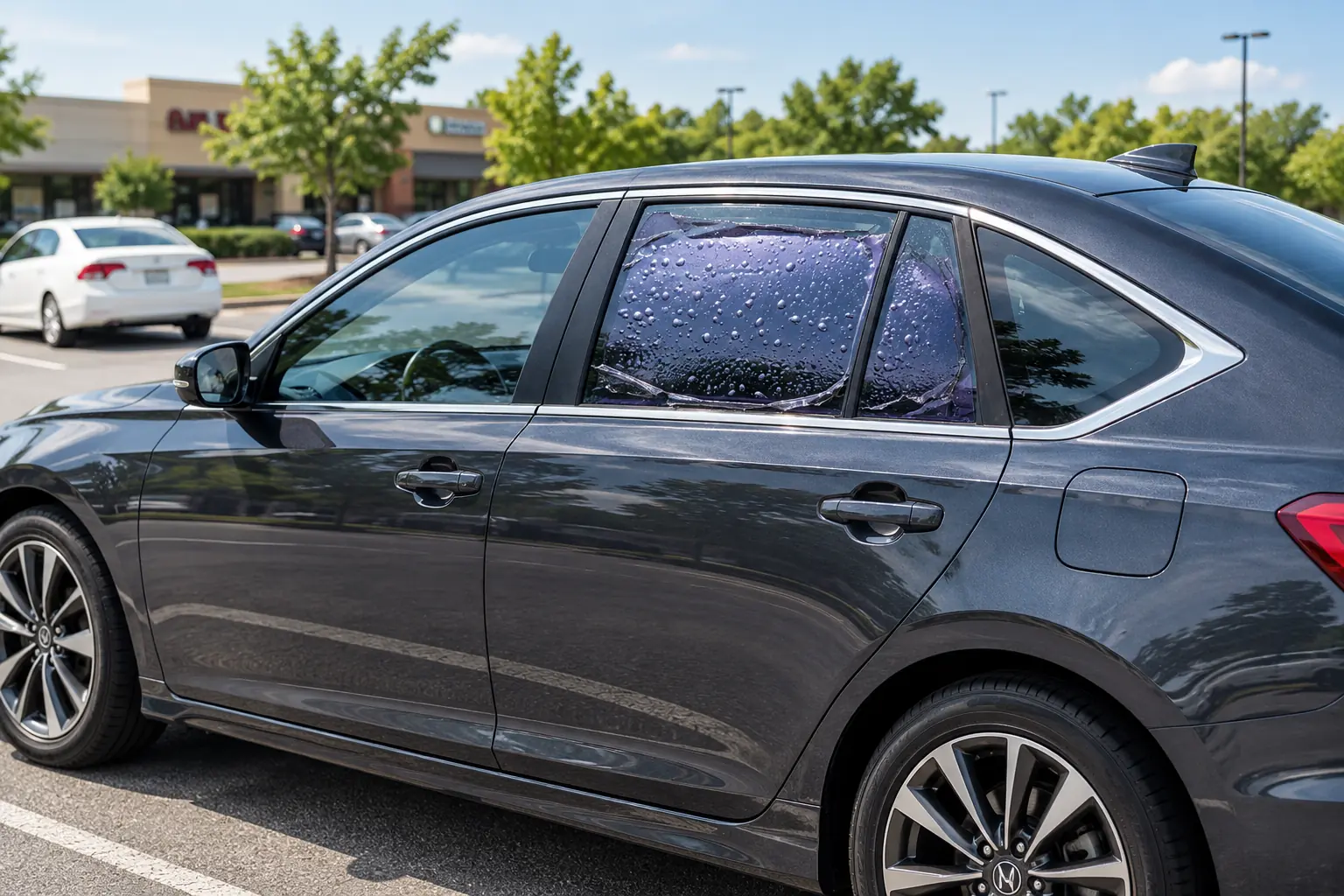
Why Does Automotive Window Film Bubble, Peel or Change Color?
Discover why automotive window film bubbles, peels or changes color, the common causes of film failure, and how quality installation helps prevent damage.