

How to Extend Your Car's Lifespan: A Complete Maintenance Guide
Want your car to last longer? Explore this complete maintenance guide with practical tips to extend lifespan, boost performance, and avoid costly repairs.
Every driver dreams of a vehicle that runs smoothly for years without major breakdowns. If you want to know how to extend your car's lifespan, the secret lies in consistent maintenance and proactive care. Understanding the critical systems that keep your vehicle running and addressing issues before they become costly repairs is essential. This comprehensive guide covers everything from essential fluid management to daily driving habits that will help you keep your car in good condition for the long haul.
How Long Does a Car Last? Average Lifespan by Vehicle Type
Understanding the average lifespan of a car helps set realistic expectations for your vehicle's longevity. Thanks to advancements in engineering and manufacturing, modern cars are built to last much longer than their predecessors.
Here is a breakdown of the typical car lifespan in km based on powertrain type:
- Petrol Cars: With proper maintenance, a standard petrol engine can reliably reach 200,000 to 300,000 kilometers.
- Diesel Cars: Known for their robust construction, diesel engines often exceed 300,000 kilometers and can easily surpass 500,000 kilometers with meticulous care.
- Electric Vehicles (EVs): While EVs have fewer moving parts, their lifespan is largely dictated by battery health. A well-maintained EV can last 200,000 to 300,000 kilometers before requiring a major battery replacement.
Several factors affect how long do cars last, including the quality of routine maintenance, driving habits, climate conditions, and the build quality of the specific make and model. Consistent care is the single biggest factor in reaching these high mileage milestones.
Essential Fluid Maintenance Tips to Extend Your Car's Lifespan
Fluids are the lifeblood of your vehicle, and proper management is crucial for extending car life. Regular inspection and timely replacement of these vital liquids prevent premature wear and keep your car running like new.
To help you stay on top of fluid maintenance, review the comprehensive fluid management table below that outlines the recommended change intervals for each critical fluid type to extend car life.
| Fluid Type | Recommended Interval | Purpose | Signs It Needs Replacement |
|---|---|---|---|
| Engine Oil | Every 5,000 to 10,000 kilometers | Lubricates moving parts and reduces friction | Dark color, engine noise, reduced performance |
| Coolant | Every 2 to 5 years depending on type | Prevents engine overheating and corrosion | Discoloration, engine temperature fluctuations |
| Brake Fluid | Every 2 to 3 years or 30,000 to 40,000 kilometers | Maintains optimal stopping power and brake response | Spongy brake pedal, reduced braking efficiency |
| Transmission Fluid | Every 60,000 to 100,000 kilometers | Ensures smooth shifting and protects transmission components | Rough shifting, transmission slipping, unusual noises |
| Power Steering Fluid | Inspect annually, replace as needed | Prevents steering rack wear and ensures easy steering | Stiff steering, whining noises when turning |
Always consult your owner's manual for manufacturer-specific recommendations, as different vehicles and fluid technologies have varying service requirements.
Why Regular Oil Changes Are Essential for a Longer Engine Life
Why it matters: Engine oil lubricates moving parts, reduces friction, and prevents excessive wear inside the engine. This vital fluid acts as the lifeblood of your vehicle's powertrain, protecting critical components from heat and abrasion. Over time, oil becomes contaminated with dirt and debris, reducing its effectiveness and ability to dissipate heat.
When to replace: Most vehicles require an oil change every 5,000 to 10,000 kilometers, depending on the type of oil used and the manufacturer's specific recommendations outlined in your owner's manual.
Warning signs: Dark or dirty oil on the dipstick, engine knocking or ticking noises, the oil change warning light illuminating, or a burnt smell inside the cabin.
Benefits: Regular oil changes provide improved engine performance, better fuel efficiency, reduced engine wear, and a significantly longer engine lifespan. Keeping up with this simple task is one of the easiest and most impactful ways to safeguard your engine.
Tire Maintenance Tips to Improve Safety, Fuel Efficiency & Car Lifespan
Why it matters: Tires are the sole point of contact between your vehicle and the road. Their condition is vital for responsive steering, effective braking, and overall stability. Properly maintained tires provide better traction and improve driving stability, especially in adverse weather conditions.
When to maintain: Check tire pressure monthly, including the spare tire. Rotate tires every 8,000 to 10,000 kilometers to promote even wear. Inspect tread depth monthly and replace tires when the tread wears down to the built-in wear indicators.
Warning signs: Uneven tread wear, frequent loss of tire pressure, vibrations through the steering wheel, or the vehicle pulling to one side while driving on a straight road.
Benefits: Proper tire maintenance significantly improves safety, enhances vehicle handling, prevents premature suspension wear, and improves fuel efficiency by reducing rolling resistance.
To help you maintain optimal tire health, review the essential tire maintenance checklist below that covers the critical practices for increasing vehicle lifespan and ensuring safety.
| Maintenance Task | Frequency | Benefit |
|---|---|---|
| Check tire pressure | Monthly, including spare tire | Prevents uneven wear and improves fuel efficiency |
| Rotate tires | Every 8,000 to 10,000 kilometers | Promotes even wear across all four tires |
| Inspect tread depth | Monthly | Ensures adequate traction and identifies wear patterns |
| Wheel alignment | Annually or after hitting potholes | Prevents premature tire wear and improves handling |
| Balance tires | When vibration is noticed or during rotation | Ensures smooth ride and prevents uneven wear |
When to Replace Your Car's Air Filter and Why It Matters
Why it matters: The engine air filter acts as a barrier, preventing dirt, dust, pollen, and other airborne debris from entering the engine's combustion chambers. A clean air filter is essential for the engine to breathe efficiently. A clogged filter restricts airflow, reducing performance and negatively affecting fuel economy.
When to replace: Replace the engine air filter annually or every 20,000 kilometers, depending on your driving environment. If you frequently drive on dusty or unpaved roads, you may need to replace it more often.
Warning signs: Reduced fuel efficiency, sluggish engine performance particularly during acceleration, dark or dirty filter appearance when inspected, and a noticeable increase in engine noise or rough idling.
Benefits: Replacing the air filter is a relatively simple and inexpensive maintenance task that restores optimal air-fuel mixture, improves engine performance, and boosts fuel economy.
Brake Maintenance Tips: When to Replace Brake Pads and Fluid
Why it matters: Brakes are one of the most critical safety components in any vehicle. Their ability to respond promptly and effectively is paramount for preventing accidents. Drivers should always pay attention to how their brakes feel and respond while driving, as subtle changes can indicate impending issues.
When to replace: Brake pads should be replaced when their thickness drops below 3mm to protect the brake rotors. Brake fluid should be flushed every 2 to 3 years to maintain hydraulic pressure.
Warning signs: Squeaking or grinding sounds during braking, longer stopping distances, vibrations when braking, a spongy brake pedal, or the brake warning light illuminating on the dashboard.
Benefits: Timely maintenance of your braking system ensures your vehicle remains safe to drive, prevents expensive rotor damage, and provides peace of mind on the road.
To help you identify potential brake problems early, review the comprehensive brake warning signs table below that details the symptoms requiring immediate attention for preventive car maintenance.
| Warning Sign | Possible Cause | Required Action |
|---|---|---|
| Squeaking or grinding sounds | Worn brake pads | Immediate inspection and pad replacement |
| Longer stopping distances | Reduced friction or hydraulic issues | Brake system inspection |
| Vibrations when braking | Warped rotors | Rotor resurfacing or replacement |
| Brake warning light | Critical system fault | Immediate professional diagnosis |
| Spongy brake pedal | Air in brake lines or fluid leak | Brake fluid inspection and system bleed |
Car Battery Maintenance: Signs, Lifespan & Replacement Tips
Why it matters: A healthy battery is essential for starting your vehicle and powering its electrical systems, from lights and radio to onboard computers. Over time, batteries lose their ability to hold a charge, a process accelerated by extreme temperatures and frequent short trips.
When to replace: Typical car batteries last three to five years. It is best to replace the battery when performance declines or when it approaches the end of its typical lifespan, rather than waiting for it to fail completely.
Warning signs: Slow engine crank when starting, dimming headlights, the battery warning light on the dashboard, or visible corrosion (a powdery blue or white substance) on the terminals.
Maintenance tips: Clean battery terminals regularly to remove corrosion and ensure good conductivity. Check battery voltage with a multimeter to monitor its charge level. Ensuring tight connections can significantly extend battery life and prevent unexpected breakdowns.
Why Following Your Car's Service Schedule Is Important
Every vehicle manufacturer provides a recommended service schedule designed to keep the vehicle operating properly and safely. This schedule is meticulously developed based on extensive testing and engineering to ensure that essential components are inspected, serviced, and replaced at the correct intervals.
Following this schedule ensures that critical fluid levels are maintained, filters are clean, and major systems are checked for wear and tear. Adhering to the manufacturer's guidelines is not only crucial for performance and reliability but also often a requirement to maintain your vehicle's warranty.
To help you understand what to expect during routine service visits, review the comprehensive service schedule table below that outlines typical maintenance tasks for minor and major services to keep your car in good condition.
| Service Type | Frequency | Key Tasks Included |
|---|---|---|
| Minor Service | Once yearly or per manufacturer schedule | Oil and filter change, fluid checks, brake inspection, tire pressure check, light and belt inspection |
| Major Service | Every 2 to 3 years or per manufacturer schedule | Comprehensive system checks, all fluid replacements, filter replacements, engine diagnostics, suspension inspection, exhaust system check |
Driving Habits That Help Extend Your Car's Lifespan
How you treat your car daily dictates how long its core mechanical structures last. Adopting gentle driving habits can significantly reduce wear and tear on critical components.
Warm up your engine properly by driving gently for the first 5 minutes to let oil circulate throughout the engine. Avoid aggressive acceleration and hard braking, as these practices put unnecessary stress on the engine, transmission, and brake systems. Make smooth transitions by stopping completely before shifting between
Drive and Reverse gears to protect your transmission.
Rust prevention is crucial for long-term vehicle health. Wash the underbody regularly to remove corrosive salt and mud, especially during winter months or after driving on treated roads. Park in shade or use a garage or car cover to prevent UV paint damage, which can lead to clear coat degradation and eventual rust formation.
How to Protect Your Car's Paint and Exterior for Long-Term Value
Protecting your car's exterior is a critical component of extending your vehicle's physical lifespan. Paint damage is not just a cosmetic issue; it is the starting point for structural degradation.
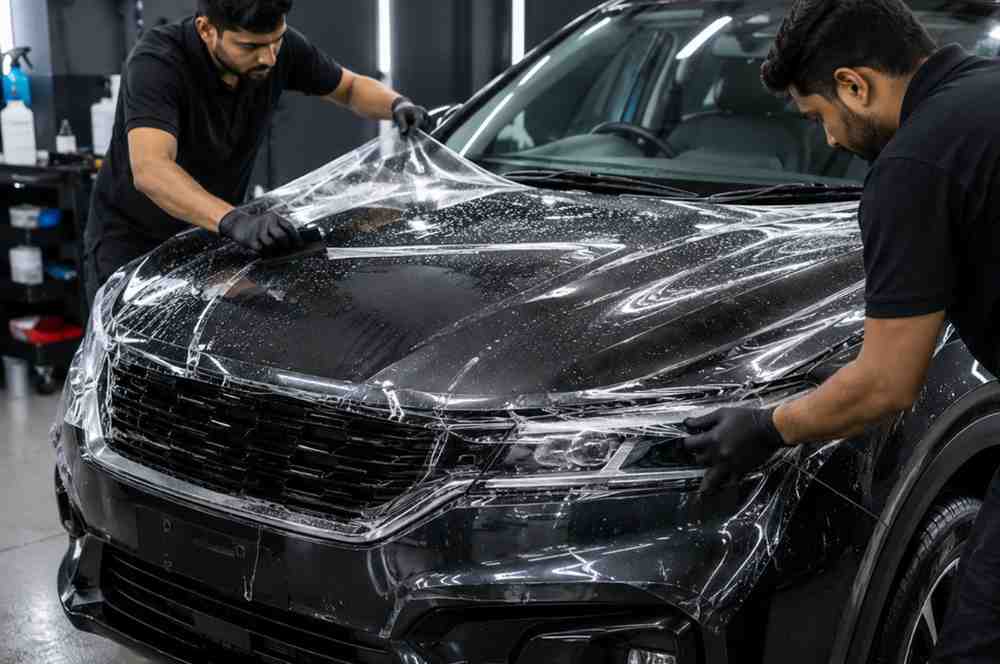
- Prevents rust: Stone chips and scratches expose bare metal to moisture and road salt. Paint Protection Film (PPF) acts as a physical shield, preventing these impacts and stopping rust before it can form.
- Preserves factory finish: Keeping the original paint intact is crucial for maintaining a high resale value. Buyers pay a premium for vehicles with flawless, original factory finishes.
- Reduces repainting costs: By preventing deep scratches and acid etching, PPF eliminates the need for expensive panel repaints down the road.
- Protects against environmental hazards: High-quality PPF defends the vehicle against UV exposure, bird droppings, bug splatter, and road debris. Premium options, such as those from Global Hi-Tech Films, offer self-healing properties that keep the car looking new while directly contributing to its long-term structural health.
Common Mistakes That Shorten Your Car's Lifespan
Even with the best intentions, many drivers make critical errors that accelerate wear and tear. Avoid these common mistakes to ensure your vehicle reaches its maximum potential.
- Skipping regular servicing: Delaying scheduled maintenance allows minor issues to escalate into catastrophic failures.
- Ignoring dashboard lights: Yellow and red warning lights are early indicators of system faults. Ignoring them guarantees more expensive repairs later.
- Driving on low tire pressure: This increases rolling resistance, reduces fuel economy, and causes the tires to overheat and fail prematurely.
- Delaying oil changes: Running the engine on degraded oil causes internal sludge buildup and severe friction damage.
- Washing with dish soap: Household detergents are too harsh and will strip away protective waxes, sealants, and ceramic coatings, leaving the paint vulnerable.
- Ignoring stone chips: Small chips expose bare metal to moisture and road salt, leading to rapid rust formation and body degradation.
- Not protecting the paint: Failing to shield the exterior from UV rays, bird droppings, and tree sap leads to clear coat failure and faded paint.
- Overloading the vehicle: Consistently carrying excess weight puts severe strain on the engine, transmission, brakes, and suspension components.
Car Maintenance Timeline: Monthly, 6-Month & Annual Checklist
To make vehicle upkeep manageable, it helps to break down tasks by frequency. This quick visual checklist ensures you stay on top of preventive car maintenance without feeling overwhelmed.
Monthly Checks
- Check tire pressure (including the spare)
- Check engine oil and coolant levels
- Wash exterior and clean interior
- Inspect lights and wiper blades
Every 6 Months
- Battery inspection and terminal cleaning
- Replace wiper blades if streaking
- Check wheel alignment and suspension
- Top up all essential fluids
Every Year (or 10,000 to 15,000 km)
- Full vehicle service (oil and filter change)
- Replace engine and cabin air filters
- Comprehensive brake inspection
- Rotate tires and check tread depth
Complete Car Maintenance Checklist to Extend Your Car's Lifespan
To help you stay organized and ensure you never miss a critical maintenance task, review the comprehensive car maintenance checklist below that covers all essential aspects of vehicle care for extending your car's lifespan.
| Maintenance Category | Task | Frequency |
|---|---|---|
| Engine Care | Oil and filter change | Every 5,000 to 10,000 kilometers |
| Engine Care | Air filter replacement | Annually or every 20,000 kilometers |
| Engine Care | Coolant flush | Every 2 to 5 years |
| Transmission | Transmission fluid change | Every 60,000 to 100,000 kilometers |
| Brakes | Brake fluid replacement | Every 2 to 3 years |
| Brakes | Brake pad inspection | Every service or 10,000 kilometers |
| Tires | Pressure check | Monthly |
| Tires | Tire rotation | Every 8,000 to 10,000 kilometers |
| Tires | Wheel alignment | Annually |
| Electrical | Battery terminal cleaning | Every 6 months |
| Electrical | Battery voltage check | Every 6 months |
| Exterior | Paint protection inspection | Every service |
| Exterior | Underbody wash | Monthly or after salt exposure |
| General | Full vehicle service | Per manufacturer schedule |
Conclusion: Simple Habits That Help Your Car Last Longer
Extending your car's lifespan is the result of consistent maintenance, not a single repair. Simple habits like timely servicing, careful driving, regular inspections, and protecting the exterior can keep your vehicle reliable for years while reducing repair costs and preserving resale value. By treating your car with proactive care and addressing minor issues before they become major problems, you ensure a safe and dependable driving experience. For owners who want to protect their investment even further, solutions like Paint Protection Film offer an additional layer of defense against everyday wear and tear, ensuring your vehicle stays in peak condition for the long haul.
FAQs About How to Extend Your Car's Lifespan
- How can I extend my car's lifespan? The best way to extend your car's lifespan is by following the manufacturer's maintenance schedule, changing engine oil and other fluids on time, maintaining proper tire pressure, replacing worn components, driving smoothly, and protecting your car from rust, UV damage, and corrosion.
- What is the average lifespan of a car? Most modern cars can last between 200,000 and 300,000 kilometers or 15 to 20 years with regular maintenance. Driving habits, road conditions, and timely servicing play a major role in determining how long a vehicle lasts.
- What maintenance should never be skipped? Essential maintenance tasks include regular oil changes, brake inspections, tire rotations, coolant replacement, air filter changes, battery checks, and following the manufacturer's recommended service schedule. Skipping these can lead to costly repairs and reduced vehicle life.
- How often should I service my car? Most vehicles require a minor service every 10,000 to 15,000 kilometers or once a year, while major services are typically recommended every 30,000 to 60,000 kilometers. Always refer to your owner's manual for the exact intervals.
- Does driving style affect a car's lifespan? Yes. Aggressive acceleration, hard braking, speeding over potholes, overloading the vehicle, and frequent short trips can increase wear on the engine, transmission, brakes, and suspension. Smooth, consistent driving helps extend your car's lifespan.
- How can I protect my car's exterior from long-term damage? Regular washing, prompt removal of bird droppings and tree sap, parking in shaded areas, and using Paint Protection Film (PPF) or other protective coatings can help prevent scratches, stone chips, UV damage, and rust while preserving your car's original finish.
- Can regular car washing help extend my car's lifespan? Yes. Washing your car regularly removes dirt, road salt, bird droppings, and other contaminants that can damage the paint and lead to corrosion. Keeping the exterior clean also helps maintain your vehicle's appearance and resale value.
- What are the common mistakes that reduce a car's lifespan? Some of the most common mistakes include delaying oil changes, ignoring warning lights, driving with underinflated tires, skipping scheduled maintenance, neglecting brake inspections, and failing to protect the vehicle's exterior from environmental damage.
- Does maintaining my car improve its resale value? Absolutely. A well-maintained vehicle with a documented service history, clean interior, and well-preserved exterior generally commands a higher resale value. Preventive maintenance also gives buyers greater confidence in the vehicle's condition.
- Is Paint Protection Film (PPF) worth it for increasing a car's lifespan? While PPF does not extend the lifespan of the engine or mechanical components, it helps preserve the vehicle's exterior by protecting against stone chips, scratches, UV rays, bird droppings, and road debris. This reduces repainting costs, prevents rust caused by paint damage, and helps maintain the car's resale value.
Read also
 Global Hi-Tech FilmsWindow Films
Does Automotive Window Film Affect GPS, Mobile Signals or Keyless Entry?
Does automotive window film affect GPS, mobile signals or keyless entry? Learn how film construction can influence vehicle connectivity and signals. Explore now.
 Global Hi-Tech FilmsArchitecture
Can Window Film Be Applied to Double-Pane and Low-E Glass?
Can window film be used on double-pane and Low-E glass? Learn about compatibility, glass types, thermal stress and key installation factors. Explore now.
 Global Hi-Tech FilmsWindow Films
Why Does Automotive Window Film Bubble, Peel or Change Color?
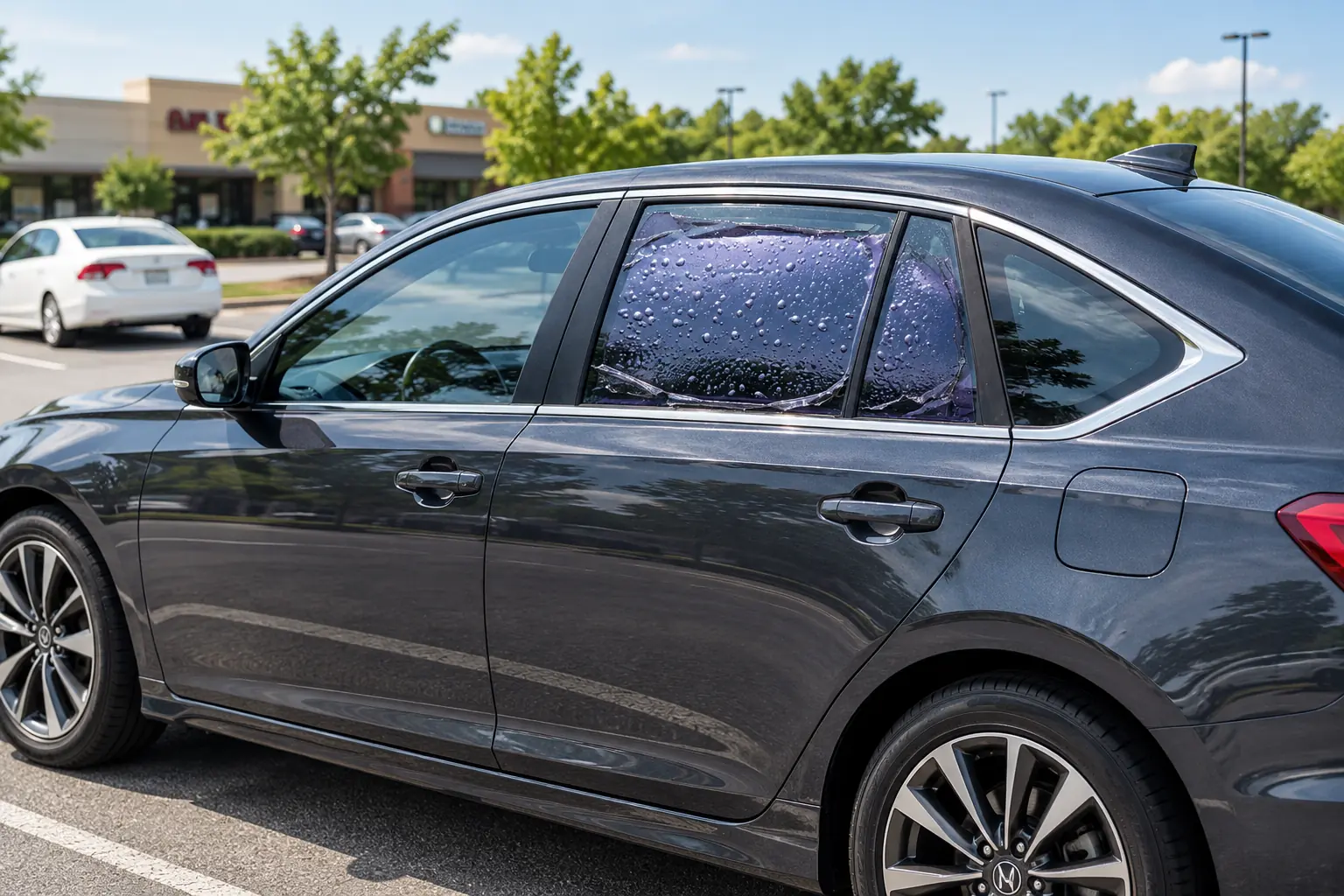
Discover why automotive window film bubbles, peels or changes color, the common causes of film failure, and how quality installation helps prevent damage.