

How to Protect a New Car from Everyday Wear and Tear
Learn how to protect your new car from daily wear and tear with smart tips like PPF, coatings, and maintenance. Keep your car looking new longer.
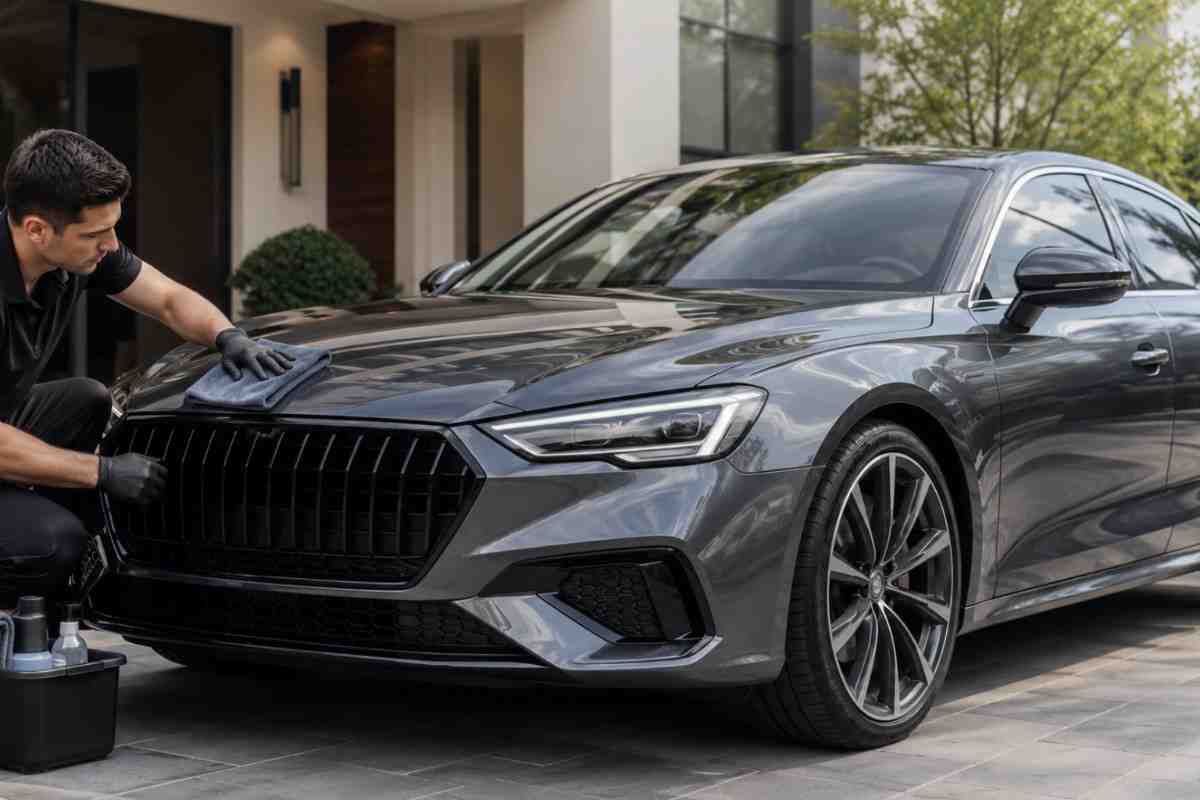
Driving a brand-new vehicle off the lot is an exciting experience, but keeping it looking new requires the right protection from day one. Daily driving exposes your car to stone chips, UV rays, bird droppings, road debris, and other environmental hazards that can quickly affect its paint and interior. Knowing how to protect a new car from everyday wear and tear helps preserve its showroom finish, reduce maintenance costs, and maintain a higher resale value. By following the right new car protection strategies and learning how to maintain a new car after purchase, you can keep your vehicle in excellent condition for years to come.
How to Protect a New Car from Everyday Wear and Tear: Quick Answer
The best way to protect a new car from everyday wear and tear is to apply Paint Protection Film (PPF) to high-impact areas, use ceramic coating for added chemical and UV protection, wash the car regularly with pH-neutral shampoo, park in shaded or covered areas, and maintain the interior with quality floor mats and seat protection. Taking these steps from day one helps preserve your car's appearance, reduce maintenance costs, and maintain its resale value.
Why Factory Paint Needs Extra Protection
Many owners assume the factory finish is fully prepared for the real world. In reality, automotive clear coats are typically only around 30 to 50 microns thick, making them susceptible to scratches, stone chips, and environmental contaminants. This thin layer is not designed to resist physical impacts from highway debris. Furthermore, ultraviolet exposure starts from day one, and environmental contaminants begin affecting the paint immediately. Without an additional protective barrier, the factory finish will quickly lose its gloss and become vulnerable to permanent damage.
7 Things to Do Immediately After Buying a New Car
Taking proactive steps on day one sets the foundation for long term vehicle preservation. To ensure your vehicle remains in pristine condition, here are the first seven things you should do immediately after buying a new car.
- Install Paint Protection Film: Apply a clear urethane barrier to high impact areas like the hood and bumper to prevent immediate stone chips.
- Apply Ceramic Coating: Seal the factory paint with a hydrophobic layer to protect against environmental contaminants and ultraviolet rays.
- Buy Custom Fit Floor Mats: Replace flimsy factory carpets with heavy duty rubber or all weather liners to trap mud and spills.
- Install a Dashcam: Protect yourself from liability and monitor your vehicle's surroundings while parked or driving.
- Check Tyre Pressure: Ensure all four tyres are inflated to the manufacturer's specifications for optimal safety and fuel efficiency.
- Read the Owner's Manual: Familiarize yourself with the specific break in procedures, fluid requirements, and maintenance schedules for your exact model.
- Avoid Aggressive Driving: Respect the engine break in period by avoiding high revolutions per minute and heavy braking during the first thousand miles.
9 Everyday Things That Can Damage Your New Car
Understanding the hidden threats on the road helps you appreciate why new car maintenance tips are so critical. Here are the everyday things that damage a new car and degrade its finish over time.
- Bird Droppings: Highly acidic and capable of etching through the clear coat in hours under the hot sun.
- Tree Sap: Sticky and corrosive, it hardens quickly and pulls at the paint when removed improperly.
- Ultraviolet Rays: Constant exposure causes the clear coat to oxidize, leading to faded and dull paint.
- Hard Water Spots: Minerals left behind after water evaporates can permanently bond to the clear coat.
- Stone Chips: High speed impacts from gravel and road debris instantly breach the paint down to the bare metal.
- Road Salt: Used in winter climates, it accelerates rust and corrosion on the underbody and wheel arches.
- Construction Dust: Fine, abrasive particles that act like sandpaper if wiped or washed incorrectly.
- Automatic Car Washes: Stiff bristles and dirty cloth strips drag accumulated grit across the paint, causing swirl marks.
- Acid Rain: Carries industrial pollutants that chemically react with the clear coat, leaving permanent cloudy spots.
New Car Protection Timeline: When Should You Apply PPF, Ceramic Coating & More?
Timing is critical when applying protective layers to your vehicle. To help you understand the ideal schedule for applying exterior defenses, review the new car protection timeline below that details when to apply specific treatments for maximum effectiveness.
| Protection Type | Ideal Application Time | Primary Benefit |
|---|---|---|
| Paint Protection Film | Within the first week | Absorbs physical impacts and prevents stone chips |
| Ceramic Coating | Within the first month | Bonds to clear coat for chemical and ultraviolet resistance |
| Interior Fabric Protectant | Immediately upon purchase | Creates a hydrophobic barrier against spills and stains |
| Window Tint | Within the first month | Blocks harmful rays and reduces cabin heat |
Best New Car Care Tips for Long-Term Protection
Securing your vehicle is the most crucial step in keeping it looking flawless. Here are the most effective methods to protect your new car's exterior and interior.
Protect Your New Car with Paint Protection Film (PPF)
Paint Protection Film is a transparent, thermoplastic urethane layer applied directly to the vehicle's painted surfaces. Modern premium films offer a multitude of advanced benefits. They feature self-healing properties that allow minor swirl marks to disappear when exposed to heat. They provide exceptional stain resistance against bug splatter and tree sap, while offering total ultraviolet resistance to prevent paint fade. The top coat is highly hydrophobic, making the car incredibly easy to wash. Furthermore, these films are available in both high gloss and matte finishes, allowing you to customize the look of your vehicle. You can opt for partial coverage on high impact zones like the bumper and hood, or choose full-body coverage for total peace of mind.
Ceramic Coating: Protect Your Car from UV Rays, Dirt & Water Spots
While physical films stop impacts, ceramic coating provides chemical protection. This liquid polymer bonds chemically with the factory paint to create a hard, hydrophobic surface. It repels water, dirt, and road grime, making the car dramatically easier to wash. More importantly, it provides excellent ultraviolet protection, preventing the clear coat from oxidizing and fading over time.
Proper Washing Techniques: Without Damaging the Paint
How you wash your vehicle dictates how long the paint lasts. Always use the two-bucket car wash method. One bucket holds your soapy water, and the other holds clean rinse water. Use a plush microfiber cloth or wash mitt to gently lift dirt away from the surface. Never use household dish soap, as it will strip away your protective wax or ceramic layer and accelerate paint degradation.
Smart Parking Tips to Prevent Paint Damage and Dents
Where you park significantly impacts the condition of your paint. Whenever possible, utilize garage parking or covered parking to shield the vehicle from direct sunlight and harsh weather. If you must park outside, avoid parking under trees. Tree sap and bird droppings are highly acidic and can etch through the clear coat in a matter of hours. Additionally, park away from other vehicles in spacious spots to prevent careless door dings and shopping cart scratches.
Protecting the Interior from Daily Damage
The interior of your vehicle takes a massive beating from daily entry and exit, spilled drinks, and sunlight. Factory carpet mats offer minimal protection against mud, water, and debris. Replace them immediately with heavy duty, custom fit rubber or all weather floor mats. These mats feature raised edges that trap liquids and dirt, preventing them from seeping into the underlying carpet. If your vehicle has fabric seats, apply a specialized fabric protectant spray to create a hydrophobic barrier against accidental spills. For leather interiors, condition the surfaces monthly with a premium leather conditioner to keep the material supple and prevent cracking.
Essential Accessories Every New Car Owner Should Buy
Equipping your vehicle with the right gear adds an extra layer of defense against daily hazards. Here are the essential accessories to protect a new car that every owner should consider.
- Dashcam: Records driving incidents and provides security while the car is parked.
- All Weather Floor Mats: Traps mud, snow, and spills before they ruin the original carpet.
- Tyre Pressure Monitoring System: Alerts you to slow leaks or dangerous pressure drops in real time.
- Portable Tyre Inflator: Allows you to quickly top up tyres during long road trips or emergencies.
- Windshield Sunshade: Reflects harsh sunlight to keep the dashboard cool and prevent interior fading.
- Boot Liner: Protects the trunk area from dirty luggage, groceries, and pet claws.
- Door Edge Guards: Prevents paint chips and dents when opening doors near walls or other cars.
- Mud Flaps: Catches gravel and debris kicked up by your own tyres to protect the lower body panels.
- Mobile Holder: Keeps your phone secure and visible for navigation, preventing distracted driving.
Driving Habits That Help Protect Your New Car
Protecting a new car goes beyond cosmetics. Your driving habits and mechanical care directly impact the vehicle's longevity.
Engine Break-In Tips for a New Car
Consult your owner's manual for the specific engine break in schedule. During the first thousand miles, manufacturers often recommend avoiding high revolutions per minute and heavy braking. This allows the internal engine components, piston rings, and brakes to seat properly, ensuring optimal performance and fuel efficiency for the life of the vehicle.
Defensive Driving Tips to Prevent Scratches and Stone Chips
Your driving style affects the exterior condition of your car. Avoid tailgating large trucks or commercial vehicles. Staying back reduces the risk of airborne rocks and gravel from striking your windshield and hood at high speeds. When navigating tight city streets, be mindful of curb heights to prevent scratching the lower bumper valance or damaging the alloy wheels.
Common Mistakes That Damage a New Car
Even with the best intentions, many owners accidentally ruin their new vehicle's finish. Avoid these common mistakes new car owners make to keep your paint flawless.
- Washing under direct sunlight: This causes soap and water to dry too quickly, leaving stubborn water spots.
- Using dish soap: Household detergents are too harsh and will strip away your protective wax and sealants.
- Skipping regular washes: Allowing dirt and contaminants to sit on the paint for weeks leads to permanent etching.
- Ignoring bird droppings: Failing to remove acidic droppings immediately results in permanent clear coat damage.
- Parking under trees: Exposes the vehicle to falling sap, branches, and excessive bird activity.
- Using automatic brush washes: The dirty bristles act like sandpaper, inflicting hundreds of swirl marks.
- Delaying paint protection: Waiting months to apply film or coating means the paint has already accumulated damage.
PPF vs Ceramic Coating vs Wax: Cost & Value Comparison
Investing in protection can seem expensive upfront, but it saves money on paint repairs later. To help you evaluate the financial investment required for different protective treatments, review the comprehensive cost comparison table below that outlines the lifespan and overall value of each option.
| Protection Type | Average Lifespan | Relative Cost | Overall Value |
|---|---|---|---|
| Traditional Wax | 1 to 2 months | Low | Good for short term gloss |
| Synthetic Sealant | 4 to 6 months | Low to Medium | Better chemical resistance |
| Ceramic Coating | 2 to 5 years | Medium | Excellent chemical and ultraviolet defense |
| Paint Protection Film | 7 to 10 years | High | Best physical impact and scratch protection |
New Car Maintenance Checklist to Keep Your Car Looking New
Consistency is the key to long term preservation. To help you establish a consistent routine for vehicle maintenance, review the comprehensive new car maintenance checklist below that outlines the essential tasks and their recommended frequencies to keep your car looking new.
| Maintenance Task | Action Required | Recommended Frequency |
|---|---|---|
| Exterior Washing | Wash using the two bucket method and neutral shampoo | Every two weeks |
| Paint Protection Inspection | Check film edges and reapply ceramic spray sealant | Every three months |
| Interior Vacuuming | Vacuum carpets, seats, and trunk to remove abrasive dirt | Weekly |
| Leather Conditioning | Clean and apply premium conditioner to leather surfaces | Monthly |
| Fluid Checks | Check engine oil, coolant, and washer fluid levels | Every time you refuel |
| Tyre Pressure Check | Inspect and adjust pressure to manufacturer specifications | Every two weeks |
Final Thoughts: Keep Your New Car Looking New for Years
The best time to protect a new car is before everyday driving begins. Installing Paint Protection Film on vulnerable areas, applying ceramic coating, following safe washing methods, and adopting smart parking habits can significantly reduce long term wear. A small investment in protection today can help preserve your vehicle's appearance and resale value for years. For those seeking the ultimate physical barrier against highway debris and environmental damage, premium Paint Protection Film options from manufacturers like Global Hi-Tech Films offer unparalleled durability, self-healing properties, and optical clarity to keep your vehicle looking flawless for the long haul.
FAQs About Protecting a New Car
- How can I protect my new car from everyday wear and tear? The best way to protect a new car is to install Paint Protection Film (PPF) on high-impact areas, apply ceramic coating for added protection, wash it regularly using pH-neutral car shampoo, park in covered areas whenever possible, and maintain the interior with quality floor mats and seat protection.
- What should I do immediately after buying a new car? After buying a new car, consider installing Paint Protection Film (PPF), applying ceramic coating, checking tyre pressure, reading the owner's manual, buying all-weather floor mats, installing a dashcam, and following the recommended engine break-in guidelines.
- Is Paint Protection Film (PPF) worth it for a new car? Yes. PPF helps protect your car's paint from stone chips, scratches, road debris, bug splatter, and other everyday hazards. Applying it early helps preserve the factory finish and can improve the vehicle's long-term resale value.
- Should I choose Paint Protection Film (PPF) or ceramic coating? PPF and ceramic coating serve different purposes. PPF protects against physical damage such as stone chips and scratches, while ceramic coating provides protection against UV rays, water spots, dirt, and chemical contaminants. Many owners choose both for comprehensive protection.
- How often should I wash a new car? Wash your new car every two weeks using a pH-neutral car shampoo and the two-bucket wash method. If you frequently drive on dusty roads, near the coast, or during the rainy season, wash it more often to remove contaminants before they damage the paint.
- What are the biggest causes of paint damage on a new car? Common causes include stone chips, bird droppings, tree sap, UV exposure, hard water spots, road debris, automatic brush car washes, and improper washing techniques. Removing contaminants promptly helps prevent permanent paint damage.
- Does Paint Protection Film (PPF) or ceramic coating affect the car warranty? No. Professionally installed PPF and ceramic coatings are surface protection products that do not modify your vehicle's mechanical or electrical components, so they generally do not affect the manufacturer's warranty.
- Which accessories are essential for protecting a new car? Useful accessories include all-weather floor mats, a dashcam, tyre pressure monitoring system (TPMS), portable tyre inflator, windshield sunshade, boot liner, door edge guards, and mud flaps. These help protect both the interior and exterior from everyday damage.
- Can I apply ceramic coating over Paint Protection Film (PPF)? Yes. Ceramic coating can be applied over PPF to enhance gloss, improve water repellency, and make the film easier to clean. It adds an extra layer of protection against dirt, stains, and UV exposure.
- How can I keep my new car looking new for years? Protect the paint with PPF and ceramic coating, wash the car regularly using proper techniques, park in shaded or covered areas, remove bird droppings and tree sap promptly, maintain the interior with protective accessories, and follow the manufacturer's recommended service schedule.
Read also
 Global Hi-Tech FilmsWindow Films
Does Automotive Window Film Affect GPS, Mobile Signals or Keyless Entry?
Does automotive window film affect GPS, mobile signals or keyless entry? Learn how film construction can influence vehicle connectivity and signals. Explore now.
 Global Hi-Tech FilmsArchitecture
Can Window Film Be Applied to Double-Pane and Low-E Glass?
Can window film be used on double-pane and Low-E glass? Learn about compatibility, glass types, thermal stress and key installation factors. Explore now.
 Global Hi-Tech FilmsWindow Films
Why Does Automotive Window Film Bubble, Peel or Change Color?
Discover why automotive window film bubbles, peels or changes color, the common causes of film failure, and how quality installation helps prevent damage.