

How to Protect Your Windshield on Road Trips, Highways & Off-Road Drives
Protect your windshield on road trips and off-road drives with smart tips. Learn how to prevent cracks, chips, and damage from debris and rough terrain.
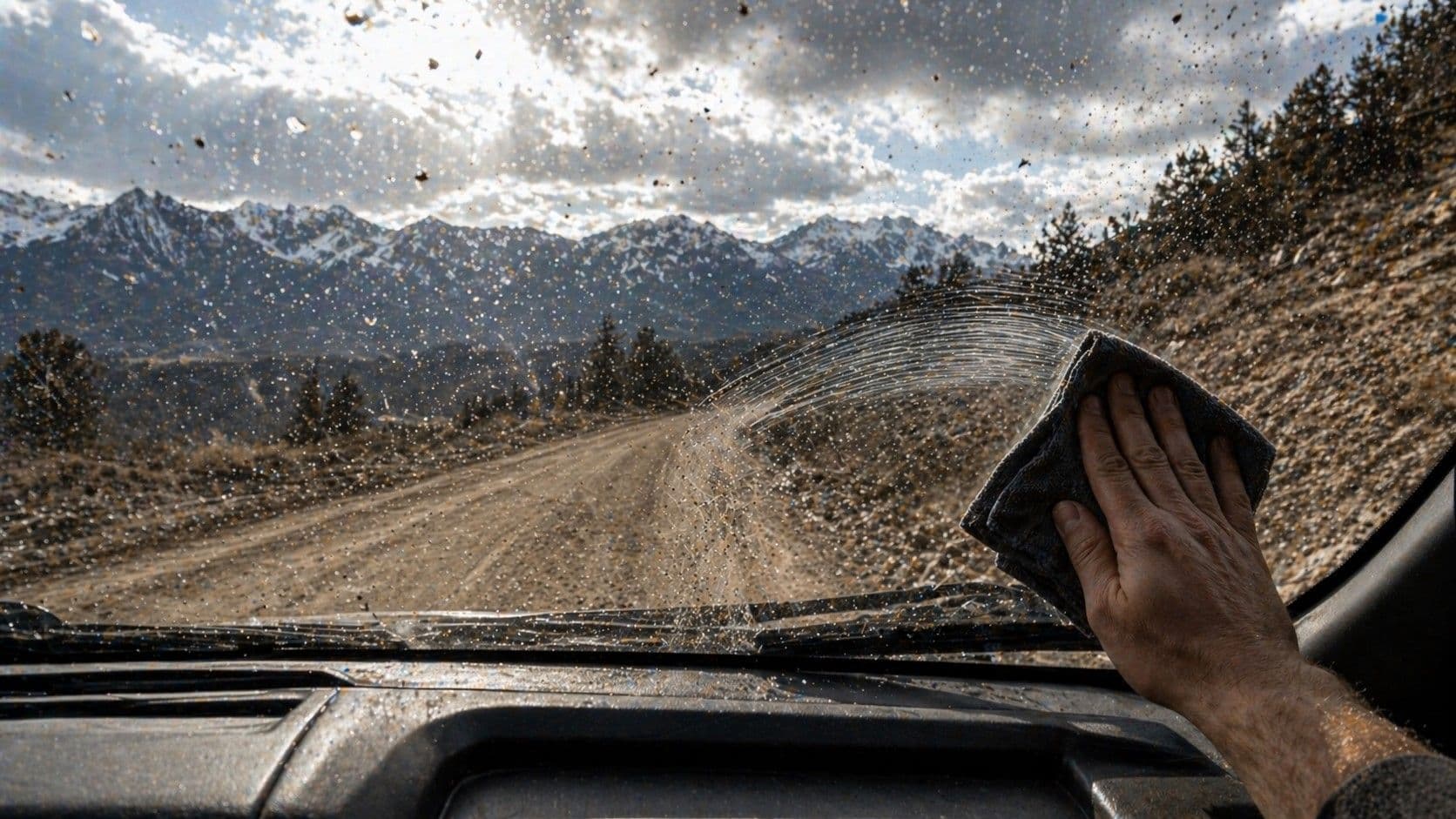
Long drives and rough roads can be tough on a car, which is why how to protect the windshield matters more than most people think. Flying stones on highways or loose gravel on uneven routes can easily leave behind chips or cracks. Even a normal road trip can end up damaging the glass without much warning. This is where car windshield protection becomes important, helping keep the glass clear, strong, and safe over time.
Windshield damage often happens suddenly during long drives, but the right precautions and protective solutions can significantly reduce the risk.
Here is a practical, prevention-first guide that outlines proven ways to protect your windshield across road trips and off-road drives.
Why Windshield Protection Matters During Long Drives and Off-Road Travel
A damaged windshield isn’t only a visual issue. It can make driving less clear and less safe, and repairs can get expensive. On highways, even a tiny stone can hit hard enough to cause a chip or crack in seconds.
Things get tougher on rough or off-road routes. Loose gravel and sand keep hitting the windshield, which increases the chances of damage over time. In newer cars, the windshield is also connected to sensors used for driver-assistance features, so fixing or replacing it can be quite expensive.
Small damage often goes unnoticed at first, yet it does not stay small for long. Changes in temperature or regular driving can turn a tiny chip into a long crack. Taking early action to prevent windshield cracks helps avoid bigger problems, keeps costs under control, and maintains clear visibility throughout the drive.
What Causes Windshield Damage on Highways and Rough Roads?
Understanding the sources of damage helps in applying the right windshield damage prevention strategies.
Flying Rocks & Gravel
This is one of the most common reasons windshields get damaged. Vehicles ahead, especially trucks, can throw small stones backward. Even a tiny rock can leave a chip if it hits with enough force.
Off-Road Terrain
Driving off-road puts the windshield at more risk. Loose stones and uneven ground keep sending small bits of gravel toward the glass.
Dirt, Bugs & Road Grime
Over time, dirt and insects build up and make it harder to see clearly. Cleaning with rough cloths or improper methods can also leave scratches on the surface.
Temperature Stress
Glass expands and contracts with changes in temperature. A small chip can turn into a bigger crack when exposed to heat or sudden cold.
All of these factors may seem minor on their own, but they can lead to bigger problems if ignored.
Best Ways to Protect Your Windshield from Chips and Cracks
Several methods work together to provide effective car windshield protection. Choosing the right combination depends on driving habits and terrain exposure.
Windshield Protection Film
Windshield protection film is one of the most effective solutions for impact resistance. It is a transparent layer applied over the glass, designed to absorb the force of small rocks and debris.
It works as a protective barrier, lowering the chances of chips and cracks. This makes it especially useful for cars that are often driven on highways or rough roads.
Most films last around 1 to 2 years, depending on usage and conditions. It is also a good option for vehicles with sensor-equipped windshields, where repairs can be more expensive.
Ceramic Coatings & Glass Sealants
Ceramic coating windshield benefits are more about keeping the glass clean and clear than stopping impacts. The coating adds a water-repelling layer, so rain, dust, and dirt don’t stick as easily.
They improve visibility during rain and make cleaning easier on long drives. They can also help reduce minor surface scratches over time.
Although they do not stop rock chips, they still play an important role in overall windshield care on long drives.
Maintain Safe Driving Distance
Keeping a safe distance from the vehicle ahead helps reduce the chances of stones or debris hitting the windshield. Driving too close, especially behind trucks or on gravel roads, increases the risk of damage.
Immediate Chip Repair Solutions
Carrying a windshield repair kit on a road trip can come in handy. It helps fill small chips before they start spreading.
A basic resin kit can hold a minor crack in place, and for very tiny chips, even clear nail polish can work as a quick stopgap fix.
Taking care of chips early helps stop them from growing bigger, especially with changes in temperature.
Combining these methods creates a layered protection approach, reducing both immediate and long-term damage risks.
Smart Driving Habits That Prevent Windshield Damage
The way a vehicle is driven has a significant impact on how well it protects the windshield from rocks and debris. A few simple changes in driving habits can help reduce the chances of damage.
Control Speed on Rough Roads
Driving fast on rough roads makes stone hits harder. Slowing down gives the windshield a better chance of avoiding damage.
Avoid High-Gravel Routes
Gravel roads throw up a lot of loose stones. Taking a smoother route, when possible, helps reduce that risk.
Be Cautious in Construction Zones
Construction areas are usually messy, with dust and small debris around. Slowing down and not driving too close to other vehicles helps here.
Careful driving like this can cut down on damage and avoid frequent repairs.
Windshield Cleaning and Visibility Care During Long Road Trips
On long drives, the windshield gets dirty pretty quickly. Bugs, dust, and grime can build up and make it harder to see clearly.
Wiping it clean from time to time helps. A soft microfiber cloth works better since it won’t scratch the glass, and a proper cleaner can handle the tougher dirt.
This kind of basic care also fits in with other road trip car protection tips, helping keep the car in good shape during the trip.
Off-Road Windshield Protection Tips for Rough Terrain Driving
Driving needs a bit more care when it comes to off-road windshield protection. The terrain can change quickly, so staying alert and in control helps avoid damage.
Following practical windshield protection tips in such conditions makes a noticeable difference in reducing risk.
- Drive at moderate speeds so debris doesn’t hit as hard
- Keep some distance from other vehicles to avoid flying gravel
- Avoid sudden braking, as it can kick up loose stones
- Try to choose paths with fewer rocks when possible
These small steps help reduce direct hits and lower the chances of sudden windshield damage.
What to Do If a Windshield Chip or Crack Happens Mid-Trip
Even with all the care, damage can still happen. What matters is how quickly it’s handled so it doesn’t get worse.
A small chip should be fixed as soon as it appears. A basic resin repair kit can help for the time being, especially until proper service is available. Avoid exposing the glass to very hot or cold conditions, since that can make cracks spread.
If the damage is bigger or near the edge, it’s best to have a professional check it. Cars that use advanced protection solutions, such as those from Global Hi-Tech Films, often see less severe impact, which makes repairs easier to handle.
Taking care of the issue early usually keeps costs lower and stops the damage from spreading further.
Is Windshield Protection Film Worth It?
To decide whether windshield protection film is worth it, consider its cost and compare it with what repairs or replacement might cost later.
Here’s a simple comparison to understand how effective it can be:
| Factors | Without Windshield Protection | With Windshield Protection |
|---|---|---|
| Rock Impact Resistance | Low | High |
| Chip/Crack Risk | High | Reduced |
| Replacement Cost Risk | High | Lower |
| Maintenance | Standard | Slightly higher |
| Lifespan Benefit | None | 1–2 years protection |
Windshield protection film works like an extra layer that takes the hit instead of the glass, helping lower the risk of expensive replacements.
For those who travel often or drive on rough roads, it can be a useful long-term investment.
Final Windshield Protection Checklist Before Every Long Drive
Following a simple routine can make windshield damage prevention easier, regardless of driving conditions.
- Keep a safe gap from the vehicle ahead
- Use windshield protection film to minimize the hit from small debris
- Apply ceramic coating to keep the surface cleaner and easier to maintain
- Carry a windshield repair kit on a road trip in case a chip shows up
- Take a quick look at the windshield before starting and during breaks
These small habits help keep things under control and lower the chances of damage.
Final Verdict: What is the Best Way to Protect Your Windshield?
Keeping the windshield in good shape is really about a combination of how the vehicle is driven and how well it’s looked after. There’s no one fix that prevents everything, but a few small steps together can make a big difference.
Catching chips early, taking basic care, and using some protection can help avoid bigger problems later. It also saves money and keeps the drive safer.
In the end, a bit of attention here and there can go a long way in reducing windshield damage on long trips and rough drives.
FAQs About Windshield Protection
- How can I protect my windshield from rocks while driving on highways? Keep a safe distance from vehicles ahead, especially trucks, and avoid driving too fast on debris-prone roads.
- Does windshield protection film really prevent chips and cracks? It helps absorb impact from small rocks and reduces the chances of chips, though it cannot stop very strong hits completely.
- What are the main causes of windshield damage during road trips? Flying rocks, gravel, road debris, temperature changes, and improper cleaning are the most common reasons.
- Is off-road driving more likely to damage your windshield? Yes. Loose gravel and uneven surfaces make it easier for stones to hit the glass and cause chips.
- How do I prevent windshield cracks on gravel or rough roads? Keep the speed low, leave enough space from other vehicles, and avoid sudden braking.
- What should I carry to protect my windshield on long drives? A simple repair kit, a soft microfiber cloth, and a glass cleaner can help handle minor issues on the go.
- Can small windshield chips turn into large cracks over time? They can. Even a tiny chip can spread if it’s ignored for too long.
- Does temperature change cause windshield cracks? Yes, sudden heat or cold can make existing chips expand into cracks.
- Is windshield protection film worth it for frequent travelers? For regular highway or off-road driving, it helps reduce damage and can save on repair costs.
- How long does windshield protection film last on a car? Usually around 1 to 2 years, depending on how and where the car is driven.
Read also
 Global Hi-Tech FilmsWindow Films
Does Automotive Window Film Affect GPS, Mobile Signals or Keyless Entry?
Does automotive window film affect GPS, mobile signals or keyless entry? Learn how film construction can influence vehicle connectivity and signals. Explore now.
 Global Hi-Tech FilmsArchitecture
Can Window Film Be Applied to Double-Pane and Low-E Glass?
Can window film be used on double-pane and Low-E glass? Learn about compatibility, glass types, thermal stress and key installation factors. Explore now.
 Global Hi-Tech FilmsWindow Films
Why Does Automotive Window Film Bubble, Peel or Change Color?
Discover why automotive window film bubbles, peels or changes color, the common causes of film failure, and how quality installation helps prevent damage.