

How to Remove Scratches from Your Car: DIY Methods, Professional Repairs & Prevention Tips
Learn how to remove scratches from your car with safe DIY methods, professional repair options and prevention tips to keep your paint protected for longer.
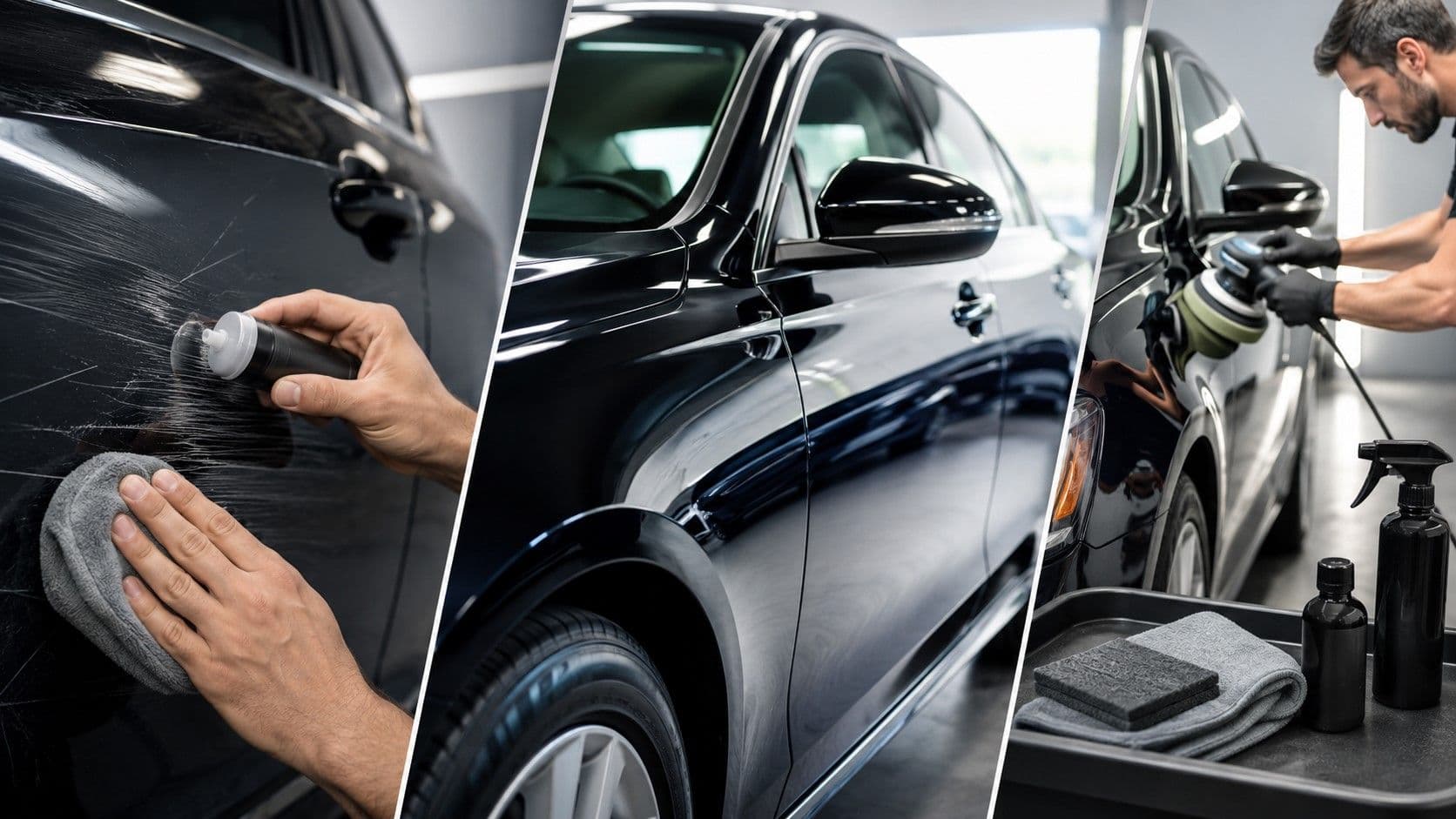
Wondering how to remove scratches from your car without paying for an expensive body shop repair? The solution depends on one thing, which is the depth of the scratch. Some light scratches can be removed in minutes with a rubbing compound, while deeper scratches require touch-up paint or professional repair. In this guide, you will learn how to identify the scratch type, choose the right repair method, avoid common mistakes, and discover how Paint Protection Film helps prevent future damage. Almost every vehicle develops unsightly marks from daily driving, but understanding your car scratch repair options ensures you make the right choice for your vehicle's finish.
Can All Car Scratches Be Removed? Understanding Which Scratches Can Be Fixed
Not every mark on your vehicle can be completely erased. The possibility of a full recovery depends entirely on how deeply the damage has penetrated the automotive paint layers.
Surface scratches confined to the clear coat can almost always be polished away completely. Paint scratches that have reached the base color layer can be improved significantly with touch-up paint, though the repair might remain slightly visible upon close inspection. However, deep scratches that have exposed the primer or bare metal cannot be buffed out. These require filling with paint to prevent rust, and while the structural integrity is restored, achieving a flawless factory finish usually requires professional blending.
How Much Does It Cost to Repair Car Scratches? DIY vs Professional Costs
Understanding the financial commitment for each repair method helps you budget effectively. The cost varies wildly depending on whether you perform the work yourself or hire a professional detailer.
To help you estimate the financial investment required for your specific situation, refer to the cost breakdown table below which outlines the approximate expenses for each car scratch repair method.
| Repair Type | Approximate Cost | Best Application |
|---|---|---|
| DIY Rubbing Compound | Low | Surface level clear coat marks |
| Touch Up Paint Kit | Moderate | Deep scratches down to the primer |
| Professional Detailing | Higher | Extensive swirl marks and light scratches |
| Full Panel Repaint | Highest | Severe damage exposing bare metal |
How to Identify Car Scratch Types Using the Fingernail Test
Before you purchase any car scratch remover or rubbing compound for car scratches, you must accurately assess the damage. Automotive paint consists of multiple layers, and the repair method depends entirely on which layer has been compromised. The most reliable way to determine this is by performing the fingernail test for car scratches.
Simply run your fingernail gently and perpendicularly across the mark. If your nail glides smoothly over the groove without catching, the damage is likely confined to the clear coat. If your fingernail catches in the groove, the scratch has penetrated deeper into the base coat, primer, or even the bare metal.
To help you accurately diagnose the damage before attempting any clear coat scratch repair, refer to the detailed comparison table below outlining the three primary types of automotive paint damage.
| Scratch Type | Fingernail Test Result | Visual Appearance | Water Test Reaction |
|---|---|---|---|
| Clear Coat Scratch | Nail glides smoothly without catching | Often invisible when dry, appears white or cloudy | Disappears completely when wet with soapy water |
| Paint Scratch | Nail catches slightly in the groove | Base color is missing, revealing a different shade or primer | Remains visible when wet, looks like a distinct line |
| Primer or Metal Scratch | Nail catches deeply in a wide groove | White, grey, or shiny bare metal is exposed | Remains highly visible, high risk of rust formation |
What Causes Car Scratches? Common Reasons and How to Avoid Them
Understanding the root causes of paint damage helps you avoid them in the future. The most common culprits include:
- Road Debris and Stone Chips: Highway driving exposes your vehicle to gravel and rocks kicked up by other tires, which can chip the paint down to the primer.
- Automatic Brush Washes: Older car washes use stiff, unmaintained brushes that drag dirt across your paint, creating widespread swirl marks and light scratches.
- Improper Washing Techniques: Using a dirty sponge, dry wiping dust, or using household towels can introduce micro-scratches into the clear coat.
- Environmental Hazards: Tree branches, overgrown shrubs, and even severe weather conditions can physically abrade the paint surface.
- Human Error: Keys, belt buckles, bags, and jewelry can easily gouge the paint when entering or exiting the vehicle.
- Improper Contaminant Removal: Wiping off bird droppings or bug splatter with a rough cloth without lubricating the surface first acts like sandpaper on your clear coat.
- Parking Mishaps: Tight parking spaces often result in door dings, shopping cart impacts, and scraped bumpers.
How to Remove Light Scratches from Car Paint at Home
If the fingernail test confirms you are dealing with a superficial clear coat scratch, you can easily perform this car scratch repair at home. This process levels the surrounding clear coat to make the scratch vanish. Before using any rubbing compound, test it on an inconspicuous area to ensure compatibility with your vehicle's paint finish.
Step 1: Clean the Area Properly
Wash the scratched panel thoroughly with dedicated car soap and water. This removes surface dirt that could cause further scratching during the repair process.
Step 2: Dry Using Microfiber
Dry the area completely using a clean, plush microfiber towel. Ensure no water spots remain.
Step 3: Apply Rubbing Compound
Place a dime-sized amount of a dedicated rubbing compound for car scratches onto a foam or microfiber applicator pad.
Step 4: Buff Scratches Out of Car
Rub the compound firmly into the scratch using small, overlapping circular motions. Apply moderate pressure for a few minutes. The mild abrasives in the compound will level the clear coat around the scratch.
Step 5: Inspect the Area
Wipe off the residue with a fresh, clean microfiber towel. Inspect the area under direct sunlight to see if the scratch has disappeared.
Step 6: Repeat if Needed
If the mark is still faintly visible, repeat the buffing process one more time. Do not overwork the area, as you risk burning through the clear coat.
Step 7: Protect Using Wax
Once the scratch is gone, the area will be stripped of its protective layers. Apply a high-quality car wax or sealant over the repaired area to restore gloss and protect the clear coat.
Pro Tip: Always use dedicated automotive compounds rather than household alternatives. Professional formulations contain precise abrasive sizes and chemical lubricants that cut safely without leaving hazing marks.
Can Toothpaste Remove Car Scratches? Myth vs Reality
The internet is full of hacks suggesting that standard whitening toothpaste can fix paint damage. While toothpaste does contain mild abrasives that can temporarily diminish the appearance of extremely fine surface scuffs, it is not a recommended car scratch remover.
Toothpaste lacks the specialized chemical lubricants found in automotive polish. Rubbing it aggressively on modern clear coats can actually leave behind micro-marring and a dull hazy finish. Furthermore, it does not contain the protective waxes or sealants needed to restore the surface after abrasion. For consistent and safe results, always use a dedicated scratch removal product designed specifically for automotive finishes.
How to Repair Deep Car Scratches Without Repainting
Learning how to fix deep scratches on car panels requires more patience and precision. If the scratch has penetrated the base coat or exposed the primer, buffing will not work. You must fill the gouge to prevent moisture from reaching the metal and causing rust.
Locate the Paint Code: Find your vehicle's specific paint code, usually located on a sticker inside the driver's side door jamb or under the hood. Purchase the exact matching touch-up paint for car applications, along with a matching clear coat and primer if necessary.
Clean and Mask: Wipe the scratch with isopropyl alcohol to remove all grease and wax. Apply fine masking tape around the scratch to protect the surrounding healthy paint.
Apply Primer and Paint: If the metal is exposed, apply a tiny drop of primer first.
Once dry, use the micro-brush or pen to apply the touch-up paint in very thin layers. Let it build up slightly higher than the surrounding paint level. Allow it to dry completely according to the manufacturer's instructions.
Apply Clear Coat: Carefully dab a thin layer of clear coat over the dried base paint to seal it and provide gloss.
Wet Sanding and Polishing: Once the clear coat has fully cured, use ultra-fine 3000-grit wet sandpaper wrapped around a small block to gently level the raised spot. Follow this with a cutting compound and a polishing pad to blend the repair and bring back the shine. Finish with a layer of wax.
Common Mistakes to Avoid: Applying the paint too thickly, sanding before the paint is fully cured, and using sandpaper that is too coarse are the most common errors that ruin DIY touch-up jobs.
DIY vs Professional Car Scratch Repair: Which Option Is Right for You?
Deciding whether to tackle the repair yourself or hire a professional depends entirely on the severity of the damage. Use the following decision matrix to determine the most appropriate course of action for your specific situation.
| Scratch Depth | Recommended Approach | Estimated DIY Difficulty | When to Call a Professional |
|---|---|---|---|
| Clear Coat Only | DIY Buffing and Polishing | Low | If the scratch covers a massive panel area |
| Base Coat Exposed | DIY Touch Up Paint | Medium to High | If you lack the patience for precise layering |
| Primer Exposed | Professional Repair Recommended | High | Always recommended to prevent rust |
| Bare Metal Visible | Professional Repair Required | Very High | Immediately to stop corrosion |
| Large Panel Denting | Professional Body Shop | Impossible | When structural or extensive paint removal is needed |
Best Products for Car Scratch Repair: Compound, Polish, Wax, Ceramic Coating & PPF
Navigating the aisles of an auto parts store can be overwhelming when you just want to fix a simple mark. Understanding the specific purpose of each chemical ensures you do not waste time or money on the wrong solution.
To help you select the correct product for your specific needs, review the DIY products comparison table below which details what each automotive chemical actually accomplishes.
| Product | Best For | Removes Scratch? |
|---|---|---|
| Rubbing Compound | Clear coat scratches | Yes |
| Polish | Swirl marks and hazing | Yes |
| Wax | Protection and gloss | No |
| Touch Up Paint | Deep scratches | Yes |
| Ceramic Coating | Chemical resistance | No |
| Paint Protection Film | Future scratch prevention | Yes |
Common Mistakes That Can Make Car Scratches Worse
Attempting a quick fix with the wrong materials can permanently damage your vehicle's finish. Avoid these common errors:
- WD-40 or Vaseline: These oily substances only temporarily fill the scratch and change how light reflects off it. They wash away immediately and offer no actual repair.
- Nail Polish: Standard nail polish is not compatible with automotive clear coats. It will peel, discolor, and make professional repair much more difficult.
- Household Polish: Furniture or metal polishes are too abrasive or contain chemicals that will strip and haze automotive paint.
- Kitchen Sponges: The rough green scouring side of a kitchen sponge will instantly destroy your clear coat.
- Dry Wiping Dust: Wiping a dusty car with a dry cloth acts like sandpaper, creating hundreds of new swirl marks.
- Wrong Grit Sandpaper: Using coarse sandpaper meant for wood or metal will gouge the paint instantly. Only use automotive-grade wet sandpaper.
- Excessive Polishing: Buffing the same spot for too long with a machine polisher can generate excessive heat and burn through the clear coat entirely.
How to Prevent Car Scratches and Protect Your Vehicle's Paint
The most cost-effective strategy for maintaining your vehicle's appearance is prevention. Adopt these habits to protect car paint from scratches:
- Proper Washing: Always use the two-bucket method with grit guards. Use a clean microfiber wash mitt and plenty of lubricating car shampoo.
- Safe Drying: Use a dedicated, clean microfiber drying towel or a forced-air dryer to prevent friction-based marring.
- Smart Parking: Park away from shopping carts, avoid parking next to vehicles with wide-opening doors, and steer clear of areas under overhanging trees.
- Quick Contaminant Removal: Remove bird droppings, bug splatter, and tree sap immediately using a detail spray and a soft microfiber towel.
- Avoid Brush Washes: Opt for touchless automatic car washes or hand washing to prevent mechanical abrasion.
- Regular Protection: Apply a high-quality wax or sealant every few months to provide a sacrificial layer against minor friction.
However, even with meticulous maintenance, stone chips, highway debris, and accidental contact cannot always be avoided. This is where advanced protective solutions become necessary.
Why Paint Protection Film (PPF) Is the Best Long-Term Solution for Scratch Protection
Unlike waxes and sealants that offer temporary protection, Paint Protection Film (PPF) creates a durable, transparent barrier over your vehicle's paint. Since automotive paint is only around 100–150 microns thick, it is vulnerable to stone chips, road debris, and everyday scratches. PPF absorbs these impacts, protecting the original paint underneath.
Compared to ceramic coating, which primarily provides chemical resistance and gloss, self-healing PPF is designed to resist physical damage. Premium PPF can heal minor swirl marks and light surface scratches when exposed to heat, while its hydrophobic and UV-resistant properties help keep your vehicle cleaner and protect the paint from fading.
If you've already repaired scratches, installing a high-quality PPF is one of the most effective ways to prevent future damage. It helps protect against stone chips, road debris, and minor abrasions while preserving your vehicle's appearance and resale value. Premium solutions from Global Hi-Tech Films combine advanced self-healing technology with long-lasting durability for reliable paint protection.
Final Thoughts: Repair Scratches Correctly and Protect Your Car for the Long Term
Successfully repairing your vehicle depends entirely on identifying the scratch depth. Not every mark requires repainting. DIY methods like buffing with a rubbing compound work exceptionally well for superficial clear coat damage. However, deep scratches that expose the primer or metal require precise touch-up paint application or professional intervention to prevent rust.
Ultimately, the most cost-effective strategy is prevention. While proper washing techniques and regular waxing go a long way, installing a high-quality Paint Protection Film is the best long-term investment for preserving your factory paint against the harsh realities of daily driving. By combining immediate, correct repairs with proactive protection, you ensure your vehicle remains flawless and retains its maximum value for years to come.
FAQs About Car Scratch Repair
- Can all car scratches be removed? Not all scratches can be completely removed. Light scratches that only affect the clear coat can often be polished away using a rubbing compound. However, deeper scratches that penetrate the paint, primer, or expose bare metal usually require touch-up paint or professional repair.
- How do I know if a scratch is too deep? Use the fingernail test. If your fingernail catches in the scratch, it has likely penetrated beyond the clear coat and may require touch-up paint or professional attention. If your nail glides smoothly over the scratch, it is usually a surface-level clear coat scratch that can often be repaired at home.
- Can toothpaste remove car scratches? Toothpaste may reduce the appearance of very fine surface scuffs because it contains mild abrasives, but it is not designed for automotive paint. Dedicated scratch removers and polishing compounds provide safer and more reliable results.
- Does WD-40 remove car scratches? No. WD-40 does not repair scratches. It may temporarily make scratches less noticeable by filling them with oil, but the effect disappears after washing and does not restore the paint.
- Can I repair deep car scratches myself? Yes, minor deep scratches can be repaired using the correct touch-up paint, primer, and clear coat. However, if the scratch exposes bare metal, covers a large area, or is accompanied by dents, professional repair is recommended.
- Should I use a rubbing compound or polish? A rubbing compound is designed to remove light scratches and oxidation by cutting into the clear coat. A polish is less abrasive and is mainly used to restore gloss and remove minor swirl marks after compounding.
- Does ceramic coating prevent scratches? Ceramic coating helps protect against UV rays, chemicals, and contaminants, but it does not provide significant protection against physical scratches or stone chips. It is best used for surface protection rather than impact resistance.
- Is Paint Protection Film (PPF) better than ceramic coating for scratch protection? For protection against scratches and stone chips, Paint Protection Film (PPF) is generally the better option. It creates a durable physical barrier over the paint, while ceramic coating primarily enhances gloss and makes cleaning easier.
- Can self-healing Paint Protection Film remove scratches? Self-healing Paint Protection Film can eliminate light scratches and swirl marks that occur on the surface of the film when exposed to heat from sunlight or warm water. However, it cannot repair scratches that have already damaged the vehicle's paint beneath the film.
- Should I install Paint Protection Film after repairing scratches? Yes. If your vehicle has been repaired or repainted, installing Paint Protection Film afterward helps protect the restored paint from future scratches, stone chips, road debris, and everyday wear, helping maintain its appearance for longer.
Read also
 Global Hi-Tech FilmsWindow Films
Does Automotive Window Film Affect GPS, Mobile Signals or Keyless Entry?
Does automotive window film affect GPS, mobile signals or keyless entry? Learn how film construction can influence vehicle connectivity and signals. Explore now.
 Global Hi-Tech FilmsArchitecture
Can Window Film Be Applied to Double-Pane and Low-E Glass?
Can window film be used on double-pane and Low-E glass? Learn about compatibility, glass types, thermal stress and key installation factors. Explore now.
 Global Hi-Tech FilmsWindow Films
Why Does Automotive Window Film Bubble, Peel or Change Color?
Discover why automotive window film bubbles, peels or changes color, the common causes of film failure, and how quality installation helps prevent damage.