

How to Spot a Bad PPF Install Before It’s Too Late
Learn how to identify a bad PPF installation early. Spot bubbles, lifting edges, dust, misalignment, and other signs before they become costly problems.
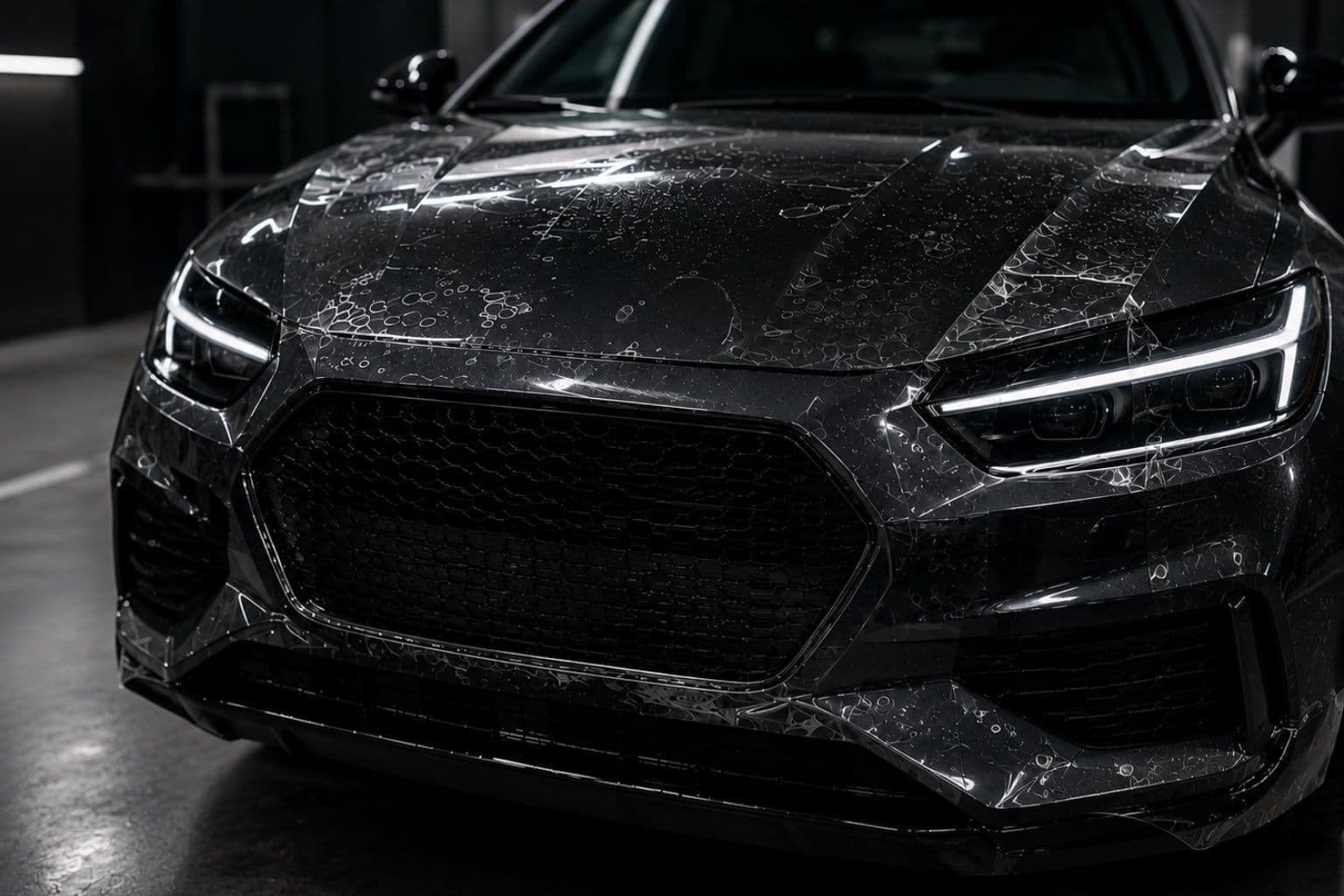
A PPF install should be almost invisible. When Paint Protection Film is installed correctly, it protects your vehicle from rock chips, scratches, and road debris without affecting its appearance. A bad PPF install, however, can quickly show signs such as PPF bubbles, PPF peeling edges, visible seams, haze, trapped dirt, and even PPF blade marks that may damage the paint underneath.
Some PPF installation problems are visible immediately, while others appear days or weeks later as the film cures. Spotting these issues early can help you avoid costly repairs and warranty disputes.
This guide covers the most common signs of a poor installation and what to check before accepting the vehicle.
How to Spot a Bad PPF Install: Quick Answer
A quick inspection can show whether the installation meets professional standards. Check the edges, corners, and seams for PPF peeling edges, PPF lifting edges, exposed film lines, PPF bubbles, PPF silvering, haze, trapped dust, uneven cutouts, and PPF blade marks. If you spot any of these issues, ask the installer to inspect and correct them before they turn into bigger paint protection film problems.
What Does a Proper PPF Installation Look Like?
Before identifying installation flaws, it helps to understand what quality workmanship should look like.
A properly installed Paint Protection Film should appear almost invisible once it has fully cured. The film should blend naturally with the vehicle's finish without distracting reflections or uneven textures.
Key characteristics of a quality installation include:
- Crystal-clear film clarity
- Minimal or hidden visible seams
- Proper edge wrapping wherever possible
- Smooth surface without trapped dust or debris
- Even reflections across every panel
- Accurate alignment around sensors, lights, badges, and door handles
Good workmanship comes from careful attention to detail. The result is reliable protection and a neat, long-lasting finish.
Common Signs of a Bad PPF Installation
Several warning signs can indicate poor workmanship. The following table highlights the most common PPF install defects and what they usually mean.
| Warning Sign | What It Means |
|---|---|
| PPF peeling edges | Poor adhesion or missed edge wrapping |
| Visible seams | Incorrect pattern alignment |
| Trapped dust | Poor surface preparation or dirty workspace |
| Air bubbles | Improper squeegee technique or curing |
| PPF silvering | Micro-bubbles or trapped installation solution |
| Haze | Poor film quality or incorrect installation pressure |
| Stretch marks | Film was overstretched during installation |
| Coverage gaps | Paint remains exposed |
| Crooked cutouts | Poor trimming or alignment |
| PPF blade marks | Possible paint damage from cutting on the vehicle |
These PPF installation mistakes may seem minor initially, yet many become more noticeable as the film settles and ages.
PPF Edges or Corners Are Lifting
The edges often reveal the quality of the entire installation. They are also the first areas where problems usually appear.
Inspect the hood, fenders, doors, mirrors, and bumpers carefully. Look for edge lifting, curling corners, or PPF lifting edges that no longer sit flush against the paint. Film that stops well before the panel edge instead of using proper edge wrapping may begin lifting much sooner.
Dirt collecting along exposed film edges is another warning sign. As contaminants enter these gaps, adhesion weakens, and the film is more likely to peel over time.
Properly wrapped edges stay cleaner, last longer, and give the installation a more seamless finish.
PPF Has Bubbles, Silvering or Trapped Dirt
Not every bubble is a reason to panic, though some deserve immediate attention.
Small moisture pockets sometimes disappear naturally during the curing process. Larger air bubbles, however, usually require correction by the installer.
Pay close attention to the following:
- Permanent PPF bubbles
- PPF silvering visible as cloudy streaks or tiny micro-bubbles
- Trapped dust, hair, or debris beneath the film
- Uneven areas that disrupt the finish
Contaminants trapped beneath the film never disappear on their own. They usually indicate poor surface preparation or an unclean installation environment.
Inspect every panel under direct sunlight or bright LED lighting. Many defects remain hidden indoors and become obvious only in stronger light.
A careful inspection at this stage can prevent long-term paint protection film problems.
PPF Looks Hazy, Dull or Uneven
The appearance of the film says a great deal about the overall installation quality.
A properly installed Paint Protection Film should be almost invisible. Gloss finishes should look uniform across every panel, while matte finishes should have an even texture without darker or lighter patches.
Look for haze, dull spots, blotches, or distorted reflections. Wavy reflections can indicate stretch marks caused by over-stretching the film during installation.
Poor film clarity may result from low-quality material or improper installation. Either way, it affects both protection and appearance.
A consistent finish is a clear sign of professional PPF installation.
PPF Has Misaligned Cutouts or Coverage Gaps
Even premium film cannot make up for poor alignment.
Inspect cutouts around cameras, parking sensors, headlights, taillights, badges, mirrors, and door handles. They should be even and accurately positioned.
Look closely for:
- Uneven or crooked cutouts
- Coverage gaps exposing painted surfaces
- Film stopping short of panel edges
- Misaligned sections between adjacent panels
Poor alignment becomes more noticeable as dirt collects along exposed paint edges.
Precise installation and well-designed patterns provide better paint coverage and a cleaner finish.
Blade Marks Are Visible Near the PPF Edges
Among all PPF install defects, PPF blade marks are one of the most serious warning signs.
These fine cuts occur when installers trim the film directly on the vehicle, potentially damaging the clear coat and paint.
Inspect carefully around film edges, corners, emblems, headlights, and body lines for fine scratches running parallel to the film edge.
If you suspect blade marks, request an inspection before accepting the vehicle and document the issue for any future warranty claim.
A professional installer should use safe cutting techniques instead of cutting corners.
Why Rushed PPF Installation Causes Problems
Many PPF installation problems come down to poor preparation. When the job is rushed, important steps are often missed.
Washing, paint decontamination, surface inspection, and curing time all matter. Skipping them often results in PPF bubbles, trapped contaminants, poor adhesion, and early edge lifting.
A clean installation bay is equally important. Dust, hair, and debris can become trapped beneath the film, while poor edge wrapping leaves the film more prone to peeling.
Although fast turnaround may seem attractive, quality installation depends on precision rather than speed. Allowing the film to bond properly helps prevent common paint protection film problems and ensures long-lasting protection.
How to Inspect PPF Before You Accept the Car
Don't drive away without checking the PPF. A few minutes of inspection can help you catch problems while the installer can still fix them.
During your inspection, check the following:
- Inspect the vehicle under bright natural light or high-quality LED lighting.
- Examine all edges, corners, and seams first.
- Look closely at bumpers, mirrors, and curved panels.
- Check cutouts around lights, sensors, cameras, badges, and door handles.
- Watch for trapped dust, haze, PPF bubbles, PPF silvering, or coverage gaps.
- Run your fingers gently along the edges to detect any PPF lifting edges.
- Take clear photos before driving away if you notice any defects.
Completing this inspection before accepting the vehicle makes it easier to request corrections while the installation is still fresh.
Can a Bad PPF Installation Be Fixed?
Finding defects does not always mean the film must be completely replaced. Many issues from a bad paint protection film installation can be corrected if they are identified early.
Contact the installer as soon as possible and explain the concerns with clear photos or videos. Most reputable shops prefer inspecting the vehicle before the film has fully cured.
Avoid peeling, trimming, or attempting to repair the film yourself. Self-repairs can make the damage worse and may affect a warranty claim.
If genuine defects are not corrected, reach out to the film manufacturer if the installer is an authorized dealer. Save your photos and installation records for future reference.
Reporting the issue early often helps resolve it faster.
How to Choose a Professional PPF Installer
Choosing the right installer is just as important as selecting premium Paint Protection Film. Even the best film, including solutions from Global Hi-Tech Films, depends on skilled installation to perform well over time.
Before booking your installation, consider the following:
- Check the installer's experience with professional PPF installation.
- Ask to see photos of completed projects.
- Visit the workshop to make sure the installation bay is clean.
- Ask if they use proper edge wrapping and computer-cut patterns.
- Confirm warranty coverage for both the film and the installation.
- Be cautious of unusually low prices or unrealistic installation timelines.
A reliable installer should be able to explain the process, answer your questions, and stand behind their work. Strong installer quality greatly reduces the risk of PPF installation mistakes.
Choosing the right installer is often more important than choosing the lowest price.
Final Thoughts on Identifying a Bad PPF Install
A bad PPF install can affect both the appearance of the vehicle and the protection the film is meant to provide. The signs of bad PPF installation, such as loose edges, PPF bubbles, PPF silvering, uneven cutouts, or PPF blade marks, are easier to fix when identified early.
Take a few minutes to inspect the installation before accepting your vehicle and raise any concerns with the installer immediately. Catching problems early can help avoid bigger repairs later.
In the end, long-lasting results depend on two things: high-quality Paint Protection Film and an experienced installer who knows how to apply it properly.
FAQs About PPF Installation Problems
- How can you tell if PPF was installed badly? Look for bubbles, lifting edges, trapped dust, uneven cutouts, visible seams, or blade marks. These are common signs of a poor installation.
- Are bubbles normal after PPF installation? Yes, a few small moisture bubbles are common after installation. They usually disappear on their own within a few days.
- Why are my PPF edges lifting? Lifting edges usually mean the film hasn't bonded properly. Poor preparation or installation is often the reason.
- What is silvering in Paint Protection Film? Silvering looks like tiny cloudy spots or fine air pockets under the film. It happens when the film doesn't bond evenly.
- Can trapped dust under PPF be fixed? It depends on the size and location. Small defects may be corrected, while larger ones often need a new piece of film.
- Are visible PPF seams a bad sign? No. Seams are normal in some areas, but they should be clean, straight, and not stand out.
- What do PPF blade marks look like? Blade marks are thin scratches close to the film edge. They often follow the same line as the trim cut.
- Can a bad PPF install damage car paint? Yes. Deep blade marks or poor installation can damage the clear coat and, in some cases, the paint underneath.
- How soon do PPF installation problems appear? Some problems show up before you leave the shop. Others become noticeable after a few days as the film settles.
- What should I do if my PPF install looks bad? Don't try to fix it yourself. Take a few photos and ask the installer to inspect the vehicle as soon as possible.
Read also
 Global Hi-Tech FilmsWindow Films
Does Automotive Window Film Affect GPS, Mobile Signals or Keyless Entry?
Does automotive window film affect GPS, mobile signals or keyless entry? Learn how film construction can influence vehicle connectivity and signals. Explore now.
 Global Hi-Tech FilmsArchitecture
Can Window Film Be Applied to Double-Pane and Low-E Glass?
Can window film be used on double-pane and Low-E glass? Learn about compatibility, glass types, thermal stress and key installation factors. Explore now.
 Global Hi-Tech FilmsWindow Films
Why Does Automotive Window Film Bubble, Peel or Change Color?
Discover why automotive window film bubbles, peels or changes color, the common causes of film failure, and how quality installation helps prevent damage.