

New Car Protection Checklist: 15 Things to Do After Buying a New Car
Follow this new car protection checklist with 15 essential things to do after buying a new car to protect its paint, interiors, tyres and long-term value.
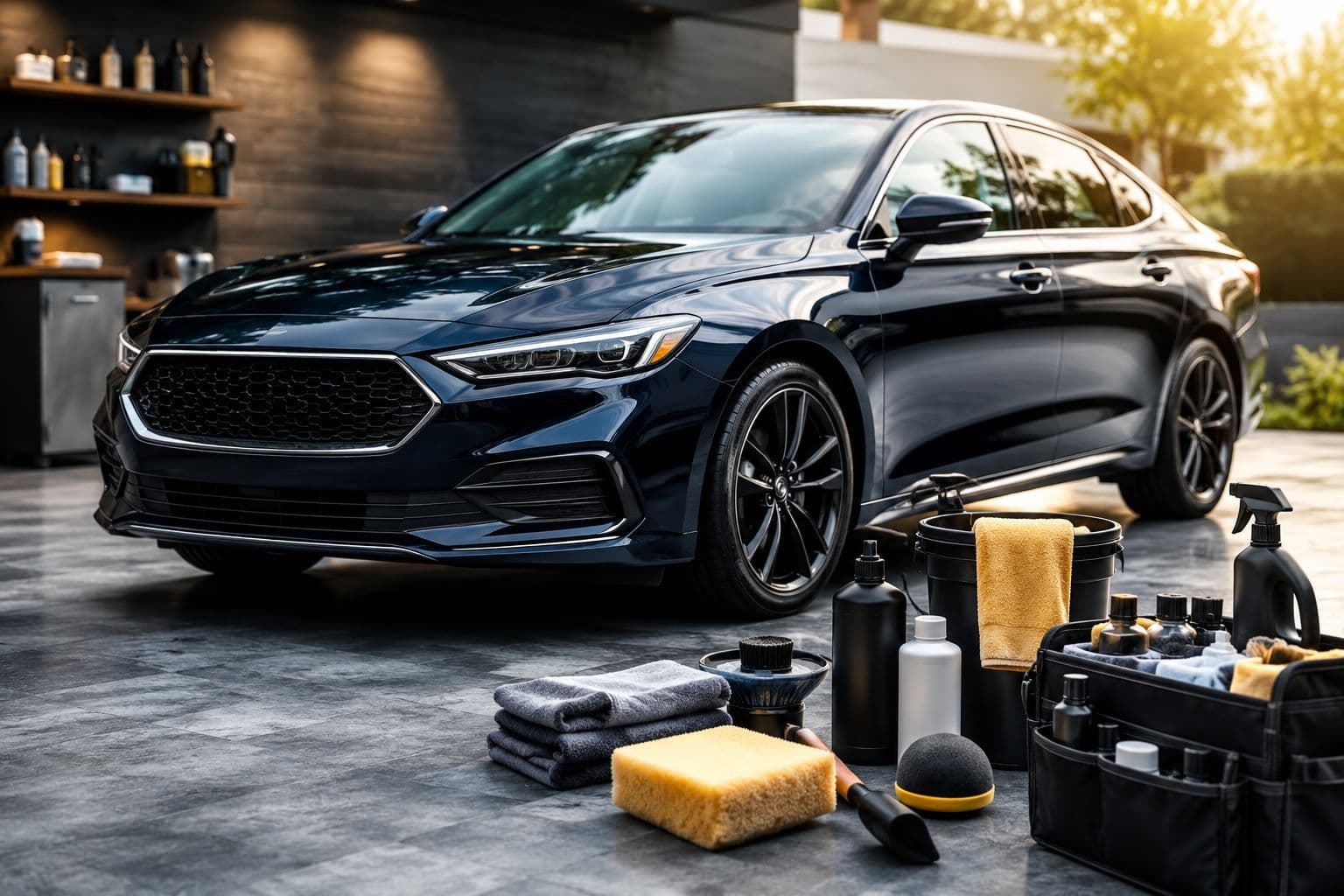
The excitement of driving a brand new car off the lot is unmatched, but that flawless factory finish is on borrowed time. A single stray stone chip, a careless door ding, or harsh environmental exposure can compromise your investment faster than you might think. If you want to know how to protect a new car, relying on luck is not enough. A proactive new car protection checklist is the best way to prevent premature wear, preserve that pristine showroom shine, and maintain your vehicle's long-term resale value. This comprehensive guide outlines the 15 essential things to do after buying a new car to ensure it stays in perfect condition for years to come.
What Should You Do Immediately After Buying a New Car?
The first few weeks of ownership are the most critical period for your vehicle. A new car's factory finish is in its original condition, making early protection a practical way to minimise exposure to road debris, contaminants and environmental damage. The most important things to do after buying a new car include applying new car paint protection, setting up interior safeguards, and understanding your manufacturer's break-in procedures. Implementing a proactive new car care checklist immediately ensures you are preserving the factory finish rather than trying to repair damage later.
New Car Protection Checklist: 15 Things to Do After Buying a New Car
The following checklist covers exterior protection, interior care, safety and routine maintenance.
1. Document Your New Car's Initial Condition
Before applying any films or coatings, take high-resolution photographs of the vehicle's exterior and interior in good lighting. This creates a baseline record of the car's pristine condition, which is invaluable for insurance purposes or if you ever need to dispute a dealership claim regarding pre-existing damage.
2. Read the Owner's Manual and Maintenance Guidelines
The owner's manual is the definitive new car maintenance guide for your specific vehicle. Take the time to read it, paying special attention to the engine break-in procedures, recommended fluid types, and the manufacturer's scheduled maintenance intervals. Understanding your car's specific needs prevents costly mistakes.
3. Check and Set the Tyre Pressure
Tires often sit on dealership lots for weeks, and their pressure can drop. Check all four tires, including the spare, and inflate them to the manufacturer's recommended PSI, which is typically found on a sticker inside the driver's side door jamb. Proper inflation ensures optimal fuel efficiency, handling, and tire longevity.
4. Follow the Manufacturer's Break-In Guidance
Respect the engine break-in period. Follow the break-in instructions specified in your owner's manual, as recommendations vary by manufacturer and vehicle. This allows the internal engine components, piston rings, and brakes to seat properly, ensuring optimal performance and fuel efficiency for the life of the vehicle.
5. Set Up Your New Car Maintenance Schedule
Do not wait for a warning light to appear. Set calendar reminders for your first oil change, tire rotation, and annual inspections based on the manufacturer's guidelines. Consistent, preventive maintenance is the foundation of long-term vehicle reliability.
6. Activate Your New Car Warranty and Roadside Assistance
Ensure your vehicle is properly registered with the manufacturer to activate your warranty. Take this opportunity to download the manufacturer's mobile app, which often provides digital service records, remote start capabilities, and direct access to 24/7 roadside assistance.
7. Apply Paint Protection Film (PPF) to Protect the Paint
One of the most effective ways to protect new car paint from stone chips and road debris is Paint Protection Film (PPF). This transparent, thermoplastic urethane layer acts as a physical shield against minor scratches. Premium new car PPF, such as those from Global Hi-Tech Films, features advanced self-healing properties and UV inhibitors. This ensures the film itself will not yellow over time, keeping your vehicle's front end looking flawless for a decade or more.
8. Consider Ceramic Coating for Your New Car
Ceramic coating creates a durable hydrophobic layer over the paint that helps resist water, dirt and certain contaminants. Unlike PPF, however, it is not designed to absorb stone-chip impacts. It repels road grime, making the car dramatically easier to wash, and offers excellent resistance against UV oxidation and chemical stains from bird droppings.
9. Install Quality Automotive Window Film
High-quality window tinting is not just for aesthetics. It blocks harmful ultraviolet and infrared radiation, which is the most effective way to protect a new car from sun damage. This significantly reduces cabin heat and protects your interior upholstery from fading and cracking, while also adding a layer of privacy.
10. Protect Your New Car's Interior Upholstery
If your vehicle has fabric seats, apply a specialized fabric protectant spray to create a hydrophobic barrier against accidental spills. For leather interiors, condition the surfaces monthly with a premium leather conditioner. This keeps the material supple and prevents it from drying out, cracking, or tearing due to friction and heat.
11. Install All-Weather Floor Mats for Interior Protection
Factory carpet mats offer minimal protection against mud, water, and spilled drinks. Heavy-duty, custom-fit rubber or all-weather floor mats feature raised edges that trap liquids and dirt, preventing them from seeping into the underlying carpet and causing mold, odors, or rust.
12. Install Mud Flaps to Protect the Car's Lower Body
Mud flaps are a simple, cost-effective addition that protects the lower body panels. Mounted behind the tires, they catch gravel, mud, and road salt kicked up by your own wheels. This is a proven method for how to protect car paint from road debris and prevent corrosion on the rocker panels.
13. Protect Door Edges From Chips and Scratches
Parking lots are hazardous for new car doors. Installing clear or color-matched door edge guards prevents paint chips and dents when opening doors near walls, pillars, or other vehicles. This is a small investment that teaches you how to protect a car from scratches in tight spaces.
14. Install a Dashcam for Safety and Security
A dashcam is an essential tool for modern vehicle ownership. It records driving incidents, provides evidence in the event of an accident, and offers security monitoring while the car is parked. Many modern systems include parking mode, which records impacts or motion when the vehicle is turned off.
15. Prepare a New Car Emergency Kit
Do not wait for a breakdown to gather supplies. Assemble a comprehensive emergency kit for your trunk. Include a portable tire inflator, jumper cables or a portable jump starter, a first aid kit, a flashlight, reflective warning triangles, and basic tools.
Should You Get PPF on a New Car?
If you plan to keep your vehicle for more than a few years, investing in car paint protection is highly recommended. When evaluating whether PPF is worth it for a new car, consider the cost of repainting a hood or bumper versus the one-time cost of a full front-end PPF package. PPF provides a physical barrier against many forms of road debris and stone-chip damage. By reducing the likelihood of paint chips and exposed areas, PPF can help minimise the risk of damage that may eventually contribute to corrosion. For the ultimate defense, many owners combine PPF with a ceramic coating.
To help you evaluate your car paint protection options, review the comprehensive comparison table below that outlines the differences between these two premier exterior car protection methods.
| Protection Type | Primary Function | Lifespan | Best For |
|---|---|---|---|
| Paint Protection Film | Physical barrier against rock chips and scratches | 7 to 10 years | Maximum impact protection and preserving factory paint |
| Ceramic Coating | Chemical barrier providing hydrophobic properties | 2 to 5 years | Easier washing, gloss enhancement, and chemical stain resistance |
| Combined Protection | Ultimate physical and chemical defense | 7 to 10 years | Owners seeking the absolute best protection for new car paint |
Common New Car Protection Mistakes to Avoid
Even with the best intentions, many drivers accidentally compromise their new vehicle's condition. Avoid these common pitfalls to keep your car in perfect shape.
- Using automatic brush car washes: The stiff bristles and dirty cloth strips drag accumulated grit across your fresh paint, creating hundreds of micro scratches and swirl marks.
- Washing with dish soap: Household detergents are highly alkaline and will strip away any protective sealants, leaving the paint vulnerable to the elements.
- Delaying paint protection: Waiting months to apply film or coating means the paint has already accumulated microscopic damage that must be corrected before protection can be applied.
- Leaving debris on the paint: Bird droppings and tree sap are highly acidic. If left in the sun, they can etch through the clear coat in a matter of hours.
- Ignoring minor warning lights: A yellow dashboard indicator is an early warning system. Addressing it immediately prevents a minor sensor issue from becoming a major mechanical failure.
How to Protect Your New Car From Day One
Protecting a new vehicle requires a proactive approach from the moment you drive it off the lot. By following this new car protection checklist, you establish a foundation of care that prevents premature wear and tear. Investing in physical barriers like Paint Protection Film, maintaining a clean interior, and adhering to a strict maintenance schedule are not just cosmetic choices. They are financial decisions that preserve your vehicle's reliability, safety, and resale value. Take action early, avoid common detailing mistakes, and your new car will continue to look and perform like it just left the showroom for years to come.
New Car Protection FAQs
- Should I get PPF immediately on a new car? Yes. Applying PPF early helps protect the factory paint from stone chips, road debris and minor scratches, especially if you drive on highways or park outdoors.
- When should I apply PPF to a new car? Ideally, PPF should be installed as early as practical, before significant exposure to road debris and contaminants. Applying it while the paint is in good condition can also minimise the need for paint correction.
- Is PPF necessary for a new car? PPF is not mandatory, but it can help preserve the factory finish by protecting against stone chips, road debris and minor surface damage.
- Is PPF worth it for a new car? PPF can be worthwhile if you frequently drive on highways, park outdoors or plan to keep your car for several years. It helps maintain the vehicle's original appearance.
- Should you ceramic coat a new car? Yes, ceramic coating can help repel water, dirt and contaminants while making the car easier to clean. It also provides additional surface protection against environmental exposure.
- Is PPF or ceramic coating better for a new car? They serve different purposes. PPF protects against physical damage such as stone chips, while ceramic coating provides hydrophobic and surface protection. They can also be used together.
- What parts of a new car should get PPF? High-impact areas such as the front bumper, bonnet, front fenders, side mirrors and door edges are common PPF coverage areas. The ideal coverage depends on your driving conditions.
- How do you protect a new car from sun damage? Regular cleaning, suitable paint protection and quality automotive window film can help. Window film can reduce UV exposure and solar heat entering the cabin.
- How do you protect a new car's interior? Use quality floor mats, clean spills promptly and use suitable products for leather or fabric surfaces. Window film can also help reduce heat and UV exposure inside the cabin.
- What should you not do after buying a new car? Avoid harsh cleaning products, abrasive washing methods and automatic brush washes. Also, don't delay scheduled maintenance or leave bird droppings and tree sap on the paint for long periods.
Read also
 Global Hi-Tech FilmsWindow Films
Does Automotive Window Film Affect GPS, Mobile Signals or Keyless Entry?
Does automotive window film affect GPS, mobile signals or keyless entry? Learn how film construction can influence vehicle connectivity and signals. Explore now.
 Global Hi-Tech FilmsArchitecture
Can Window Film Be Applied to Double-Pane and Low-E Glass?
Can window film be used on double-pane and Low-E glass? Learn about compatibility, glass types, thermal stress and key installation factors. Explore now.
 Global Hi-Tech FilmsWindow Films
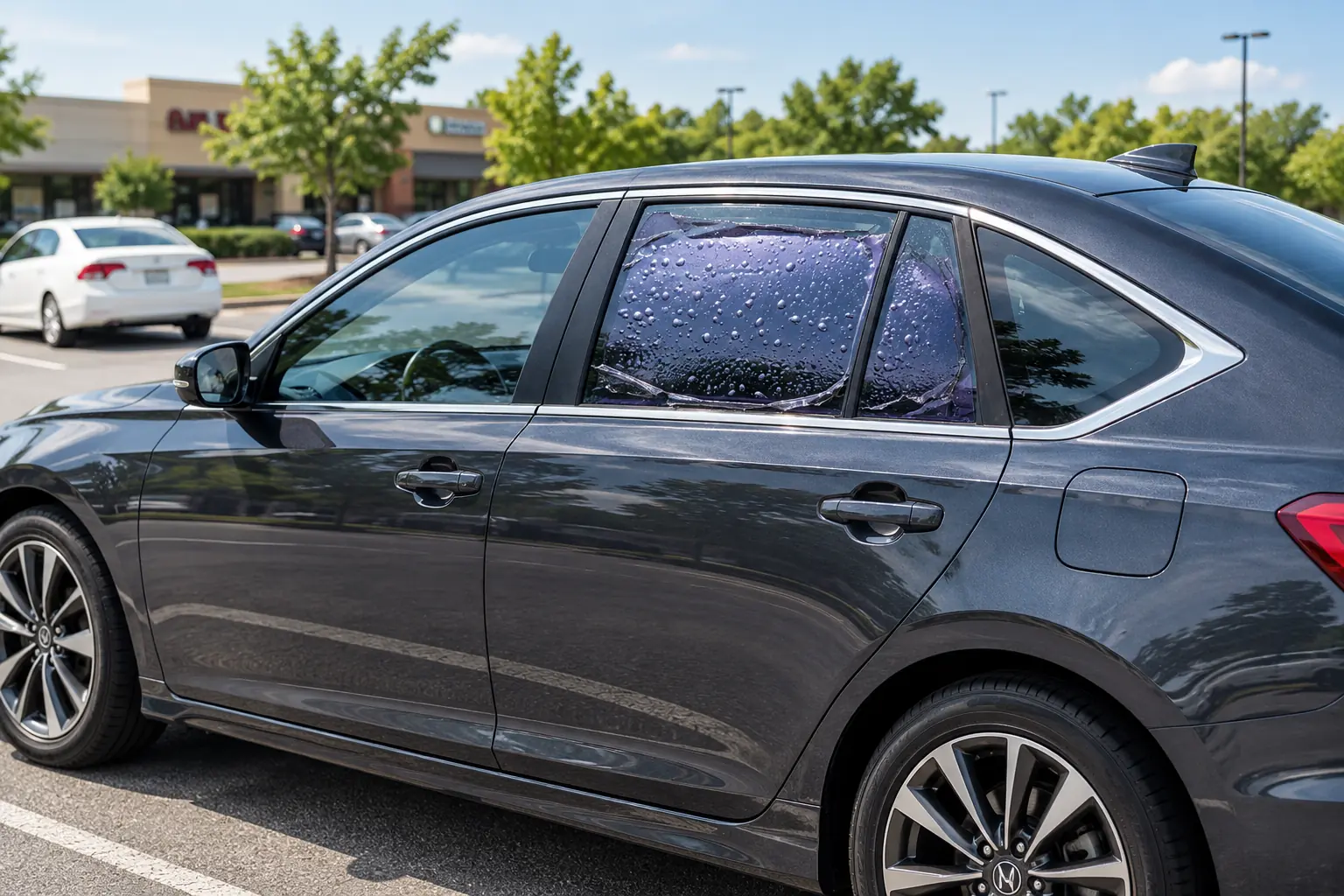
Why Does Automotive Window Film Bubble, Peel or Change Color?
Discover why automotive window film bubbles, peels or changes color, the common causes of film failure, and how quality installation helps prevent damage.