

Can You Combine PPF and Ceramic Coating? The Ultimate Car Protection Strategy
Can you combine PPF and ceramic coating? Learn how they work together, key benefits, differences, and whether using both offers better protection for your car.
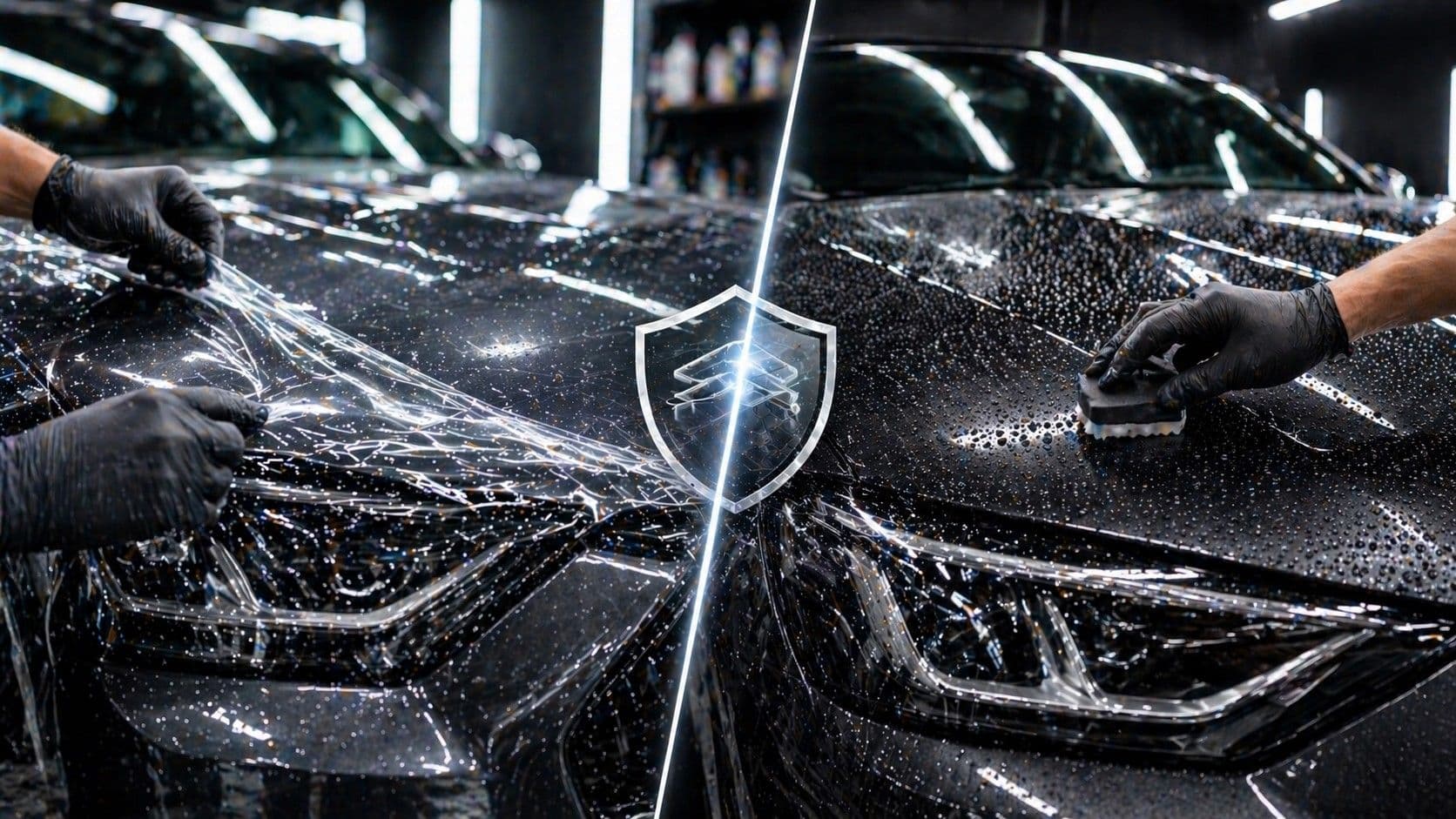
For car owners who care about keeping their vehicle looking new for years, paint protection has become essential rather than optional. With so many car protection coating options available today, it’s common to compare PPF and ceramic coating to decide what works best. The discussion around ‘PPF vs ceramic coating-which is better,’ can often feel confusing, especially for new and premium car owners.
It is common to assume that PPF and ceramic coating are mutually exclusive, but they are not. Using them together can provide broader protection, as each works in a different way to preserve the vehicle’s finish.
Let us take a closer look at how this combination works and why it is considered the best car paint protection strategy.
What is Paint Protection Film (PPF) and How Does It Protect Your Car?
A Paint Protection Film (PPF) is a clear layer applied on top of your car’s paint to protect it from everyday damage. It acts like a shield, helping prevent chips, scratches, and marks caused by road debris.
Daily driving exposes your car to minor debris that can harm the paint. A PPF helps reduce this impact by acting as a protective layer over the surface.
It is usually applied to areas that face the most exposure, such as the front bumper, hood, and side mirrors. These parts of the car are more likely to get damaged, so adding protection here helps maintain the overall look. Among different car protection coating options, PPF is known for providing strong physical protection.
What is Ceramic Coating and How Does It Protect Car Paint?
Ceramic coating is a liquid layer that is applied to the outer surface of a car. Once it sets, it bonds with the paint and forms a protective layer that lasts for a long time.
Unlike a PPF, it does not protect against scratches or stone chips. Instead, ceramic coating improves the surface by adding shine, making it water-resistant, and protecting it from dirt and other environmental elements.
Water, dust, and road grime don’t stick to the surface as easily after ceramic coating is applied, which makes regular cleaning much less effort. Instead of frequent washes, the car tends to stay cleaner for longer.
Can You Apply Ceramic Coating Over PPF?
A common question many car owners have is: Can you combine PPF and ceramic coating? The answer is yes. In fact, using a paint protection film and ceramic coating together can give the car more complete protection.
This setup is often called a double-layer car protection approach. Both layers do different jobs. A PPF helps protect the car from chips and scratches, while ceramic coating improves the surface by adding shine and making it easier to clean.
When used together, they work well as a system and offer better overall results than using either one on its own.
Why PPF and Ceramic Coating Together Offer the Best Car Protection
To understand why PPF and ceramic coating work so well together, it helps to look at what each one actually does for your car’s protection.
| Feature | PPF | Ceramic Coating |
|---|---|---|
| Protection Type | Physical | Chemical |
| Rock Chips | Yes | No |
| Hydrophobic | No | Yes |
| Gloss | Moderate | High |
This comparison shows that both options handle different kinds of problems. When they are used together, they create a more complete and reliable way to protect your car.
Enhanced Protection
PPF takes the hit from things like small stones and road debris, helping prevent chips and scratches on the paint. When ceramic coating is added on top, it also helps protect the film from stains, sun exposure, and dirt.
Together, this layered setup makes the protection stronger and helps both the film and the paint stay in good condition for a longer time.
Superior Gloss & Finish
Ceramic coating improves how the car looks by adding more shine and depth to the surface. When it is applied over both the paint and the film, it gives the whole car a smooth and even glossy finish.
This helps the car keep that clean, polished, showroom-like look for a longer time.
Easier Maintenance
One of the key advantages of ceramic coating on paint protection film is the ease of maintenance. The hydrophobic surface prevents dirt and water from sticking, making cleaning faster and less frequent.
This reduces the effort required to maintain the vehicle’s exterior while keeping it looking clean for longer periods.
Long-Term Value
Using both together helps reduce wear on the paint, so you don’t have to spend as much on repairs or paint correction later. It keeps the car in better shape over time, which can also help if you plan to sell it in the future.
With PPF and ceramic coating benefits, it’s not only about protection. You also spend less on upkeep, and your car holds its value better.
How Long Does PPF with Ceramic Coating Last?
Both options are durable on their own, but they work even better when used together.
A PPF usually lasts around 5 to 10 years, depending on the quality and how the car is used. Ceramic coating, on the other hand, typically lasts about 2 to 5 years.
When ceramic coating is applied over PPF, it adds an extra layer of protection. It helps the film stay clear, protects it from dirt and environmental damage, and can even help it last longer.
As a result, PPF with ceramic coating durability is better compared to using either one separately.
What is the Correct Order to Apply PPF and Ceramic Coating?
For the best results, the order of application really matters. Doing it the right way helps both layers perform well and last longer.
First, PPF is applied to high-impact areas like the front bumper, hood, and side mirrors, where the chances of damage are higher. After that, ceramic coating is applied to the PPF, along with the rest of the painted surfaces. This adds an extra layer of protection, improves shine, and makes cleaning easier.
Professional installers like Global Hi-Tech Films follow this exact process to ensure proper bonding and long-term performance.
Using ceramic coating over PPF helps improve overall durability and keeps the surface looking better for longer. However, applying PPF over a ceramic coating is not recommended, as it can compromise adhesion.
Can You Apply PPF Over Ceramic Coating? Here’s Why You Shouldn’t
Applying PPF on top of a ceramic-coated surface may seem like a good idea, but it actually creates problems.
Ceramic coating has a very smooth, slippery finish. As a result, the PPF cannot adhere properly to the surface. This weak bonding can cause the film to lift, peel, or fail over time.
That’s why the order of application is so important. Following the correct process ensures that both layers work as they should and provide long-lasting protection.
Where Should PPF and Ceramic Coating Be Applied on a Car?
Applying both in the right areas makes this double-layer car protection system more effective.
PPF works best on the parts of your car that take the most hits, like the front bumper, hood, and other high-impact areas. These are the spots that usually pick up scratches, chips, and road debris.
Ceramic coating, on the other hand, is applied across the whole car. This includes both the painted surfaces and the areas already covered with PPF. It helps add a smooth finish, makes cleaning easier, and keeps the shine intact.
When used this way, the protection feels more complete and balanced, covering the car where it actually needs it most.
Is Combining PPF and Ceramic Coating Worth the Extra Cost?
It does cost more at the start compared to choosing just one option. However, over time, it can actually save you money.
With both a PPF and ceramic coating in place, the car’s paint stays in better condition. It is less likely to require repainting or frequent touch-ups, and overall maintenance becomes easier.
It also helps the car hold its value better, since the original paint stays protected.
While the upfront cost is higher, it often makes sense in the long run because you spend less on repairs and maintenance.
Who Should Get PPF and Ceramic Coating Together?
This setup works well for people who really want to keep their car in top condition.
It’s a great choice for new car owners who want to protect the original paint from day one. It also makes sense for luxury or high-end cars, where maintaining the look and finish is important.
If someone drives a lot on highways, where their car is more exposed to dust, stones, and debris, this can be especially helpful.
It’s also a good fit for anyone who cares about both how their car looks and how well it stays protected over time.
Final Checklist for Maximum Car Paint Protection
To get the best results from this combination, it helps to follow a few simple but important steps:
- Start by applying PPF to protect the most vulnerable parts of your car.
- Add ceramic coating on top for an extra layer of protection and shine.
- Focus especially on high-impact areas, such as the front bumper and hood.
- Go for professional installation to ensure everything is done properly and lasts longer.
Following these steps will help get long-lasting protection and keep the car looking its best over time.
Final Verdict: Is PPF Plus Ceramic Coating the Best Protection Combo?
Using a PPF and ceramic coating together just makes things easier when it comes to protecting your car. Instead of choosing one, you get the benefits of both protection from scratches and chips, along with resistance to dirt, stains, and weather.
They naturally complement each other. A PPF protects against physical damage, while a ceramic coating helps keep the surface clean, shiny, and low-maintenance.
In the long run, this combination feels like a more complete and practical option. When aiming for the best car paint protection strategy, this combination is a solid choice.
FAQs About PPF and Ceramic Coating
- Can you apply ceramic coating over paint protection film (PPF)? Yes, ceramic coating can be applied over PPF to improve protection, gloss, and ease of cleaning.
- Is it better to combine PPF and ceramic coating or choose one? Combining both provides more complete protection, as each serves a different purpose.
- What is the correct order to apply PPF and ceramic coating? PPF is applied first, followed by ceramic coating on top.
- Can you apply PPF over a ceramic coating? No, PPF does not bond properly over a ceramic-coated surface.
- What are the benefits of combining PPF and ceramic coating? It offers protection from physical damage as well as environmental exposure, along with better appearance and easier maintenance.
- Does ceramic coating protect PPF from damage? Yes, it helps protect PPF from dirt, stains, and environmental wear.
- How long do PPF and ceramic coating last together? PPF typically lasts 5–10 years, while ceramic coating lasts around 2–5 years.
- Is combining PPF and ceramic coating worth the cost? It can be cost-effective over time by reducing the need for repairs and upkeep.
- Does ceramic coating affect the performance of PPF? No, it supports the PPF by maintaining surface quality and cleanliness.
- What is the best car protection strategy for long-term paint protection? Using both together is considered the best car protection strategy for long-term paint protection.
Read also
 Global Hi-Tech FilmsWindow Films
Does Automotive Window Film Affect GPS, Mobile Signals or Keyless Entry?
Does automotive window film affect GPS, mobile signals or keyless entry? Learn how film construction can influence vehicle connectivity and signals. Explore now.
 Global Hi-Tech FilmsArchitecture
Can Window Film Be Applied to Double-Pane and Low-E Glass?
Can window film be used on double-pane and Low-E glass? Learn about compatibility, glass types, thermal stress and key installation factors. Explore now.
 Global Hi-Tech FilmsWindow Films
Why Does Automotive Window Film Bubble, Peel or Change Color?
Discover why automotive window film bubbles, peels or changes color, the common causes of film failure, and how quality installation helps prevent damage.