

How to Compare Paint Protection Films (PPF): 10 Key Specifications Before You Buy
Learn how to compare Paint Protection Films using 10 key specifications, including material, thickness, self-healing, clarity, warranty, durability, and finish before you buy.
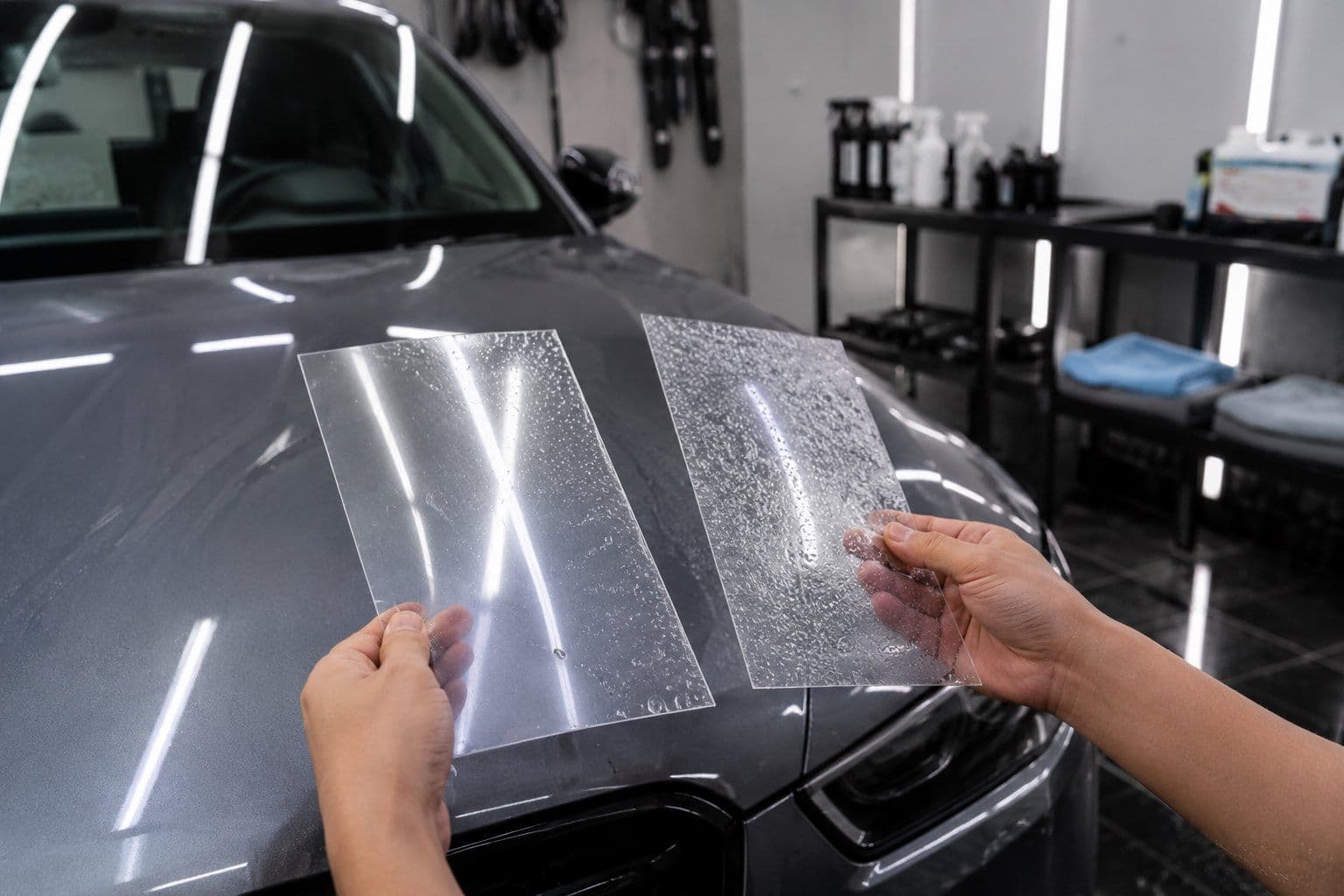
Not all Paint Protection Films are built to deliver the same level of protection or durability. Knowing how to compare paint protection films means looking beyond brand names and advertising claims. A better approach is to review important paint protection film specifications, such as PPF thickness, material type, self-healing PPF, surface finish, UV resistance, and PPF warranty. These features determine how well a car paint protection film protects against scratches, road debris, stains, and everyday environmental damage.
A high-quality paint protection film for cars helps preserve the original paint, keeps the finish looking newer for longer, and reduces maintenance. This PPF buying guide highlights the ten key specifications every buyer should check to identify the best paint protection film based on real performance rather than marketing promises.
Let us look at the key specifications that help distinguish premium films from ordinary options.
How to Compare Paint Protection Films: Quick Buying Checklist
Anyone looking for how to compare paint protection films should begin by reviewing the product's technical specifications instead of relying only on branding or price.
The following checklist can help you compare different options more effectively:
- Choose TPU paint protection film over lower-grade alternatives.
- Compare PPF thickness in microns or mils.
- Check whether the top coat offers stain resistance and self-healing.
- Look for strong UV resistance, anti-yellowing technology, and good optical clarity.
- See if the hydrophobic PPF surface makes cleaning easier.
- Review the adhesive quality and whether the film can be removed cleanly.
- Read the PPF warranty carefully, including what it actually covers.
- Choose a professional installation to get the best results.
A complete evaluation across these specifications provides a far more accurate comparison than price alone.
What Makes a High-Quality Paint Protection Film?
A good paint protection film is built with quality materials and designed to protect the vehicle's finish for years.
The difference between premium and lower-grade films becomes clear when you compare their key features.
- Protects against stone chips, scratches, stains, bug splatter, and road debris.
- Maintains transparency without significant yellowing resistance issues.
- Stretches smoothly across complex curves and body panels.
- Features reliable self-healing technology and easy-clean surfaces.
- Includes dependable manufacturer-backed warranty coverage.
Together, these features help the film protect your vehicle while keeping its finish looking its best for years.
Paint Protection Film Specifications at a Glance
The table below highlights the key paint protection film specifications to compare before choosing a product.
| Specification | What To Check | Why It Matters |
|---|---|---|
| Material | TPU or low-grade alternatives | Determines durability and flexibility |
| Thickness | Microns or mils | Influences impact protection |
| Top coat | Self-healing, stain-resistant | Improves surface performance |
| UV resistance | Anti-yellowing protection | Maintains film clarity |
| Clarity | Low haze, minimal orange peel | Preserves factory appearance |
| Gloss / Finish | Gloss finish, matte finish, satin | Changes vehicle aesthetics |
| Hydrophobicity | Water-repellent surface | Simplifies cleaning |
| Adhesive | Strong bond with clean removal | Prevents lifting and residue |
| Strength | Tear and puncture resistance | Improves durability against debris |
| Warranty | Coverage and duration | Protects long-term investment |
Looking at these specifications together gives a better picture of overall PPF film quality than focusing on just one feature.
10 Key Paint Protection Film Specifications You Should Compare
Each specification affects the film's performance in a different way. Looking at them one by one makes it easier to compare different products.
1. Film Material (TPU vs Other PPF Materials)
The material forms the foundation of every paint protection film.
Premium TPU paint protection film offers significantly greater flexibility, durability, and transparency than lower-grade materials. Products manufactured using aliphatic TPU generally provide better resistance to discoloration while maintaining excellent elasticity. High-quality TPU film also conforms more effectively around bumpers, mirrors, and complex body lines.
Material selection directly influences stretchability, durability, clarity, and long-term appearance.
2. PPF Thickness (Microns vs Mils)
Film thickness affects both protection and how easily the film can be installed.
PPF thickness is listed in microns or mils. Some vehicle owners prefer a thicker film for added protection against stone chips and road debris, while others choose a thinner film where curves and tight edges need a better fit. The right thickness comes down to the vehicle, the panels being covered, and how the car is used.
Compare the thickness with the film's other specifications before making a decision.
3. Top Coat Technology and Surface Protection
The top coat protects the outer surface of the film from everyday contaminants.
Premium top coats help protect the film from bird droppings, bug splatter, tree sap, road chemicals, and acid rain. They also keep the surface looking glossy by slowing down fading and discoloration.
A good top coat helps the film stay clear and continue protecting the paint over time.
4. Self-Healing Technology
Modern self-healing PPF can repair light surface marks without needing replacement.
Some films heal at normal temperatures, while others require heat from warm water or sunlight to activate the healing process. Buyers should also check whether the self-healing properties continue to perform well over the life of the film.
With reliable self-healing technology, light scratches and swirl marks become less noticeable over time.
5. UV Resistance and Anti-Yellowing Performance
Continuous sunlight exposure gradually degrades lower-quality films.
Good UV resistance keeps the film clear even after long hours in the sun and helps protect the paint underneath. This feature is especially useful for white, silver, and other light-colored vehicles that are more likely to show yellowing. Check whether warranty coverage includes protection against discoloration.
This helps the film stay clear and keeps the original paint protected for longer.
6. Optical Clarity, Gloss and Matte Finish Options
A quality film should blend naturally with the vehicle after installation.
Good optical clarity keeps haze to a minimum and reduces the "orange peel" texture often found in lower-quality films. Buyers can choose a gloss finish to enhance the paint's shine or a matte finish for a smooth satin look while maintaining the same level of protection.
Uniform clarity allows the original paint finish to remain the visual focus.
7. Hydrophobic Surface and Easy Maintenance
A quality hydrophobic PPF actively repels water and contaminants.
The advanced hydrophobic coating reduces water spotting, prevents dirt accumulation, and makes routine washing considerably easier. Some manufacturers also publish water contact angle measurements that indicate the effectiveness of their water-repellent technology.
Less dirt sticks to the surface, so the vehicle stays cleaner and takes less time to wash.
8. Adhesive Quality and Clean Removal
The adhesive layer keeps the film securely attached to the vehicle's paint.
Good adhesive quality keeps the film firmly in place and helps prevent edge lifting. It should also allow clean removal when the film needs to be replaced. Poor-quality adhesives can lead to bubbles, silvering, residue, or the film lifting away from the body panels.
A good adhesive keeps the film securely in place for years.
9. Tensile Strength and Stretchability
Tensile strength and elongation matter most on parts of the vehicle that take regular road impact.
A film with better tensile strength is harder to tear during daily use. Higher elongation makes it easier to stretch the film over bumpers, mirrors, and curved panels during installation. These two properties also help the film stand up to road debris and everyday driving.
Together, these PPF specifications indicate how well the film performs under real driving conditions.
10. PPF Warranty Coverage and Manufacturer Support
A warranty should be evaluated by its coverage, not only its duration.
Go through the PPF warranty to see exactly which issues are covered, such as yellowing, bubbling, peeling, cracking, adhesive failure, and manufacturing defects. Some manufacturers provide direct warranty support, while others leave claims to the installer. Knowing who stands behind the warranty can make future claims easier.
Warranty coverage isn't the same everywhere. For instance, the Global Hi-Tech Films Titanium Series comes with a lifetime warranty in the USA, while buyers in other regions get warranty coverage of up to 12 years. The warranty available to you depends on where the film is purchased.
How to Read a Paint Protection Film Technical Data Sheet
Technical data sheets provide objective information that allows meaningful product comparisons.
When reviewing specifications, buyers should focus on:
- Thickness in microns or mils.
- TPU material identification.
- UV, stain, and chemical resistance ratings.
- Tensile strength and elongation values.
- Complete warranty coverage details.
- Surface technologies instead of marketing terminology.
Many products look alike in advertisements, but the technical data sheet shows how they really differ.
Why Professional PPF Installation Is Just as Important as Film Quality
Even a premium paint protection film needs to be installed properly.
If the installation is not done well, you may notice bubbles, trapped dust, lifted edges, or uneven lines. A skilled installer takes time to prepare the surface and fit the film neatly. Some manufacturers also ask for certified installation to honour the warranty.
Product quality and installation quality work together to determine the final result. One cannot compensate for shortcomings in the other.
Paint Protection Film Buyer Checklist
The following checklist simplifies product evaluation before purchasing.
| Question | What Buyer Should Check |
|---|---|
| Is it TPU-based? | Prefer premium TPU |
| What is the thickness? | Match protection to intended usage |
| Does it self-heal? | Verify activation method |
| Is it hydrophobic? | Look for easier cleaning and water repellency |
| Will it yellow? | Review UV resistance |
| Is it clear? | Check for low haze and minimal orange peel |
| Is the adhesive safe? | Confirm strong bonding and clean removal |
| Is it stretchable? | Important for curves and bumpers |
| What does warranty cover? | Review defects instead of years alone |
| Who installs it? | Choose trained professional installation |
A checklist makes it easier to compare products and avoid choosing a film based only on price or brand name.
Conclusion: How to Choose the Best Paint Protection Film
Choosing the right paint protection film begins with understanding the specifications that directly influence performance. Buyers should compare paint protection films, PPF thickness, top coat, optical clarity, UV resistance, hydrophobic PPF, adhesive quality, mechanical strength, and complete PPF warranty coverage before making a decision.
Price and brand are only part of the decision. The technical specifications give a better idea of how the film will hold up through everyday driving. Good installation matters just as much, helping the film look better and perform as intended.
The best paint protection film offers the right mix of durability, clarity, protection, and long-term value.
FAQs About Comparing Paint Protection Films
- What should I look for when comparing Paint Protection Films? Compare the material, thickness, self-healing ability, UV resistance, clarity, adhesive quality, and warranty instead of focusing only on price.
- What is the best material for Paint Protection Film? TPU (Thermoplastic Polyurethane) is widely considered the best because it offers excellent durability, flexibility, and clarity.
- Does thicker Paint Protection Film offer better protection? A thicker film can provide better impact protection, but overall performance also depends on the material and build quality.
- What is the ideal thickness for Paint Protection Film? There is no single ideal thickness. The right choice depends on the level of protection you need and where the film will be installed.
- How can I tell if a Paint Protection Film is high quality? Look for premium TPU, self-healing technology, good optical clarity, UV resistance, and a reliable manufacturer warranty.
- What does self-healing mean in Paint Protection Film? It means the film can reduce or remove light scratches and swirl marks with heat or normal environmental conditions.
- Why is TPU considered better than other PPF materials? TPU is more durable, flexible, and resistant to yellowing, making it a better long-term choice than lower-grade materials.
- What should a Paint Protection Film warranty cover? A good warranty should cover issues like yellowing, peeling, bubbling, cracking, adhesive failure, and manufacturing defects.
- Does professional installation affect PPF performance? Yes. Proper installation helps the film fit correctly, prevents lifting or bubbles, and ensures it performs as intended.
- How long does a premium Paint Protection Film last? With proper care and professional installation, a premium Paint Protection Film can typically last between 5 and 10 years.
Read also
 Global Hi-Tech FilmsWindow Films
Does Automotive Window Film Affect GPS, Mobile Signals or Keyless Entry?
Does automotive window film affect GPS, mobile signals or keyless entry? Learn how film construction can influence vehicle connectivity and signals. Explore now.
 Global Hi-Tech FilmsArchitecture
Can Window Film Be Applied to Double-Pane and Low-E Glass?
Can window film be used on double-pane and Low-E glass? Learn about compatibility, glass types, thermal stress and key installation factors. Explore now.
 Global Hi-Tech FilmsWindow Films
Why Does Automotive Window Film Bubble, Peel or Change Color?
Discover why automotive window film bubbles, peels or changes color, the common causes of film failure, and how quality installation helps prevent damage.