

PPF Thickness Explained: Mil Ratings, Durability, Installation & Best Thickness Guide
Learn PPF thickness, mil ratings, durability & ideal film thickness. Discover how to choose the best paint protection film for long-lasting car protection.
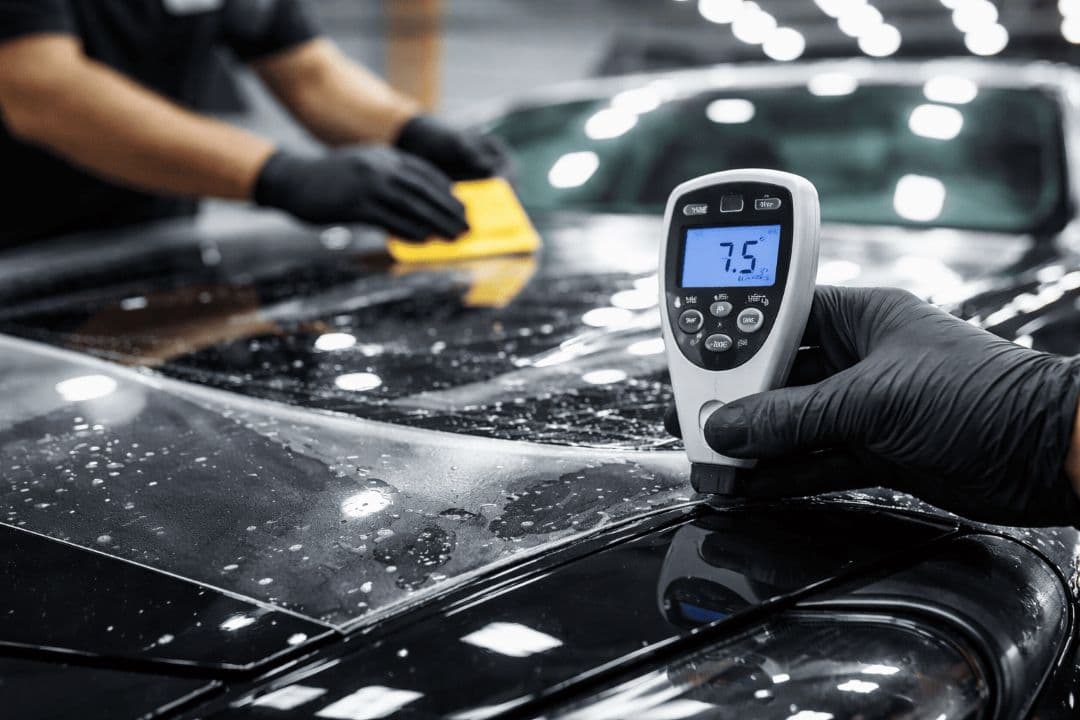
PPF thickness is more important than many people think when picking paint protection film. Many believe that thicker is always better, but it's not that simple. Thickness affects how well the film protects against scratches and debris, how easily it fits around curves, and the quality of the installation. For professionals, it also influences how quickly and well the film can be installed, as well as how it holds up over time.
This guide breaks down PPF thickness in simple terms. It explains mil ratings, compares different thicknesses, and shows how thickness affects durability, flexibility, and installation. You'll also find tips on choosing the right PPF thickness for your driving needs.
How PPF Thickness Affects Protection, Flexibility & Installation
In simple terms, PPF thickness affects how well it protects your car, how flexible it is, and how easy it is to install. Most films range between 6 and 12 mil (1 mil = 0.001 inch). When you compare options like 6 mil vs 8 mil or 8 mil vs 10 mil, thicker films do offer better protection against impacts.
But it’s not just about thickness. You also need to think about flexibility, ease of installation, and how the film looks after application. Thicker films are great for highway driving, but they can be harder to install and may not fit smoothly on all surfaces.
For most people, a balanced option works best- around 8 to 8.5 mil offers a good mix of protection, flexibility, and ease of installation.
What is PPF Thickness? Understanding Mil Rating in Paint Protection Film
To fully understand what is mil in PPF, it’s important to know that:
- 1 mil equals 0.001 inch
- Most automotive films fall within a 6-12 mil thickness range
However, PPF thickness is not a single-layer measurement. It includes multiple functional layers:
- Topcoat layer: The outer layer that helps the film self-heal, resist stains, and maintain a glossy look
- TPU (Thermoplastic Polyurethane) base layer: The main layer that protects your car by absorbing impacts and preventing scratches
- Adhesive layer: The layer that sticks the film to the car’s surface while still allowing adjustments during installation
So, when you compare films, you are looking at the total thickness of all layers, not just the TPU core.
PPF Thickness Comparison: 6.5 vs 7.5 vs 8.5 vs 9.5 Mil (Which is Best?)
Knowing the differences between thickness levels helps you make the right choice. This PPF thickness comparison shows how each type performs in real-world situations.
6.5 Mil PPF: Flexible Option for Daily Driving & Easy Installation
This is one of the most flexible options you can choose.
Why it works well:
- It easily fits around curves and edges without much effort
- Makes installation quicker and easier, especially for simple jobs
- Looks almost invisible on the car, thanks to its clear finish
Best for:
- Everyday city driving
- Regular passenger cars
- People who want basic protection without a complicated installation process
7.5 Mil PPF: Best Balance for City Driving & Moderate Protection
This thickness offers better protection while still being easy to work with.
Why it works well:
- Gives better protection against light scratches and small marks
- Still flexible enough for a smooth and hassle-free installation
- Works well for most cars and everyday driving conditions
Best for:
- City driving with some exposure to dust, stones, and road debris
- Drivers who want a good balance between protection and easy installation
8.5 Mil PPF: Best Overall Thickness for Protection, Durability & Installation
This thickness is often considered the best balance in most PPF thickness comparisons.
Why it works well:
- Offers strong protection against stone chips and fast-moving road debris
- Very durable while still staying flexible enough to handle
- Trusted by professional installers for reliable, consistent results
Important Insight:
‘8.5 mil is widely considered the optimal balance for most real-world applications.’
9.5+ Mil PPF: Maximum Protection for Off-Road & Extreme Conditions
This thickness is made for extreme conditions and the highest level of impact resistance.
Why it works well:
- Provides strong protection against heavy debris and rough driving conditions
- A good choice for vehicles used in tough environments
Things to keep in mind:
- Less flexible, so it’s harder to apply on curves and complex areas
- Needs a skilled installer to get the job done right
- Takes more time and effort during installation
PPF Thickness Comparison Chart: Protection, Flexibility & Installation Difficulty
| Thickness | Protection Level | Flexibility | Installation Difficulty | Best For |
|---|---|---|---|---|
| 6.5 mil | Moderate | High | Easy | Daily commuting |
| 7.5 mil | Good | Medium-High | Moderate | City driving |
| 8.5 mil | Excellent | Balanced | Moderate | Most vehicles |
| 9.5+ mil | Maximum | Low | Difficult | Off-road/extreme use |
How PPF Thickness Affects Durability, Flexibility & Installation
Durability & Impact Resistance
When you compare PPF durability vs thickness, thicker films usually give better protection.
- They absorb more energy from high-speed debris.
- Reduce the risk of paint chipping, especially during highway driving.
- Perform better in demanding conditions.
That’s why when comparing 8 mil vs 10 mil PPF, the choice is often between better impact resistance and easier use.
Installation Difficulty & Efficiency
PPF installation difficulty increases significantly with thickness.
Key factors affected:
- Greater skill required for proper application
- More precise heat control needed to stretch the film
- Increased installation time
- Higher chances of edge lifting if not handled correctly
Important Insight:
“Installation efficiency is a critical factor for professionals working on complex surfaces.”
A film that is too thick can reduce PPF installation efficiency, especially on intricate panels.
Flexibility & Conformability
When discussing PPF flexibility vs durability:
- Thinner films:Easily adjust to curves and edgesGreat for bumpers, mirrors, and detailed areas
- Thicker films:Don’t stretch as easilyTake more effort to apply properlyMay not sit as smoothly on complex shapes
Stretching & Thickness Loss
During installation, the film is stretched to fit the car’s shape.
- This stretching can make the film thinner in some areas
- So, even when comparing 6 mil vs 8 mil PPF, how much the film is stretched can affect how well it actually performs
Appearance & Finish
Thickness also influences the final visual outcome.
- Thicker films may:Show slightly more visible edgesBe harder to tuck in cleanly
- However, the clarity of the film depends more on the material quality than on its thickness.
Is Thicker PPF Always Better? Pros and Cons Explained
A common question is: Does thicker PPF protect better?
The answer is not always.
While thicker films do give better protection against impacts, they also have some downsides:
- They are less flexible
- More difficult to install
- Higher chances of mistakes during the application
Key Insight:
Choosing a balanced thickness often works better in real life than simply going for the thickest film available.
Best PPF Thickness for Different Driving Needs (City, Highway, Off-Road)
Best PPF Thickness for City Driving
For urban use:
- Go for around 6.5–7.5 mil
- It offers good flexibility, a clear finish, and is easier to install
Best PPF Thickness for Highway Driving & Daily Use
For those considering PPF for highway driving:
- Go for around 8–8.5 mil.
- It gives better protection against fast-moving debris and stone chips.
Best PPF Thickness for Off-Road & Harsh Conditions
For rough or extreme conditions:
- Go for 9.5 mil or more
- It offers maximum protection and durability against heavy impacts
PPF Thickness vs Lifespan: How Long Does It Last?
Thicker films usually last longer and perform better over time.
- They handle wear and tear more effectively.
- They hold up better against the sun, dirt, and other environmental factors.
Typical lifespan:
- Around 7–10 years, depending on how well you maintain it and how you use your car
How to Choose the Right PPF Thickness for Your Car (Complete Guide)
When it comes to making the right decision, having PPF thickness explained in relation to the driving conditions, vehicle type, and installation needs makes all the difference.
What to consider:
- Driving conditions: If you mostly drive in the city, you don’t need very thick film. For highways or rough roads, a thicker film gives better protection.
- Vehicle shape: Cars with more curves and detailed panels need flexible films. Flat surfaces can handle thicker films more easily.
- Exposure to debris and weather: If your car often faces gravel, construction areas, or harsh weather, go for more protection. Otherwise, a medium thickness works fine.
- Installer’s skill: Experienced installers can handle thicker films better, but the film should still suit your car’s design for the best finish.
To put it simply:
When deciding on 6.5 mil vs 7.5 mil vs 8.5 mil PPF, think about how you use your vehicle and how the film will be installed, not just about picking the thickest option.
Final Verdict: What is the Best PPF Thickness for Most Cars?
For most situations, an 8 to 8.5 mil film is the best choice. It gives you strong protection, good flexibility, and is easier to install. This thickness can handle common road debris and impacts, while still being flexible enough for a smooth, clean finish on different surfaces.
However, there’s no one-size-fits-all answer. The right thickness depends on your driving habits, vehicle type, and how the film will be installed. The goal is to find the right balance, since the best PPF thickness is about combining protection, flexibility, and installation quality, not just picking the thickest film.
Choosing the wrong film can affect not just protection, but also how well it installs and how long it lasts.
At Global Hi-Tech Films, we help you:
- Understand how different PPF thickness options perform in real life
- Compare durability and thickness based on your needs
- Choose a film that offers both strong protection and easy installation
Book a consultation today and get expert advice on picking the right PPF thickness for your car.
FAQs on PPF Thickness
- What is the best PPF thickness for daily driving? Around 6.5–7.5 mil works well for daily use, as it offers good protection while staying flexible and easy to install.
- Does thicker PPF provide better protection against rock chips? Yes, thicker films generally protect better against rock chips, but they can be harder to install.
- What is the difference between 6.5 mil, 7.5 mil, and 8.5 mil PPF? As thickness increases, protection improves, but flexibility slightly reduces, making installation a bit more challenging.
- Is 8.5 mil PPF enough for highway driving? Yes, 8–8.5 mil is usually a great choice for highways as it handles high-speed debris well.
- Is 9.5 mil PPF worth it for regular cars? Not always—it’s more useful for rough conditions, while most regular cars do fine with slightly thinner films.
- How does PPF thickness affect installation difficulty? Thicker films are less flexible, so they take more skill, time, and effort to install properly.
- What happens to PPF thickness when it is stretched during installation? When stretched, the film becomes thinner in those areas, which can slightly reduce its protection.
- Does PPF thickness affect clarity, gloss, or appearance? Yes, very thick films may slightly affect clarity, but good-quality films still maintain a clean and glossy look.
Read also
 Global Hi-Tech FilmsWindow Films
Does Automotive Window Film Affect GPS, Mobile Signals or Keyless Entry?
Does automotive window film affect GPS, mobile signals or keyless entry? Learn how film construction can influence vehicle connectivity and signals. Explore now.
 Global Hi-Tech FilmsArchitecture
Can Window Film Be Applied to Double-Pane and Low-E Glass?
Can window film be used on double-pane and Low-E glass? Learn about compatibility, glass types, thermal stress and key installation factors. Explore now.
 Global Hi-Tech FilmsWindow Films
Why Does Automotive Window Film Bubble, Peel or Change Color?
Discover why automotive window film bubbles, peels or changes color, the common causes of film failure, and how quality installation helps prevent damage.