
Types of Architectural Films and Their Uses
Explore different types of architectural window films and their uses, including privacy, heat control, safety, decorative, and energy-saving solutions.
Architectural films have revolutionized the way we design, protect, and enhance building interiors and exteriors. These versatile materials offer practical solutions for privacy, safety, energy efficiency, and aesthetic enhancement without the need for costly replacements or major renovations. From residential homes to commercial high-rises, architectural films have become an essential component of modern construction and renovation projects.
The film industry has evolved significantly over the past few decades, with manufacturers like Global Hitech Films leading the way in developing innovative solutions that address contemporary architectural challenges. Today's architectural films combine cutting-edge technology with aesthetic appeal, offering property owners and designers unprecedented flexibility in creating functional and beautiful spaces.
Understanding Architectural Films
Architectural films are thin, multi-layered polyester or vinyl materials applied to glass, walls, or other surfaces to modify their properties or appearance. These films serve multiple purposes, from controlling light and heat to providing decorative finishes that mimic expensive materials. The application process is relatively simple, making them a cost-effective alternative to traditional construction methods.
Types of Architectural Films
1. Window Films
Window films represent the most popular category of architectural films, offering solutions for various needs:
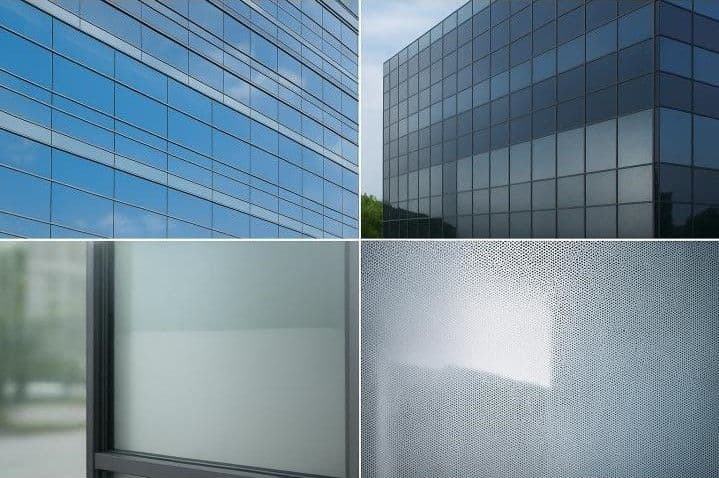
Solar Control Films reduce heat gain and glare by blocking a significant portion of solar radiation. These films help maintain comfortable indoor temperatures while reducing air conditioning costs. Global Hitech Films offers advanced solar control solutions that can reject up to 80% of solar heat while maintaining natural light transmission.
Safety and Security Films add a protective layer to glass surfaces, holding shattered glass together in case of impact. These films are essential for buildings in hurricane-prone areas or high-security facilities, protecting against natural disasters, accidents, and forced entry attempts.
Privacy Films create one-way visibility or complete opacity, perfect for conference rooms, bathrooms, and street-facing windows. Options range from frosted and etched glass effects to decorative patterns that enhance aesthetics while maintaining privacy.
2. Decorative Films
Decorative architectural films have transformed interior design possibilities:
Textured Films replicate the appearance of expensive materials like frosted glass, sandblasted surfaces, or fabric textures. These films allow designers to achieve high-end looks at a fraction of the cost of traditional materials.
Colored and Patterned Films add visual interest to any space. From geometric designs to nature-inspired motifs, these films can transform plain surfaces into striking focal points. Global Hitech Films provides an extensive collection of patterns and colors suitable for various design aesthetics.
Metallic and Reflective Films create modern, sophisticated appearances while also providing functional benefits like heat reduction and privacy.
3. Surface Protection Films
These specialized films protect valuable surfaces during construction or daily use:
Countertop and Furniture Films shield surfaces from scratches, stains, and UV damage while offering opportunities for aesthetic updates. Many property owners use these films to refresh kitchen countertops, bathroom vanities, or furniture without replacement costs.
Wall Protection Films are particularly useful in high-traffic areas like hospitals, schools, and commercial buildings, where walls face constant contact and potential damage.
4. Specialized Performance Films
Anti-Graffiti Films create a sacrificial layer on glass and other surfaces, allowing easy removal of spray paint and markers. When vandalized, the film can be replaced rather than the entire surface.
UV Protection Films block up to 99% of harmful ultraviolet rays, protecting furnishings, artwork, and flooring from fading while reducing skin cancer risks for occupants.
Energy-Efficient Films work year-round to reduce heating and cooling costs by providing insulation properties. These films are particularly valuable in older buildings with single-pane windows.
Comparison of Architectural Film Types
| Film Type | Primary Function | Key Benefits | Ideal Applications |
|---|---|---|---|
| Solar Control | Heat & glare reduction | Energy savings, UV protection, comfort | Commercial buildings, sunrooms, west-facing windows |
| Safety & Security | Glass reinforcement | Protection, safety, deterrence | Storefronts, schools, government buildings |
| Privacy | Visual obstruction | Confidentiality, aesthetics | Offices, bathrooms, medical facilities |
| Decorative | Aesthetic enhancement | Cost-effective design, customization | Retail, hospitality, residential interiors |
| Surface Protection | Scratch & damage prevention | Extended lifespan, easy maintenance | High-traffic areas, renovation projects |
Applications Across Industries
Residential
Homeowners utilize architectural films for energy efficiency, privacy, and home office spaces. Window films reduce utility bills while decorative films allow for personalized interior design without permanent alterations.
Commercial
Office buildings benefit from solar control films that reduce cooling costs and glare on computer screens. Privacy films create flexible meeting spaces, while branded decorative films reinforce corporate identity.
Healthcare
Hospitals and clinics use antimicrobial films, privacy films for patient areas, and safety films to meet stringent building codes. UV-blocking films protect sensitive equipment and patients.
Retail and Hospitality
Stores and hotels employ decorative films for brand expression, window displays, and creating memorable customer experiences. Seasonal designs can be easily changed to match promotions or themes.
Educational Facilities
Schools benefit from safety films on windows and doors, along with decorative films that create inspiring learning environments. Anti-graffiti films reduce maintenance costs in common areas.
Installation and Maintenance
Professional installation ensures optimal performance and longevity of architectural films. Global Hitech Films and other leading manufacturers provide certified installers trained in proper application techniques. The installation process typically involves thorough surface preparation, precise measurement, and skillful application to avoid bubbles or imperfections.
Maintenance is remarkably simple; most films require only regular cleaning with mild soap and water. With proper care, quality architectural films can last 10-15 years or more, making them an excellent long-term investment.
Environmental and Economic Benefits
Architectural films contribute to sustainable building practices by reducing energy consumption, extending the life of existing materials, and minimizing waste associated with replacement projects. The energy savings from solar control films can result in significant cost reductions, often paying for the initial investment within a few years.
Additionally, films eliminate the need for demolition and disposal of materials like glass or wall panels, reducing the environmental impact of renovation projects. Companies like Global Hitech Films are committed to developing eco-friendly products that meet green building standards.
Future Trends
The architectural film industry continues to innovate with smart films that can switch between transparent and opaque states, enhanced energy performance products, and films integrated with IoT technology for automated environmental control. These advancements promise even greater versatility and functionality for future construction and renovation projects.
Conclusion
Architectural films represent a versatile, cost-effective solution for addressing multiple building needs simultaneously. Whether improving energy efficiency, enhancing security, creating privacy, or elevating aesthetic appeal, these films offer practical benefits that traditional construction methods cannot match. With industry leaders like Global Hitech Films continuously developing innovative products, the possibilities for architectural film applications continue to expand, making them an indispensable tool for architects, designers, and property owners worldwide.
Frequently Asked Questions (FAQs)
Q1: How long do architectural films typically last? High-quality architectural films from reputable manufacturers like Global Hitech Films can last 10-15 years or longer with proper maintenance. The lifespan depends on factors such as film type, installation quality, and environmental conditions.
Q2: Can architectural films be removed without damaging surfaces? Yes, professionally installed films can be removed by trained technicians without damaging the underlying surface. This makes them ideal for temporary applications or when design changes are desired.
Q3: Do window films work in all climates? Absolutely. Different film types are designed for various climates. Solar control films are excellent for hot, sunny regions, while low-emissivity films help retain heat in colder climates.
Q4: Will architectural films affect my view? It depends on the film type. Clear solar control and UV protection films maintain visibility while providing performance benefits. Privacy and decorative films intentionally obscure views, but many options allow natural light transmission.
Q5: Are architectural films a DIY project? While some films are marketed for DIY application, professional installation is recommended for optimal results, especially for large areas or specialized films. Proper installation ensures warranty coverage and maximum performance.
Q6: How much can I save on energy costs with window films? Energy savings vary by building type, climate, and existing windows, but solar control films typically reduce cooling costs by 15-30%. The payback period is usually 3-7 years.
Q7: Can architectural films improve building security? Yes, safety and security films significantly strengthen glass against forced entry, blast impacts, and natural disasters. While not bulletproof, they provide valuable time for response and prevent dangerous glass shards.
Q8: Are there architectural films suitable for historic buildings? Many films are ideal for historic preservation because they protect original windows while improving performance without altering the building's appearance. Always consult preservation guidelines before application.
Read also
 Global Hi-Tech FilmsWindow Films
Does Automotive Window Film Affect GPS, Mobile Signals or Keyless Entry?
Does automotive window film affect GPS, mobile signals or keyless entry? Learn how film construction can influence vehicle connectivity and signals. Explore now.
 Global Hi-Tech FilmsArchitecture
Can Window Film Be Applied to Double-Pane and Low-E Glass?
Can window film be used on double-pane and Low-E glass? Learn about compatibility, glass types, thermal stress and key installation factors. Explore now.
 Global Hi-Tech FilmsWindow Films
Why Does Automotive Window Film Bubble, Peel or Change Color?
Discover why automotive window film bubbles, peels or changes color, the common causes of film failure, and how quality installation helps prevent damage.