

What Are Safety & Security Window Films? Protect Your Home from Break-Ins & Accidents
What are safety and security window films? Learn how they strengthen glass, prevent break-ins, reduce injury risk, and improve protection for homes and cars.
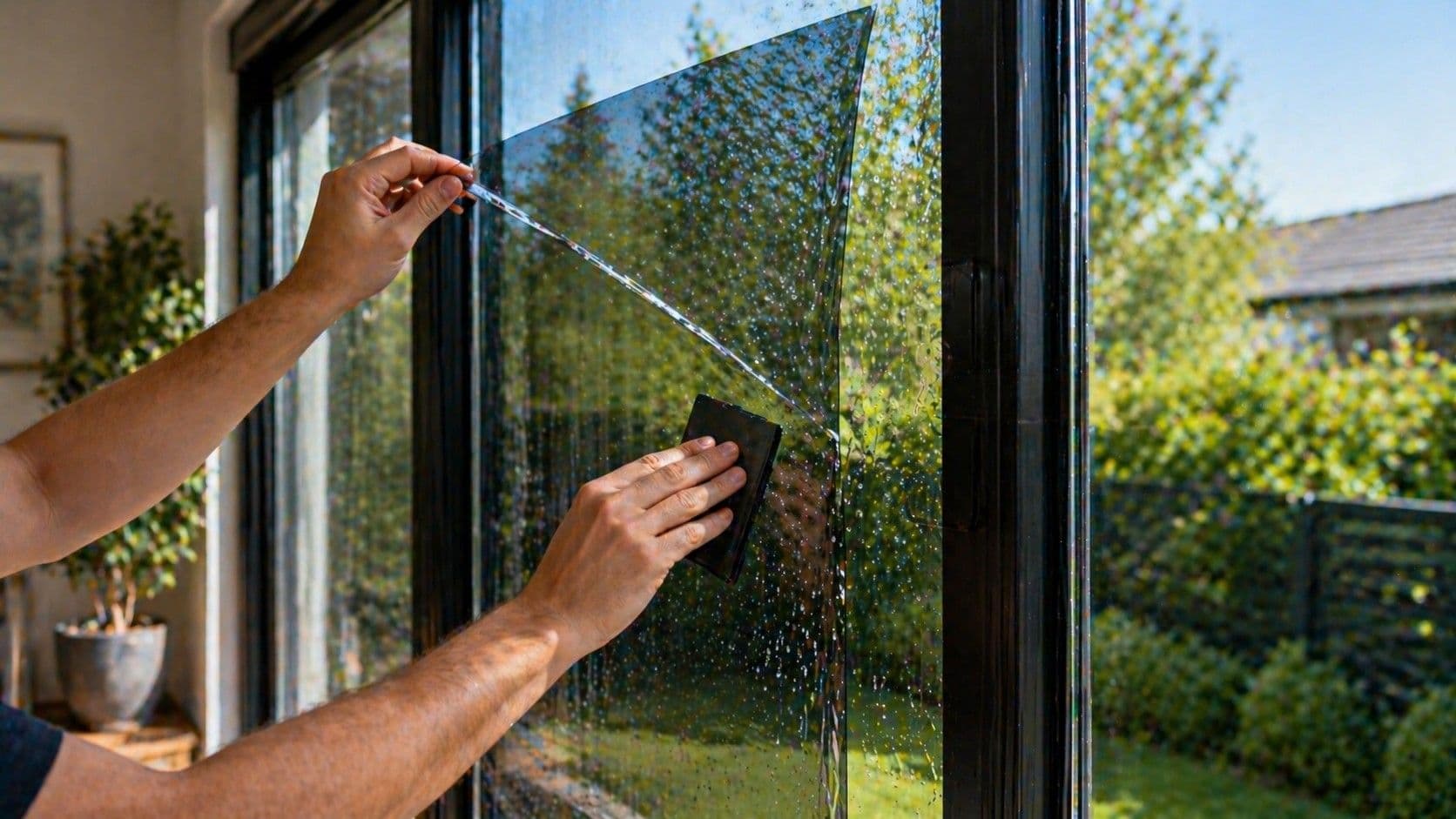
Homes today face many risks that people often don’t think about until something goes wrong. Break-ins, accidental glass damage, and even strong winds or storms are becoming more common, and windows are usually the easiest point to break through. Adding a safety and security window film is a simple way to make your windows stronger without having to replace them.
Glass is naturally fragile, which makes it an easy target. But when you apply a security film, it adds an extra layer that helps the glass hold together even after impact. This makes it harder for intruders to get in and also reduces the risk of injury from shattered glass, all while keeping the look of your windows the same.
Let us now examine how these films function and why they are becoming an essential safety upgrade for modern homes.
What Are Safety & Security Window Films for Homes?
To understand what a security window film is, it is important to recognize that these are not standard decorative films. They are made from thick, durable polyester layers that are designed to make glass stronger and more resistant to impact and breakage. These films are applied directly to existing windows, which makes them a practical and cost-effective way to improve safety without replacing the glass.
Available in both clear and tinted options, a window security film for homes strengthens the glass while keeping its original look and function unchanged. Products like security film for glass windows are designed to hold broken glass together, helping reduce the risk of injury and making it harder for the glass to shatter easily. Trusted providers such as Global Hi-Tech Films offer solutions that are strong yet clear, so homeowners can improve protection without affecting the appearance of their windows.
How Safety & Security Window Films Work on Residential Glass
To understand how a security window film works, it helps to look at how it protects your home in different situations. These films are made to handle break-ins, accidental hits, and even damage caused by weather, all while staying almost invisible on your windows.
Forced Entry Resistance
One of the main benefits of a window film to prevent break-ins is that it slows down unwanted entry. When someone tries to hit or break the glass, the film keeps it from shattering right away. This makes it harder to get through quickly and can delay intruders by 60 to 120 seconds, which is often enough to make them give up or alert someone.
These burglar-resistant window films work as a strong deterrent. It results in extra time and effort for anyone trying to enter through a window, helping improve overall home security.
Accident Safety
Accidents at home can sometimes lead to broken glass, especially if you have children or pets around. A Window film for safety and protection helps by keeping the glass pieces in place even if it cracks, so they don’t spread everywhere.
It also helps in common situations like a ball hitting the window or even a bird striking the glass. The film reduces the chances of the glass breaking inward, which lowers the risk of injury from flying shards and makes the space inside your home safer.
Storm & Disaster Protection
During severe weather conditions, glass can easily turn into a risk. A glass safety film for windows helps by making the glass stronger and keeping it in place even if it cracks.
This means wind and rain are less likely to enter your home, which helps reduce damage during storms. It also makes windows more stable in high winds, so they hold up better when the weather gets rough.
Invisible Protection
One of the biggest advantages of a security film for glass windows is that it adds protection without changing how your windows look. Most films are clear, so natural light can still come in, and your home looks the same as before.
If you need more privacy or want to cut down on glare, tinted options are available as well. This way, you can add safety without changing how your windows look or feel.
Key Features to Look for Before Buying Security Window Film
When selecting a home window security film, it helps to know what really makes a difference. The right features will decide how strong the film is and how well it can handle impact over time.
Thickness (Mil Rating)
The security window film’s thickness plays a big role in how strong the film is. Most films come in a range of 4 to 12 mil, and the thicker ones usually offer better protection.
In general, a film that is 8 mil or more is a good choice if you want stronger resistance, as it can handle impact better and hold the glass together more effectively.
Film Strength & Durability
Good quality films are made using multiple layers of polyester, which helps them handle impact better. This layered build spreads the force across the surface, so the film stays in place even when the glass is hit hard.
These anti-shatter window films remain reliable over time and continue to hold the glass together, even after repeated stress or impact.
UV & Solar Protection
Besides safety, these films can also make your home more comfortable. They help block UV rays, reduce heat, and cut down glare from sunlight, which can protect your furniture from fading.
These shatterproof window films’ benefits are not just about safety; they also help improve everyday comfort at home.
Adhesive & Bonding Strength
The adhesive used in the film is what helps it stick firmly to the glass. A strong bond makes sure that even if the glass breaks, the pieces stay attached to the film instead of falling apart.
This is important for how well a security film for glass windows works, especially during break-in attempts or accidental impacts.
Where Should You Install Security Window Film?
Not every part of your home needs the same level of protection. Some areas are more likely to face break-ins or accidental damage, so it makes sense to focus on those first.
Ground-floor windows, sliding glass doors, entry doors with glass panels, and large glass areas are usually the most at risk. Adding a window film for home security to these spots can make them stronger and help improve overall safety in your home.
Installation Considerations
How well a security film for glass windows performs really comes down to how it’s put on. The glass has to be cleaned properly, and a light solution is used so the film can be adjusted easily without trapping air or forming creases.
You might manage smaller sections on your own, but for larger areas, professional help usually makes a difference. It helps the film sit properly on the glass and hold up better over time. Companies like Global Hi-Tech Films are often chosen for this kind of precise installation work.
Advanced Installation Systems
In more advanced setups, the film is secured not just to the glass but also anchored along the window frame using anchor systems. This added support helps the film stay in place even under strong impact.
These burglar-resistant window films perform better in high-risk situations where extra protection is needed.
Limitations of Security Window Films
While a window film for safety and protection is useful, it’s important to understand what it can and cannot do. It does not make glass unbreakable or bulletproof. Its main job is to slow things down and reduce damage if the glass is hit.
For better safety, it should be used along with other measures like good locks, alarm systems, and cameras. This way, your home gets more comprehensive protection rather than relying on just one solution.
Safety Window Film vs Regular Glass: Real Protection Comparison
To understand how a home window security film helps, it’s useful to compare it with regular, untreated glass. The difference becomes clear when you look at how each one reacts to impact and damage.
| Feature | Regular Glass | Safety Film |
|---|---|---|
| Breakage Behavior | Shatters into sharp fragments | Holds together upon impact |
| Safety Level | High risk of injury | Reduced risk of injury |
| Security | Easy to break and enter | Delays intrusion attempts |
| Durability | Low impact resistance | Enhanced structural strength |
This shows how adding the film can make regular glass safer and stronger. It helps improve both safety and security in a noticeable way.
Is Safety & Security Window Film Worth It for Modern Homes?
Adding a safety and security window film is usually more affordable than replacing your windows. It lets you make your existing glass stronger without any major changes, while still adding an extra layer of protection.
It can help slow down break-ins and also reduce the risk of injury if the glass breaks. Overall, it’s a practical way to improve safety at home without spending too much or replacing the entire window.
Final Checklist Before Choosing Security Window Film
Before choosing a security window film, it helps to keep a few basic things in mind:
- Go for a thickness of at least 8 mil for better protection
- Professional installation usually gives a cleaner and longer-lasting result
- Check if the film also offers UV and heat protection
- Make sure the right installation method is followed
Keeping these points in mind can help you pick a film that works well and lasts over time.
Final Verdict: Are Safety & Security Window Films a Smart Investment
The installation of a safety and security window film significantly enhances the safety and durability of residential glass. It helps delay break-ins, reduces the risk of injury, and provides added resilience against environmental hazards.
While not a standalone security solution, safety and security window films significantly strengthen one of the most vulnerable parts of a home.
FAQs About Safety & Security Window Films
- What is safety and security window film and how does it work? It’s a strong, transparent layer applied to glass that holds it together when it breaks, making it harder to shatter or break through.
- Can security window film prevent break-ins completely? No, it can’t stop break-ins entirely, but it makes it much harder and slower for intruders.
- How long can security window film delay intruders? It can delay intruders by several seconds to a few minutes, depending on the film thickness and impact.
- What thickness is best for safety and security window film? An 8 mil or thicker film is usually recommended for good protection.
- Does security window film stop glass from shattering? It won’t stop the glass from cracking, but it holds the broken pieces together so they don’t scatter everywhere.
- Is security window film visible on windows? In most cases, it is not noticeable. It looks just like regular glass once it’s applied.
- Can security window film protect against storms and strong winds? It can help during storms by keeping the glass from breaking apart and reducing the chance of sharp debris flying around.
- Is it better to choose security film or laminated glass? Laminated glass is stronger, but adding a film is a simpler and more budget-friendly option if you already have windows installed.
- Can security window film stop forced entry completely? Not entirely, but it does make breaking in more difficult and time-consuming.
- Is security window film worth it for home protection? For many homeowners, it’s a practical upgrade that adds an extra layer of safety without a big investment.
Read also
 Global Hi-Tech FilmsWindow Films
Does Automotive Window Film Affect GPS, Mobile Signals or Keyless Entry?
Does automotive window film affect GPS, mobile signals or keyless entry? Learn how film construction can influence vehicle connectivity and signals. Explore now.
 Global Hi-Tech FilmsArchitecture
Can Window Film Be Applied to Double-Pane and Low-E Glass?
Can window film be used on double-pane and Low-E glass? Learn about compatibility, glass types, thermal stress and key installation factors. Explore now.
 Global Hi-Tech FilmsWindow Films
Why Does Automotive Window Film Bubble, Peel or Change Color?
Discover why automotive window film bubbles, peels or changes color, the common causes of film failure, and how quality installation helps prevent damage.