

What Is Ceramic Coating? Benefits, Lifespan & Is It Worth It in the U.S.?
What is ceramic coating? Learn how it protects your car, its key benefits, durability, cost in India, and why it’s a popular choice for long-lasting shine.
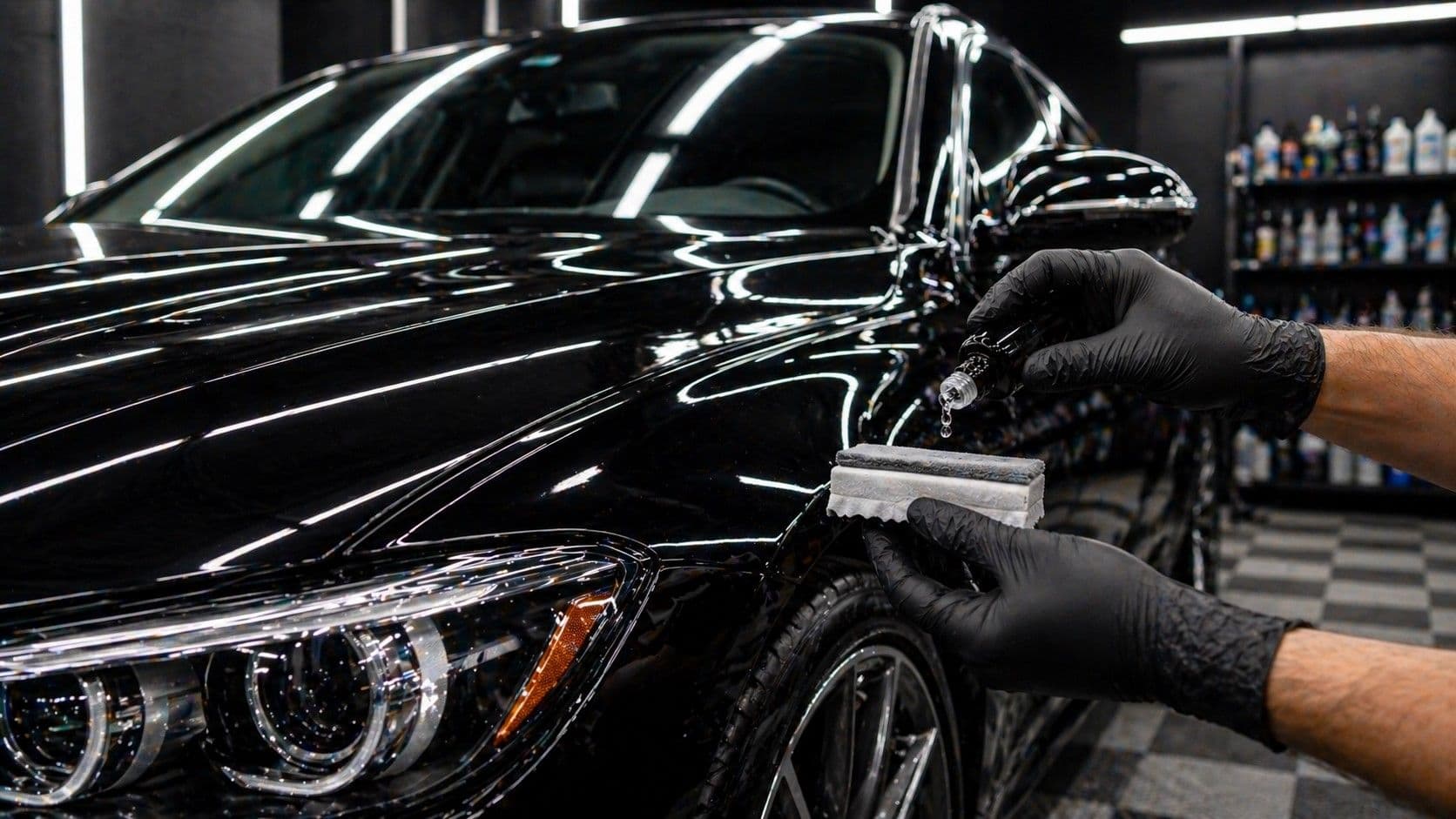
Car owners today are increasingly focused on preserving the appearance and value of their vehicles, especially in the U.S., where daily driving conditions can vary widely. Many still rely on traditional waxing, while others explore modern alternatives and question what ceramic coating is and whether it justifies the cost. The confusion around ceramic coating vs wax and long-term value continues to influence buying decisions.
Ceramic coating has become one of the most popular long-term paint protection solutions, offering durability and ease of maintenance compared to traditional methods. Understanding how it works and what it offers helps determine if it is the right investment.
Here is a detailed breakdown of how ceramic coating works, its benefits, lifespan, and whether it is worth it in real-world conditions.
What Is Ceramic Coating on a Car?
Many people wonder, ‘What is ceramic coating?’ In simple terms, it is a semi-permanent liquid layer applied to a vehicle’s exterior. Once applied, it bonds with the factory paint and creates a protective surface that does not wash away easily or break down with regular exposure to the environment.
Unlike wax, which simply sits on top of the paint and fades over time, ceramic coating becomes part of the surface. This makes paint protection ceramic coating much stronger and more durable, helping protect the car from dirt, UV rays, and light damage.
The end result is a long-lasting protective layer that not only keeps the paint safer but also improves the overall look of the vehicle.
How Does Ceramic Coating Work on Car Paint?
To understand its effectiveness, it is important to look at how the coating interacts with the vehicle surface.
Ceramic coating protection works by forming a strong bond with the vehicle’s paint. After application, the liquid polymer cures and turns into a clear, solid layer on top of the surface.
Unlike wax or sealants that simply sit on the paint and wear off over time, ceramic coating protection becomes part of the paint itself. This is what makes it more durable and longer-lasting.
This process forms a bonded layer that becomes part of the paint system. It also creates a hydrophobic coating on the car surface that repels water, allowing it to bead and slide off easily. At the same time, it acts as a barrier against dirt, contaminants, and chemicals, which improves overall ceramic coating durability.
What Are the Main Benefits of Ceramic Coating?
The growing popularity of ceramic coating benefits is driven by its ability to address multiple vehicle care challenges. The following sections outline its most important advantages.
Hydrophobic Properties
One of the key features of a hydrophobic coating for a car is its ability to repel water. Instead of spreading across the surface, water forms small beads and rolls off quickly.
Dirt, dust, and road grime do not cling to the surface as easily. This makes the car easier to clean and helps it stay cleaner for longer.
Long-Lasting Protection
Traditional wax usually lasts only a few months and needs to be reapplied often. In comparison, the ceramic coating lifespan can extend for years, providing steady and reliable protection.
This longer durability means fewer reapplications and helps maintain the condition of the surface over time.
UV and Chemical Resistance
Regular exposure to sunlight can cause the paint to fade and lose its shine over time. Ceramic coating protection helps reduce this effect by adding a layer that resists UV damage and keeps the color looking fresh.
It also acts as a barrier against things like bird droppings, tree sap, and road salts, which can stain or damage the paint if left untreated.
Enhanced Gloss & Shine
One of the biggest benefits of ceramic coating is how much better it makes the car look. It adds depth and clarity to the paint, giving it a rich, glossy finish.
The surface stays looking polished and well-maintained for a longer time compared to untreated paint.
Protection Against Minor Scratches
Ceramic coating’s durability helps reduce the chances of light scratches and swirl marks showing on the surface. However, it is not completely scratch-proof.
This extra layer adds a bit of resistance against small abrasions, which helps the paint stay in better condition over time.
All of these benefits together make ceramic coating a reliable choice for both protection and maintaining the overall look of the vehicle.
How Long Does Ceramic Coating Last on a Car?
Knowing how long does ceramic coating last helps in understanding its overall value. In most cases, it lasts 2 to 5 years, while higher-quality options can last up to 7 years.
The actual ceramic coating lifespan depends on factors like the quality of the product, how well the surface is prepared before application, and the level of care it receives afterwards. With proper application and consistent maintenance, it tends to last much longer.
What Factors Affect Ceramic Coating Lifespan?
Several things can affect how well a ceramic coating holds up over time. The quality of the coating itself makes a big difference, as better products are more resistant to wear and environmental exposure.
The way it is applied also matters. Proper surface preparation and paint correction help the coating bond better with the paint, which improves its performance.
External conditions like sunlight, pollution, and harsh weather can slowly impact the coating as well. On top of that, regular maintenance plays an important role. Cleaning the car with gentle, pH-neutral products helps keep the coating in good shape.
All of these factors together influence how well the coating performs and how long it lasts.
Ceramic Coating vs Wax: Which Offers Better Protection?
When comparing ceramic coating vs wax, the difference mainly comes down to how long they last and how much protection they provide. Wax has been used for years, but ceramic coating offers a more modern and long-term solution.
The table below shows the key differences:
| Factor | Wax | Ceramic Coating |
|---|---|---|
| Lifespan | Few months | 2–7 years |
| Protection Level | Basic | Advanced |
| Application Frequency | Frequent | One-time (long-term) |
| Hydrophobic Effect | Moderate | Strong |
| Durability | Low | High |
Ceramic coating lasts much longer than wax, so it does not need to be reapplied as often. It also provides stronger protection, which helps maintain the paint in better condition over time.
This comparison makes it clear why ceramic coating is often chosen for long-term durability and easier maintenance.
Ceramic Coating Pros and Cons You Should Know
Looking at ceramic coating’s pros and cons helps in understanding what to expect before making a decision.
Pros
- Offers long-lasting protection, so frequent reapplication is not needed
- Makes cleaning easier due to its water-repelling properties
- Improves the overall look of the car with a glossy finish
- Helps in maintaining the vehicle’s value over time
Cons
- Costs more upfront compared to waxing
- Usually requires a professional application for best results
- Does not fully protect against deep scratches or heavy damage
This gives a clearer picture of where ceramic coating works well and what its limits are.
Is Ceramic Coating Worth It for U.S. Drivers?
Many people wonder if investing in ceramic coating really makes sense, especially with different driving conditions across the U.S. From strong sunlight to snow, road salt, and pollution, a car’s paint goes through a lot.
In such conditions, ceramic coating adds a layer that helps the surface handle this exposure better. It also cuts down the need for frequent cleaning or detailing, which makes a noticeable difference for cars used regularly.
When looking at the long-term benefits, it becomes easier to see why many consider car ceramic coating to be worth it. It helps maintain the car’s appearance and can also support better resale value over time.
For those who want a balance of protection, convenience, and long-term savings, it turns out to be a practical choice.
Who Should Get Ceramic Coating for Their Car?
Ceramic coating can be more useful for some vehicle owners, depending on how they use and maintain their cars. New car owners can use it to keep their factory paint looking fresh for a longer time.
It also works well for daily drivers, as it helps reduce the impact of dust, sunlight, and other environmental factors. Car enthusiasts often prefer to maintain a clean, glossy finish.
People living in areas with harsh weather conditions can benefit from the added protection against sun exposure, road salt, and pollution. When paired with reliable options like Global Hi-Tech Films, results tend to be more consistent and long-lasting.
Checklist Before Investing in Ceramic Coating
A few basic things can help the coating perform better and last longer.
- Select a good-quality coating
- Make sure the paint is cleaned and prepared properly
- Get it applied by a professional for better results
- Maintain it regularly to support the ceramic coating's lifespan
These simple steps can help get the best results in the long run.
Final Verdict
Ceramic coating is a long-term solution for protecting a car’s paint and performs much better than traditional wax. It offers strong ceramic coating protection, improves the overall look of the car, and reduces the need for frequent maintenance.
It brings together durability, protection, and a better finish, which makes it a solid choice for long-term car care.
For anyone looking for something that holds up well over time and keeps the paint in good shape, ceramic coating is a practical option.
FAQs About Ceramic Coating
- What is ceramic coating, and how does it work on a car? Ceramic coating is a liquid applied to your car’s paint that bonds with it and adds a protective layer. It helps keep water, dirt, and grime from sticking easily.
- How long does ceramic coating last on a vehicle? It usually lasts around 2 to 5 years. Some high-end coatings can last longer if the car is well-maintained.
- Is ceramic coating worth it in the U.S.? For most drivers, yes. It helps protect against sun exposure, road grime, and changing weather while reducing upkeep.
- What are the main benefits of ceramic coating? It protects the paint, keeps the car looking shiny, and makes cleaning much easier. The finish also stays better for longer.
- Is ceramic coating better than wax or sealant? In most cases, yes. It lasts much longer and offers stronger protection, while wax wears off pretty quickly.
- Does ceramic coating protect against scratches and rock chips? It can help with light swirl marks and small scratches. It will not stop deeper scratches or damage from rocks.
- What factors affect the lifespan of ceramic coating? It really comes down to how well it was applied and how the car is treated afterward. Things like sun exposure, road conditions, and even how often it’s washed all play a part.
- Can ceramic coating be applied at home, or is professional installation better? You can try doing it yourself, though it’s easy to get uneven results. Most people go with professionals since the finish tends to come out cleaner and lasts longer.
- Does ceramic coating improve a car’s resale value? It can make a difference since the paint usually stays in better shape. A car that looks well cared for tends to leave a better impression on buyers.
- How do you maintain a car after applying ceramic coating? Regular washing is usually enough to keep it looking good. Using gentle products and avoiding rough cleaning methods helps keep the coating intact.
Read also
 Global Hi-Tech FilmsWindow Films
Does Automotive Window Film Affect GPS, Mobile Signals or Keyless Entry?
Does automotive window film affect GPS, mobile signals or keyless entry? Learn how film construction can influence vehicle connectivity and signals. Explore now.
 Global Hi-Tech FilmsArchitecture
Can Window Film Be Applied to Double-Pane and Low-E Glass?
Can window film be used on double-pane and Low-E glass? Learn about compatibility, glass types, thermal stress and key installation factors. Explore now.
 Global Hi-Tech FilmsWindow Films
Why Does Automotive Window Film Bubble, Peel or Change Color?
Discover why automotive window film bubbles, peels or changes color, the common causes of film failure, and how quality installation helps prevent damage.