

What Is Paint Protection Film (PPF) & Is It Worth It? A Complete Guide
Learn how Paint Protection Film (PPF) prevents scratches, stone chips, and UV damage. Discover benefits, lifespan, cost, and why PPF is worth it for cars.
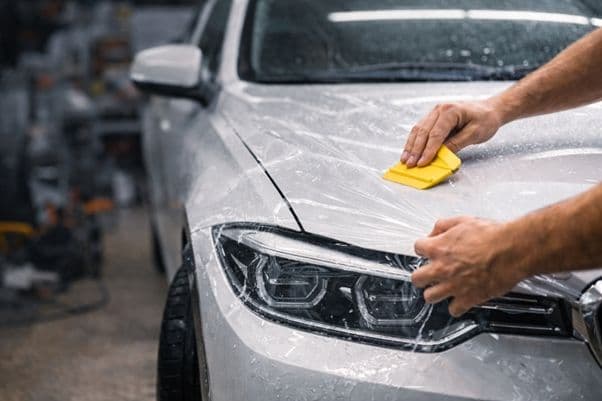
Modern vehicles are constantly exposed to conditions that can damage exterior paint. Driving every day introduces risks such as surface scratches, stone chips, and swirl marks from washing, as well as long-term degradation from UV exposure. Over time, these factors can dull the car’s finish, reduce its gloss, and affect the vehicle’s value. Paint protection film is a simple solution to this very common problem. This modern, high-performance film is designed to preserve factory paint.
When applied as a transparent protective layer, PPF shields painted surfaces from scratches, stone chips, UV exposure & extreme heat, and minor abrasions, helping vehicles maintain their shiny appearance for years. In this blog, we will explore more about this protective layer: how it works, its types, and answer an important question: Is Paint Protection Film worth it?
What Is Paint Protection Film (PPF)?
Paint protection film (PPF) is a transparent polyurethane film applied to a vehicle’s exterior to protect its original factory finish from scratches, stone chips, UV rays, and minor abrasion without altering its appearance.
Modern Paint Protection Film (PPF) vs Traditional Paint Protection
Earlier, PPF for cars relied on vinyl or plastic layers that were prone to yellowing, cracking, or loss of clarity. Modern PPFs differ in the following way:
- Advanced thermoplastic polyurethane (TPU) construction.
- High optical clarity.
- Resistance to yellowing and staining.
- Long-term flexibility and durability.
These advancements make PPF today suitable for both daily-driven vehicles and high-value automobiles. Modern films by manufacturers such as Global Hi-Tech Films use advanced TPU construction, high optical clarity, and UV-resistant coatings to deliver long-term protection without altering the vehicle’s appearance.
How Does Paint Protection Film (PPF) Work?
PPF for cars functions through a layered structure engineered to absorb impact, resist abrasion, and recover from minor damage.
Layer Structure of Paint Protection Film (PPF)
- Top Coat: A clear, elastic surface layer that resists stains and allows minor scratches to self-heal with heat exposure.
- TPU Base Layer: The primary impact-absorbing layer that protects against stone chips, road debris, and abrasions.
- Adhesive Layer: A pressure-sensitive adhesive that ensures secure bonding while allowing safe removal without paint damage.
Self-Healing Paint Protection Film Technology Explained
Self-healing paint protection film uses elastic polymers that return to their original form when exposed to warmth. Light scratches and swirl marks gradually disappear under sunlight or warm water, eliminating the need for frequent polishing.
This structure enables car paint protection films to prevent damage rather than merely mask it.
Benefits of Paint Protection Film (PPF)
There are many advantages of using PPF car protection, such as:
Scratch and Stone-Chip Protection with PPF
PPF offers effective resistance against:
- Minor surface scratches.
- Impact from stone and debris.
- Abrasion caused by frequent driving.
UV and Oxidation Resistance of Paint Protection Film
Continuous UV exposure leads to paint fading and oxidation. Another paint protection film benefit is that it filters harmful UV rays, maintaining color depth and gloss.
How Paint Protection Film Preserves Resale Value
Vehicles with well-preserved factory paint typically command higher resale value. By preventing paint damage, PPF plays a direct role in long-term value retention.
Paint Protection Film for Daily and Luxury Vehicles
- Daily drivers benefit from reduced cosmetic wear.
- Luxury, sports, and performance vehicles maintain showroom-level finishes.
These advantages define the core benefits of paint protection films.
Differences Between PPF and Ceramic Coating
Let’s understand the differences between how paint protection film and ceramic coating work:
| Feature | PPF | Ceramic Coating |
|---|---|---|
| Rock chip protection | Yes | No |
| Scratch resistance | High (physical barrier) | Low (chemical resistance only) |
| Self-healing | Yes | No |
| Impact protection | Yes | No |
| Lifespan | 5 to 10 years | 1 to 3 years |
| Cost | Higher | Lower |
Paint Protection Film Cost: Pricing, Coverage & Factors
General Paint Protection Film Cost Range
The paint protection film cost usually varies based on the following factors:
- Partial Coverage (high-impact panels only): Typically costs between €700 to €1,700.
- Full-vehicle coverage: Usually costs €3,800 to €7,700+.
Factors That Affect Paint Protection Film Cost
- Vehicle size and body complexity
- Quality and brand of film
- Coverage area
- Installer’s skill and warranty terms.
Although the upfront cost of the paint protection film’s installation is higher than surface coatings, PPF often reduces long-term repainting and restoration expenses.
How Long Does Paint Protection Film (PPF) Last?
Average Lifespan of Paint Protection Film
A high-quality paint protection film’s lifespan typically is 5 to 10 years, depending on environmental exposure and maintenance practices.
Paint Protection Film Warranty Expectations
Most premium PPF products include warranties covering:
- Yellowing or discoloration
- Cracking or peeling
- Adhesive failure.
Paint Protection Film Maintenance Tips
- Regular washing with non-abrasive products.
- Avoid harsh chemicals
- An optional ceramic coating is applied over PPF for easier maintenance.
Proper care extends the overall lifespan of the paint protection film.
What Professional Installers Look for in a Quality PPF?
Professional installers evaluate paint protection films based on appearance, reliability, and performance during installation. Key technical factors include:
Film Stretch and Conformability
High-quality PPF stretches evenly without distorting, allowing it to conform smoothly to complex curves, sharp edges, and recessed panels without overstressing the material.
Adhesive Respositioning
A premium adhesive allows controlled repositioning during installation, enabling precise alignment without premature bonding or adhesive residue.
Edge Stability
Quality films maintain firm adhesion at edges and corners, reducing the risk of peeling or curling after installation, washing, or heat exposure.
Resistance to Lift-Back
Superior PPF resists lifting once set, ensuring the film stays locked in place, even in high-impact or high-heat areas.
Consistency Across Batches
Installers rely on uniform thickness, clarity, and adhesive behavior across production batches to deliver consistent results and avoid rework or fitting issues.
These characteristics together determine installation efficiency, finish quality, and long-term performance, making them critical benchmarks for professional-grade PPF selection.
Is Paint Protection Film (PPF) Worth It for Cars?
As a vehicle owner, you may find yourself with the question: ‘Is Paint Protection Film worth it?’ For most new vehicles, PPF is not an expense, but insurance for your paint.
When Paint Protection Film Is Worth It
- For new vehicles with pristine paint.
- High-value or performance vehicles.
- Owners planning extended ownership.
- Vehicles are exposed to frequent driving or harsh environments.
When Paint Protection Film May Not Be Necessary
- For vehicles with heavily damaged paint.
- Short-term ownership plans
- Situations where cosmetic protection is not a priority.
In most cases, PPF delivers the highest value when installed early in a vehicle’s lifecycle.
Who Should Get Paint Protection Film (PPF)?
PPF installation helps with the following:
- New Car Owners: Applying PPF early protects the factory paint from initial wear and tear. It helps the vehicle retain a fresh, showroom-like appearance over time.
- Luxury and Sports Car Owners: Premium vehicles require premium protection for their high-quality finishes. PPF shields expensive paintwork and preserves exclusivity.
- Highway Commuters: Frequent highway driving exposes cars to stone chips and debris. PPF absorbs these impacts and prevents permanent paint damage.
- People planning long-term ownership: Long-term use increases the risk of paint damage. PPF for cars maintains the exterior condition and supports stronger resale value.
Conclusion: Is Paint Protection Film a Smart Investment?
Paint protection films offer a comprehensive solution for preserving a vehicle’s factory paint. By combining impact resistance, UV protection, and self-healing technology, PPF delivers long-term cosmetic protection and supports higher resale value.
For owners seeking durable, low-visibility protection, Paint protection films are a practical and future-ready investment. Consult a professional installer from Global Hi-Tech Films to ensure you choose the right coverage and film type for specific driving conditions.
FAQs on Paint Protection Film (PPF)
- What is Paint Protection Film (PPF)? Paint Protection Film (PPF) is a transparent thermoplastic polyurethane (TPU) film applied to a vehicle’s painted surfaces to protect against scratches, stone chips, UV exposure, and minor abrasions.
- How does Paint Protection Film work? PPF absorbs impact from road debris and minor scratches, preventing damage from reaching the paint. Advanced films also feature self-healing technology that helps light scratches disappear with heat.
- Is Paint Protection Film (PPF) worth it for cars? PPF is especially worth it for new vehicles, high-value cars, and vehicles driven frequently or on highways, where paint damage risk is higher.
- What are the main benefits of Paint Protection Film? Key benefits include protection from scratches and stone chips, UV resistance, preservation of factory paint, and improved long-term resale value.
- How long does Paint Protection Film last? High-quality PPF typically lasts 5 to 10 years, depending on driving conditions, climate, and maintenance.
- Does Paint Protection Film affect a car’s appearance or resale value? No. PPF is virtually invisible when installed correctly and helps maintain the vehicle’s original finish, often increasing resale value.
- Can Paint Protection Film be removed without damaging the paint? Yes. When removed by a professional installer, PPF can be safely removed without harming the original paint.
- Which parts of a car should be covered with Paint Protection Film? You can cover high-impact areas such as bumpers, hoods, fenders or the entire vehicle for full protection.
Read also
 Global Hi-Tech FilmsWindow Films
Does Automotive Window Film Affect GPS, Mobile Signals or Keyless Entry?
Does automotive window film affect GPS, mobile signals or keyless entry? Learn how film construction can influence vehicle connectivity and signals. Explore now.
 Global Hi-Tech FilmsArchitecture
Can Window Film Be Applied to Double-Pane and Low-E Glass?
Can window film be used on double-pane and Low-E glass? Learn about compatibility, glass types, thermal stress and key installation factors. Explore now.
 Global Hi-Tech FilmsWindow Films
Why Does Automotive Window Film Bubble, Peel or Change Color?
Discover why automotive window film bubbles, peels or changes color, the common causes of film failure, and how quality installation helps prevent damage.