

What to Expect When Getting PPF for Your Car
Learn what to expect when getting PPF for your car, including installation, costs, benefits, and maintenance tips to ensure long-lasting paint protection.
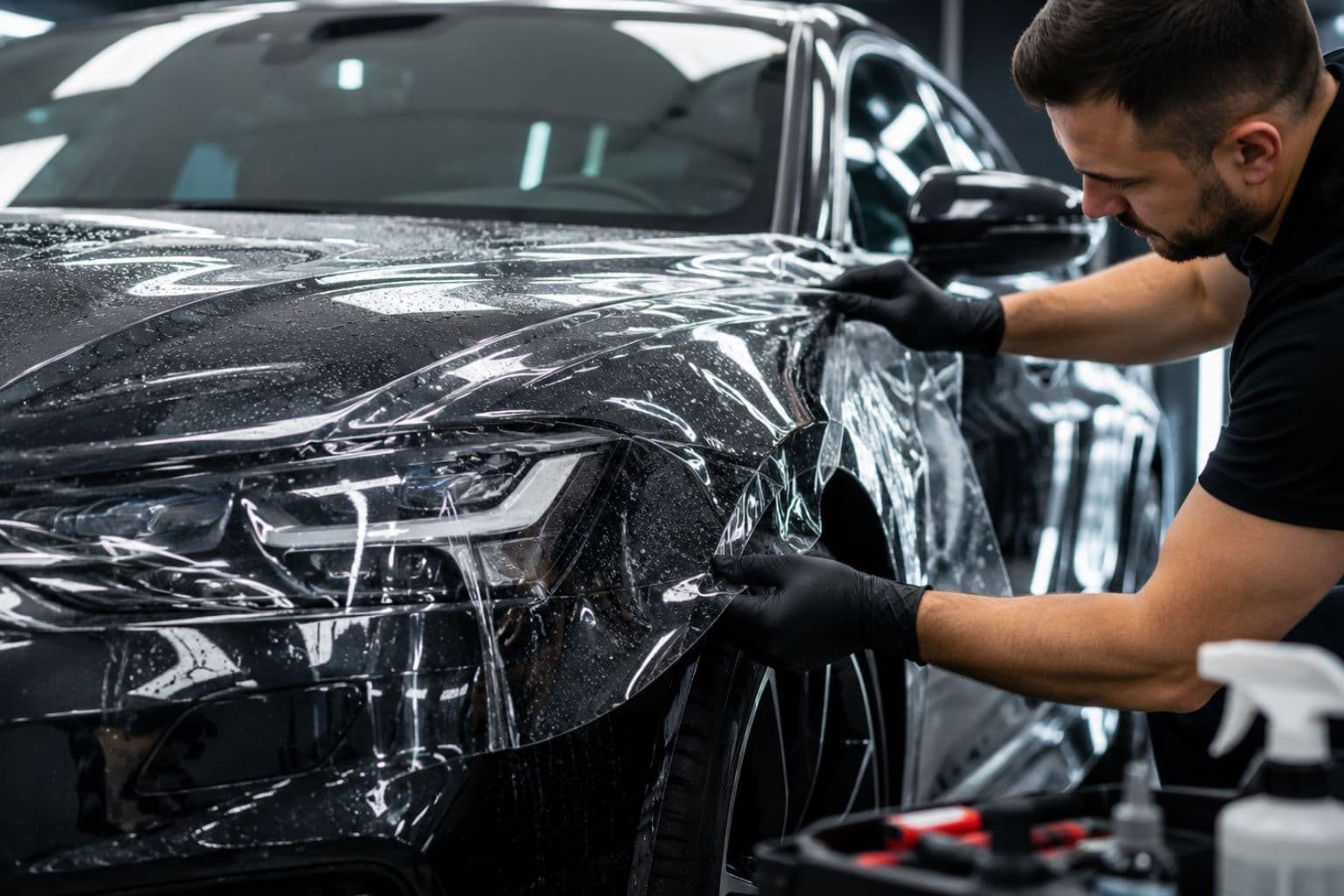
Getting PPF for your car is more than just adding a protective layer. It involves proper preparation, installation, curing, and aftercare to ensure the best results. A quality PPF for car installation helps protect the paint from scratches, stone chips, stains, UV rays, and road debris while keeping your vehicle looking newer for longer.
From luxury sedans and sports cars to family SUVs and daily commuters, more vehicle owners are choosing paint protection film for car surfaces to reduce wear and maintain long-term value. The process, however, takes time and expertise. Film quality, paint condition, and installer skill all play a major role in the final result.
Whether you are considering PPF for new car protection or upgrading an older vehicle, understanding the installation journey helps set realistic expectations.
Let us explore each stage of the process and what you can expect before, during, and after installation.
What to Expect When Getting PPF for Your Car? Quick Answer
When getting PPF for your car, the installer will first check the condition of the paint and discuss the right coverage option for your vehicle. If there are visible scratches, swirl marks, or other minor imperfections, paint correction may be recommended before installation.
The surface is then cleaned and decontaminated before the film is applied using a wet installation technique. During the early days after installation, minor haze, moisture pockets, or small bubbles may appear as part of the curing period.
The film typically requires a curing period before washing, and long-term results depend on proper PPF aftercare and routine PPF maintenance.
What Is PPF for Cars? Benefits, Types & How It Works
PPF, or Paint Protection Film, is a transparent or matte clear protective film applied over painted vehicle surfaces. Made primarily from thermoplastic polyurethane (TPU film), it acts as a sacrificial layer between the paint and external hazards.
Modern car paint protection film helps defend against:
- Stone chips
- Light scratches
- Road debris
- Bug splatter
- Bird droppings
- UV exposure
- Environmental contaminants
Many premium products also feature self-healing PPF technology, hydrophobic properties, and anti-yellowing protection. In some markets, PPF is also referred to as a clear bra for car protection.
By creating a durable barrier over factory paint, PPF supports long-term paint preservation and may contribute to improved resale value.
PPF Installation Process: Step-by-Step Guide for Cars
Car PPF Installation involves several important steps. Each stage contributes to the appearance, durability, and effectiveness of the finished installation.
PPF Consultation & Inspection: Choosing Coverage, Film & Cost
Every successful paint protection film installation begins with a detailed inspection.
The installer evaluates the paint condition and identifies existing scratches, swirl marks, chips, oxidation, or other imperfections. During this consultation, vehicle owners select the desired coverage area, whether partial protection, full front coverage, or full body PPF.
You can choose from gloss, matte, hydrophobic, or self-healing PPF depending on your preference. The installer will also walk you through the expected installation time, PPF installation cost, and the basic care needed after installation.
A thorough consultation helps ensure that both the installer and vehicle owner have clear expectations before work begins.
Paint Correction Before PPF: Why It’s Important for Best Results
Since PPF seals in the current condition of the paint, correcting imperfections beforehand is often recommended.
Small scratches, swirl marks, oxidation, and water spots can still show through the film if they are not fixed beforehand. Paint correction helps smooth out these imperfections and gives the paint a cleaner, clearer finish before PPF is installed.
Vehicles with deeper paint damage, dents, or chipped areas may require additional repairs before installation.
Addressing paint defects beforehand helps maximize the appearance of the finished film.
Surface Preparation for PPF: Cleaning, Decontamination & Prep
Proper surface preparation plays a critical role in film performance.
The vehicle undergoes a thorough wash and decontamination process to remove dirt, embedded contaminants, oils, and residues. Installers may use clay bars, iron removers, and specialized degreasers to achieve a perfectly clean surface.
Strong film adhesion depends heavily on preparation quality. Contaminants trapped beneath the film can lead to bubbles, lifting, or visual imperfections.
A clean foundation helps ensure a smooth and durable installation.
How PPF Is Installed on Cars: Techniques, Tools & Methods
The actual PPF installation process requires patience, precision, and technical expertise.
A specialized slip solution is applied to allow the film to be positioned accurately. The installer aligns the film carefully before using squeegee application techniques to remove excess water and air.
Depending on the installation method, the film may be applied using:
- Pre-cut PPF templates
- Bulk installation methods
Many installers also perform edge wrapping to create a cleaner appearance and improve durability.
Complex curves, corners, and body lines often demand advanced installation skills, making professional installation one of the most important factors in achieving excellent results.
PPF Curing Time Explained: What Happens After Installation
Once installed, the film enters an important curing stage.
During this period, moisture trapped beneath the film gradually evaporates as the adhesive fully bonds to the paint. Small water bubbles, minor haze, and moisture marks are common during the early days.
Typical PPF curing time includes:
- Initial settling: 24–48 hours
- Most of the curing: 5–7 days
- Full cure: 1–2 weeks
The curing process may happen a little faster in warmer weather.
Patience during this stage helps ensure optimal film performance.
Final Results of PPF: Finish, Protection & Long-Term Benefits
Once the film has fully cured, a high-quality PPF is usually hard to notice on the vehicle.
Gloss films can add extra shine, while matte films help maintain a satin-like look. The film continues to provide stone chip protection, scratch resistance, and road debris protection during everyday driving.
Many premium films also offer:
- Hydrophobic surface technology
- UV resistance
- Heat-activated self-healing properties
These features make the vehicle easier to clean and help keep the paint looking its best for years.
PPF Coverage Options Explained: Partial vs Full Front vs Full Body
PPF coverage can be customized according to budget, driving habits, and protection goals.
The following table provides a general overview of common coverage options.
| Coverage Type | What It Covers | Expected Time | Approx. Cost |
|---|---|---|---|
| Partial PPF | Bumper, hood edge, mirrors, door cups | 4–6 hours | €400–€1,300 |
| Full Front PPF | Full hood, bumper, fenders, mirrors, headlights | 1–2 days | €1,000–€3,000 |
| High-Impact Zones | Bumper, rocker panels, door edges, fenders | 1–2 days | €850–€2,100 |
| Full Body PPF | All painted exterior panels | 3–5 days | €3,400–€6,800+ |
| Matte PPF | Selected or full matte/satin panels | 1–5 days | Varies by coverage |
The right coverage depends on how and where you drive. If your car spends a lot of time on highways, full front PPF or full body PPF may offer better protection. For regular city driving, protecting areas like the front bumper PPF, mirrors, and door edges is often enough.
What to Expect Immediately After PPF Installation
The appearance of the vehicle immediately after installation may differ slightly from the final cured result.
Minor bubbles, moisture pockets, and light haze are often temporary and usually disappear as the film settles. Edges may also require a short period to fully conform to the vehicle’s contours.
For the first week after installation:
- Do not wash the car
- Avoid rubbing or wiping the film too hard
- Do not polish the film
- Keep pressure washers away from the film edges
A little warmth and sunlight can help the film settle and cure properly.
Large bubbles, lifting edges, or contamination that remains after curing should be evaluated by the installer.
How to Maintain PPF After Installation
Proper PPF aftercare helps extend film performance and appearance.
Wash the car regularly using a pH-neutral shampoo and a soft microfiber cloth. Bird droppings, tree sap, bug splatter, and other contaminants should be cleaned off as soon as possible to help prevent stains.
Additional maintenance recommendations include:
- Avoid abrasive products
- Avoid harsh chemicals
- Avoid petroleum-based cleaners
- Use PPF-safe sealants if recommended
- Follow the installer’s care instructions
Consistent PPF maintenance helps preserve both appearance and durability.
Factors to Consider Before Getting PPF for Your Car
Several factors should be evaluated before investing in PPF coating for car protection.
PPF Film Quality Guide
A high-quality TPU film usually lasts longer and keeps its appearance better over time.
Features like self-healing, water resistance, UV protection, and anti-yellowing can make a noticeable difference. Be sure to review the warranty as well.
Why Installer Experience Matters in PPF Installation
Even the best film may not perform well if it is not installed properly.
Poor installation can cause bubbles, dirt under the film, lifting edges, and visible lines. Experienced installers with expertise in car detailing know how to apply the film neatly and achieve a clean finish.
PPF Coverage for Your Driving Needs
Protection needs can vary depending on how and where you drive.
Vehicles that spend more time on highways may need wider coverage, while city-driven cars often focus on areas that are more likely to get chips and scratches. Many premium vehicles are protected with full-body PPF for added peace of mind.
How Paint Condition Affects PPF Results
Existing paint defects should always be evaluated before installation.
Minor imperfections may require correction, while larger chips or dents may need repair. Installing PPF over damaged paint can affect the final appearance.
PPF Warranty & Lifespan: How Long Does PPF Last?
Most premium films are designed to last between 5 and 10 years.
A car PPF warranty can help cover problems such as yellowing, peeling, bubbling, or cracking. Reputed brands like Global Hi-Tech Films offer warranty coverage, but it's always worth reviewing the details carefully.
Conclusion: Is PPF Worth It for Your Car?
Getting PPF for your car protection is more than just applying a film. It involves proper inspection, surface preparation, professional installation, curing, and regular care.
Knowing what to expect during the process and following the recommended aftercare can help you get the best results. A quality car paint protection film helps protect against stone chips, scratches, UV rays, and everyday contaminants.
When installed and maintained properly, PPF for car protection can help keep your paint looking newer for longer while supporting your vehicle’s value. Choosing a premium film and a skilled installer can make all the difference.
FAQs on PPF
- What should I expect when getting PPF for my car? The process usually includes inspection, surface preparation, installation, curing, and aftercare. Some minor bubbles or haze may appear initially and fade as the film settles.
- How long does PPF installation take? Installation can take anywhere from a few hours to several days, depending on the coverage area and the vehicle's complexity.
- Is paint correction necessary before PPF? Paint correction is often recommended if the paint has scratches, swirl marks, or other imperfections, as these can remain visible under the film.
- Is it normal to see bubbles after PPF installation? Yes, small bubbles or moisture marks are common after installation and usually disappear during the curing period.
- How long should I wait before washing my car after PPF? Most installers recommend waiting about 5 to 7 days before washing the vehicle.
- How much does PPF cost for a car? The cost depends on the type of film and coverage selected, ranging from a few hundred euros for partial coverage to several thousand euros for full-body protection.
- What areas of the car should be covered with PPF? Common areas include the front bumper, hood, fenders, mirrors, door edges, and other high-impact zones.
- How long does PPF last on a car? A quality PPF can typically last between 5 and 10 years when properly maintained.
- Can PPF be removed without damaging paint? Yes, professionally installed PPF can usually be removed safely without damaging the original paint.
- Is PPF worth it for a new car? Many owners choose PPF for new cars since it helps protect the factory paint from chips, scratches, and everyday wear from the start.
Read also
 Global Hi-Tech FilmsWindow Films
Does Automotive Window Film Affect GPS, Mobile Signals or Keyless Entry?
Does automotive window film affect GPS, mobile signals or keyless entry? Learn how film construction can influence vehicle connectivity and signals. Explore now.
 Global Hi-Tech FilmsArchitecture
Can Window Film Be Applied to Double-Pane and Low-E Glass?
Can window film be used on double-pane and Low-E glass? Learn about compatibility, glass types, thermal stress and key installation factors. Explore now.
 Global Hi-Tech FilmsWindow Films
Why Does Automotive Window Film Bubble, Peel or Change Color?
Discover why automotive window film bubbles, peels or changes color, the common causes of film failure, and how quality installation helps prevent damage.