

Why Do Cars Get Rust Spots? Common Causes and How to Prevent Them
Learn why cars get rust spots, common causes of car rust and early warning signs. Discover practical ways to prevent corrosion and protect your car.
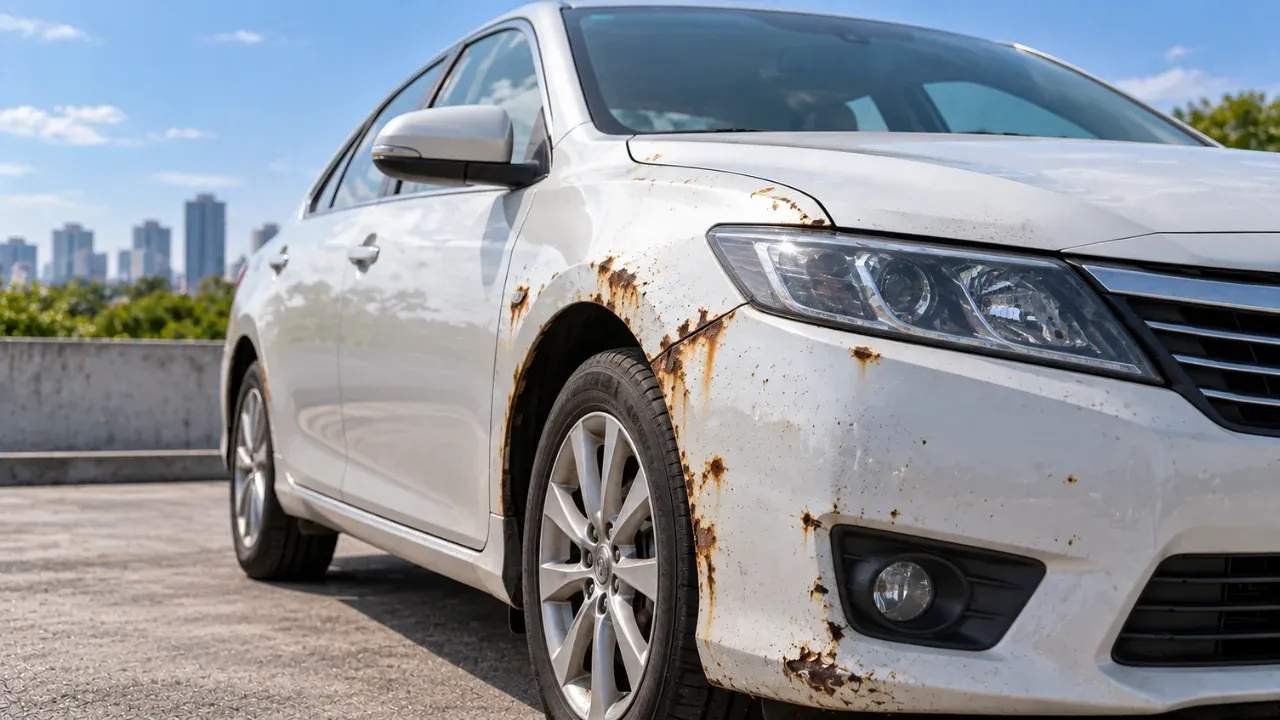
Cars get rust spots when moisture and oxygen react with iron or steel surfaces, particularly where protective paint or coatings have been damaged or compromised. This chemical process, known as oxidation, can compromise both the appearance and structural integrity of a vehicle over time. While modern vehicles use galvanization, protective coatings, and other corrosion-resistant treatments, rust remains a potential concern when metal surfaces are damaged or exposed to moisture and contaminants. Understanding the common causes of car rust is the first step toward effective prevention and long-term preservation of your vehicle.
The Chemistry of Car Rust: How It Starts
At its core, rust is the result of a simple chemical reaction. When the protective layers of a vehicle are compromised, the underlying iron or steel is exposed to the elements. When iron reacts with oxygen in the presence of water or moisture, it undergoes corrosion and forms iron oxides, commonly referred to as rust.
This process can be accelerated by the presence of electrolytes, such as road salt or coastal sea spray. These substances increase the conductivity of water, speeding up the transfer of electrons and causing the metal to corrode more rapidly than it would in a dry, clean environment.
Common Causes of Rust Spots on Cars
Rust rarely appears spontaneously on a well-maintained vehicle. It is almost always the result of specific environmental factors or physical damage. To help you identify potential risks, review the table below detailing the most common causes of car rust spots.
| Cause | How It Contributes to Rust Formation |
|---|---|
| Damaged Paint | Scratches, stone chips, and dents can damage the paint system and expose the underlying metal to oxygen and moisture. |
| Road Salt and De-icing Chemicals | Salt acts as a powerful electrolyte that accelerates the chemical reaction of oxidation, particularly in snowy regions or coastal areas. |
| Environmental Moisture | High humidity, frequent rain, and salty coastal air provide the moisture and electrolytes needed for corrosion to occur and linger on the vehicle. |
| Rail Dust and Industrial Fallout | Tiny ferrous particles from railway tracks, wheels, braking systems, and industrial activity can settle on the paint surface. When exposed to moisture, these particles can oxidize and appear as small orange or brown spots. |
| Trapped Dirt and Water | Clogged drainage holes in doors or dirt buildup in wheel wells can hold moisture against vulnerable metal parts for extended periods. |
How to Prevent Rust on Your Car
While you cannot control the weather, you can take proactive steps to minimize your vehicle's exposure to the elements and address vulnerabilities before they escalate.
Wash Your Car Regularly
Regular washing is one of the simplest ways to reduce exposure to corrosive contaminants. Pay particular attention to the undercarriage and wheel wells, especially after driving through areas with road salt or near the coast. Removing these materials before they have time to react with the metal is a highly effective preventative measure.
Use Car Wax or a Paint Sealant
Wax and paint sealants add a protective layer over the finish that can help repel water and reduce the surface's exposure to contaminants. This sacrificial barrier makes it more difficult for moisture and environmental pollutants to penetrate the paint system.
Fix Scrapes and Chips Quickly
Do not ignore minor cosmetic damage. For deeper chips or scratches that expose metal, use an appropriate touch-up paint system or have the area professionally repaired. Sealing these small breaches prevents oxygen and moisture from reaching the bare metal underneath.
Keep Drain Holes Clear
Vehicles are designed with drainage channels in the bottom of doors, rocker panels, and the sunroof to allow water to escape. Regularly inspect and clean these drain holes to ensure water does not pool inside the panels, which can lead to rust forming from the inside out.
Protect Vulnerable Areas with PPF
Applying paint protection film (PPF) to vulnerable areas can help reduce the risk of stone chips, scratches, and other surface damage that may expose the underlying paint or metal. Areas such as the front bumper, hood, fenders, and side mirrors can benefit from this added layer of protection. Advanced PPF products from manufacturers such as Global Hi-Tech Films are designed to provide a transparent barrier against road debris and environmental contaminants while helping preserve the underlying paint finish.
Protecting Your Vehicle from Rust
Understanding why cars get rust spots allows vehicle owners to take targeted, proactive measures to protect their investment. Rust is a natural chemical process driven by the exposure of metal to oxygen, moisture, and accelerants like road salt. By maintaining a consistent washing routine, promptly repairing paint damage, keeping drainage systems clear, and utilizing advanced protective solutions like paint protection film, you can effectively shield your vehicle from corrosion. Taking these preventative steps ensures your car remains structurally sound and visually appealing for years to come.
Frequently Asked Questions About Car Rust
- Can rust spots on a car be removed? Surface rust can often be removed if it is caught early. The affected area may need cleaning, sanding, rust treatment, and repainting. If corrosion has penetrated deeply or damaged the metal, professional repair or panel replacement may be required.
- What causes rust spots on cars? Rust spots form when iron or steel is exposed to moisture and oxygen. Damaged paint, road salt, coastal air, environmental contaminants, trapped moisture, and untreated scratches or stone chips can increase the risk of corrosion.
- Does road salt make cars rust faster? Yes. Road salt can accelerate corrosion by increasing the conductivity of moisture on metal surfaces. Vehicles driven in areas where roads are treated with salt or near coastal environments can therefore face a higher risk of rust.
- What is rail dust and does it cause rust spots? Rail dust consists of tiny ferrous particles that can settle on a vehicle's paint from railway tracks, wheels, braking systems, and industrial activity. When these particles come into contact with moisture, they can oxidize and appear as small orange or brown spots on the paint.
- How can I prevent rust on my car? Regularly wash your car, particularly after exposure to road salt, coastal air, or other contaminants. Repair deep scratches and stone chips promptly, keep drainage holes clear, and consider protective solutions such as wax, paint sealants, or PPF for vulnerable areas.
- Does PPF help prevent rust on cars? PPF can help reduce the risk of rust indirectly by protecting painted surfaces from stone chips, scratches, and road debris that can expose the underlying metal. It is primarily a paint-protection solution rather than a direct treatment for existing corrosion.
- Can small paint chips cause rust? Yes. A deep stone chip that penetrates the paint layers and exposes the underlying metal can allow moisture and oxygen to reach the surface, potentially leading to corrosion. Repairing exposed areas promptly can help reduce the risk of rust formation.
- How often should I wash my car to prevent rust? The ideal washing frequency depends on the climate, driving conditions, and level of exposure to contaminants. Wash your vehicle regularly and give it additional attention after driving near the coast, through muddy conditions, or on roads treated with salt.
Read also
 Global Hi-Tech FilmsWindow Films
Does Automotive Window Film Affect GPS, Mobile Signals or Keyless Entry?
Does automotive window film affect GPS, mobile signals or keyless entry? Learn how film construction can influence vehicle connectivity and signals. Explore now.
 Global Hi-Tech FilmsArchitecture
Can Window Film Be Applied to Double-Pane and Low-E Glass?
Can window film be used on double-pane and Low-E glass? Learn about compatibility, glass types, thermal stress and key installation factors. Explore now.
 Global Hi-Tech FilmsWindow Films
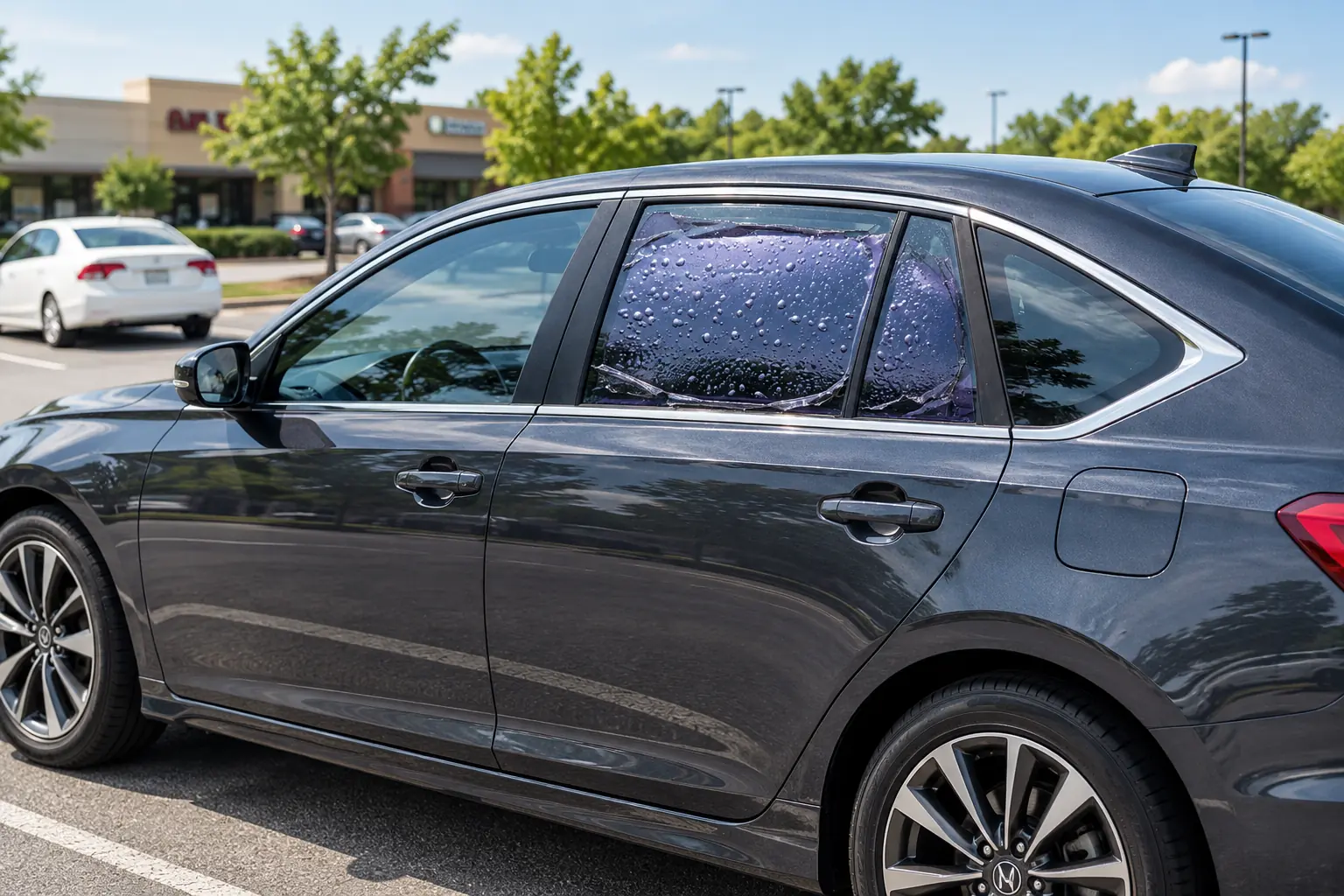
Why Does Automotive Window Film Bubble, Peel or Change Color?
Discover why automotive window film bubbles, peels or changes color, the common causes of film failure, and how quality installation helps prevent damage.