

Why Does Car Paint Fade? Common Causes, Prevention & Restoration Tips
Learn why car paint fades, the common causes of paint damage, and expert tips to prevent fading. Discover how ceramic coating and PPF protect your car.
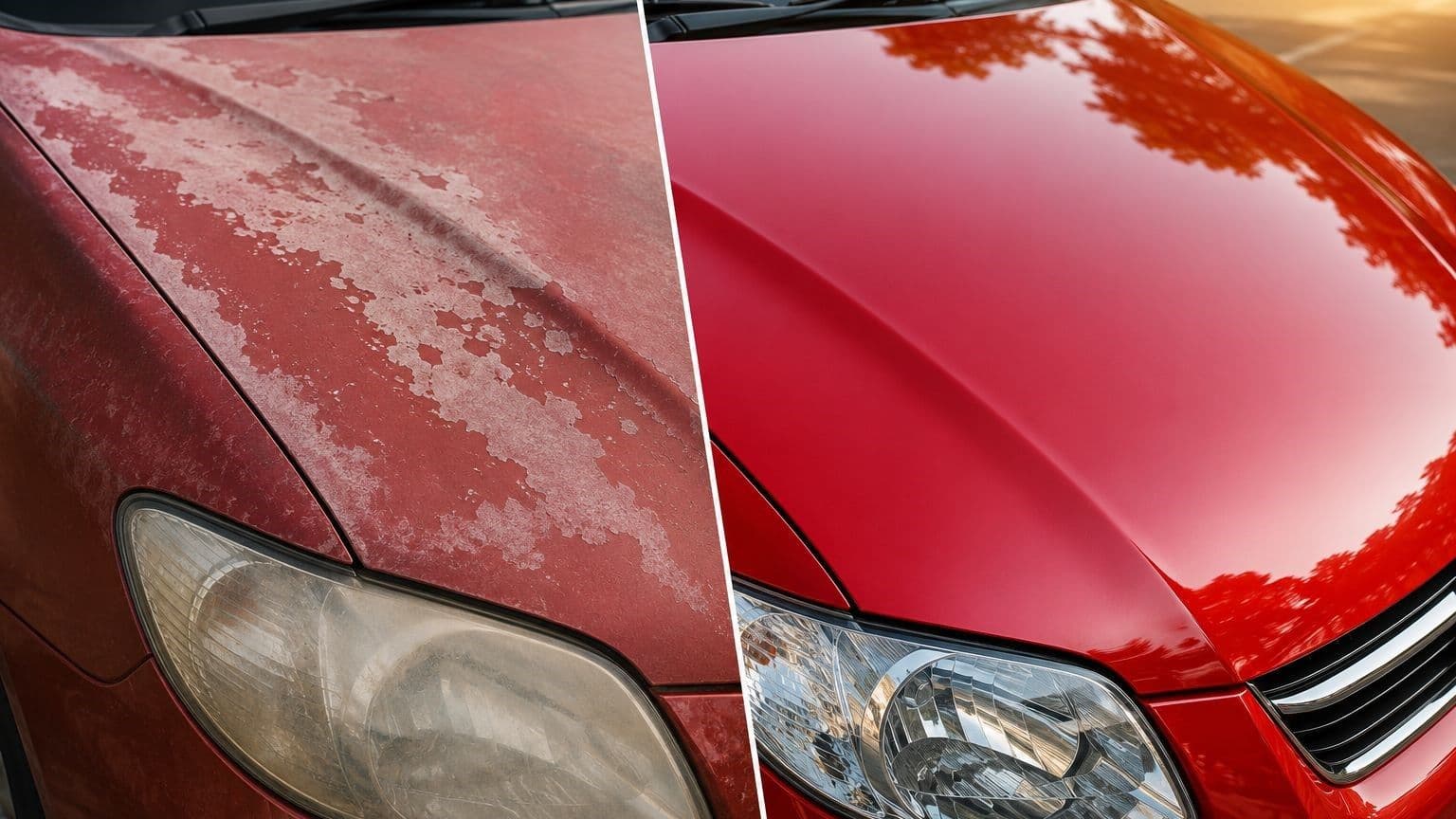
Car paint does more than enhance your vehicle's appearance; it also protects the body from environmental damage. However, constant exposure to sunlight, heat, pollution, acid rain, bird droppings, tree sap, and improper maintenance can gradually wear down this protective layer. Over time, the paint may lose its gloss, become dull, and start to fade. Understanding why car paint fades and the factors that contribute to it can help you take the right preventive measures, maintain your car's showroom finish, and preserve its resale value. In this guide, we'll explore the common causes of car paint fading and the best ways to prevent and restore it.
According to automotive paint experts, prolonged UV exposure is one of the leading causes of paint degradation. During summer, the surface temperature of a car parked in direct sunlight can exceed 60–70°C, accelerating oxidation and clear coat damage. Without proper protection, these factors can significantly reduce your vehicle's paint lifespan.
Why Does Car Paint Fade? (Quick Answer)
Car paint fades when prolonged exposure to UV rays, heat, oxidation, pollution, bird droppings, tree sap, and improper washing gradually break down the protective clear coat. As the clear coat deteriorates, the paint loses its gloss, color, and resistance to environmental damage.
The Science Behind Car Paint Fading: How UV Rays and Oxidation Damage Paint
To effectively protect your vehicle, you must first understand the technical processes that lead to car paint discoloration. Modern automotive finishes typically consist of three distinct layers. The primer prepares the metal, the basecoat provides the color, and the clear coat acts as the transparent protective shield. When owners ask why does car paint fade in the sun, the degradation is almost always happening within that top clear coat layer.
How Oxidation and Clear Coat Damage Cause Car Paint to Fade
Oxidation is essentially a chemical reaction between the paint polymers and oxygen. Over time, this reaction breaks down the molecular bonds in the clear coat. As the protective layer degrades, it loses its natural moisture and oils. This results in a dull, chalky, or patchy exterior. Clear coat damage is the primary indicator of advanced oxidation, and once the clear coat fails, the underlying basecoat becomes highly vulnerable to permanent destruction.
How UV Rays and Heat Cause Car Paint Fading
Automotive paint experts categorize environmental damage into specific degradation types. Photodegradation occurs when ultraviolet rays break down the chemical bonds in the paint polymers. Thermal degradation happens when extreme heat accelerates the oxidation process. Together, these processes weaken the structural integrity of the finish, leading to the faded car paint that many owners struggle to fix.
Top Causes of Car Paint Fading
Several environmental and human factors contribute to the deterioration of your vehicle's exterior. Understanding these car paint fade causes allows you to take proactive measures to protect your investment.
UV Rays and Sunlight: The Leading Cause of Car Paint Fading
Sunlight is the most significant enemy of automotive finishes. Prolonged exposure to ultraviolet radiation initiates photodegradation, which severely weakens the clear coat. Horizontal panels like the hood, roof, and trunk usually fade first because they receive the most direct and intense solar radiation. This UV damage to car paint is especially noticeable on darker colors, such as black, navy, and red, which absorb more light energy.
How Extreme Weather and Heat Affect Car Paint
How weather affects car paint goes beyond just bright sunny days. Extreme heat accelerates the chemical breakdown of the clear coat. Conversely, freezing temperatures can cause the paint to become brittle, leading to microscopic cracks. These tiny fissures allow moisture and pollutants to penetrate the surface, accelerating oxidation on car paint and leading to premature failure.
How Acid Rain, Pollution, and Industrial Fallout Damage Car Paint
Rainwater is not always harmless. Acid rain carries atmospheric pollutants like sulfur dioxide and nitrogen oxides. When this corrosive liquid sits on your vehicle, it creates a corrosive film that etches directly into the clear coat. Additionally, industrial fallout and airborne carbon particles create a microscopic layer of grime that bakes into the finish under the sun, causing severe car paint discoloration.
How Bird Droppings, Tree Sap, and Bug Splatter Damage Car Paint
Bird droppings, bug splatter, and tree sap are highly acidic. When these organic contaminants land on your vehicle, they expand and contract with temperature changes. This physical movement, combined with their acidic nature, allows them to eat through the clear coat and into the basecoat. Bird droppings damage and tree sap damage are among the most common causes of permanent etching and localized fading.
How Improper Car Washing Causes Paint Damage
Human error plays a massive role in exterior car maintenance. Using abrasive sponges, dirty microfiber towels, or harsh household detergents strips away defensive waxes. Dry wiping dust off your vehicle acts like fine sandpaper, infusing thousands of micro-scratches into the clear coat. These scratches scatter light, making the paint look dull and significantly accelerating the fading process.
Before the damage becomes severe, it's important to recognize the early warning signs of paint deterioration.
Signs Your Car Paint Is Starting to Fade
Car paint fading doesn't happen overnight. Identifying the early warning signs can help you take corrective action before the damage becomes permanent. Watch out for these common indicators:
- Dull or chalky appearance: The paint loses its vibrant finish and starts looking flat or powdery.
- Loss of gloss: Even after washing, the surface no longer has its original shine.
- Uneven color: Some areas, especially the hood, roof, and trunk, may appear lighter or faded compared to the rest of the vehicle.
- White oxidation spots: Oxidation often appears as white or cloudy patches on the paint, particularly on darker-colored cars.
- Clear coat peeling or flaking: As the protective clear coat deteriorates, it may begin to peel, crack, or bubble.
- Rough paint surface: If the paint feels rough to the touch after washing, contaminants and oxidation may be damaging the surface.
If you notice any of these signs, cleaning, polishing, or applying a protective coating early can help prevent further paint deterioration and extend your vehicle's finish.
How to Prevent Car Paint from Fading: Best Protection Tips
Learning how to stop car paint fading requires a consistent and proactive approach to automotive paint care. By adopting the right habits, you can drastically extend the life of your factory finish.
Park in the Shade to Protect Your Car Paint
The best way to protect car paint from UV rays is to limit exposure entirely. Whenever possible, park your vehicle in a covered garage, a carport, or a shaded area. If you must park outdoors, try to orient the vehicle so the rear faces the sun, as the front hood and roof are most susceptible to heat and UV damage.
Proper Car Washing and Drying Techniques
Wash your vehicle every one to two weeks using a specialized pH-neutral car shampoo. Always use the two-bucket method with grit guards to prevent dirt from being reintroduced to the paint. Use a clean, plush microfiber wash mitt and dry the vehicle with a dedicated microfiber drying towel or a forced-air dryer. Never wash your car in direct sunlight, as the heat causes the soap to dry quickly and leave stubborn water spots.
Protect Your Car Paint with Wax and Paint Sealants
Applying a high-quality car wax or synthetic paint sealant every few months creates a vital sacrificial barrier. This layer absorbs the initial impact of UV rays and prevents contaminants from bonding directly to the clear coat. While wax does not stop oxidation entirely, it significantly slows down the process and makes routine cleaning much safer.
Best Paint Protection Options for Cars
For owners looking for long-term automotive paint protection, traditional wax is simply not enough. Advanced chemical and physical barriers provide superior defense against the elements.
Ceramic Coating vs. Wax: Which Protects Car Paint Better?
Many owners ask if ceramic coating can prevent paint fading. Ceramic coatings are liquid polymers that chemically bond with the factory clear coat, creating a semi-permanent, hard shell. While they do not completely block UV rays, they provide exceptional resistance to oxidation, chemical etching, and environmental contaminants. They also make the surface highly hydrophobic, meaning water and dirt slide off effortlessly, reducing the need for frequent washing.
Why Paint Protection Film (PPF) Is the Best Defence Against Paint Fading
If you want to know does PPF prevents car paint fading, the answer is a resounding yes. Paint protection film is a thick, transparent urethane layer applied directly over the painted surfaces. Unlike liquid coatings, PPF provides physical protection against stone chips, road debris, and minor abrasions. More importantly, many premium Paint Protection Films can block up to 99% of harmful UV rays (depending on the manufacturer), helping minimize oxidation, preserve paint color, and reduce long-term fading.
Modern formulations also feature self-healing technology, where minor swirl marks disappear when exposed to heat. When selecting a Paint Protection Film, choose a trusted manufacturer that offers UV resistance, self-healing technology, and long-term durability. For example, Global Hi-Tech Films provides high-clarity PPFs engineered to resist yellowing, peeling, and environmental damage, helping preserve your vehicle's factory finish and resale value for years to come.
How to Restore Faded Car Paint at Home
If your vehicle is already showing signs of wear, you might wonder how to restore faded car paint at home. If the damage is confined to the clear coat, paint correction can bring back the original shine.
Clay Bar Treatment and Paint Correction for Faded Paint
Start by washing the vehicle thoroughly. Next, use an automotive clay bar and a lubricating detail spray to gently glide over the paint. This process removes embedded industrial fallout and surface contaminants that washing cannot reach. Once the surface is smooth, you can proceed with paint correction.
Polishing and Compounding
For mild oxidation, a dedicated polishing compound applied with a dual-action polisher will remove the dull, dead layer of clear coat. The mild abrasives in the compound level the surface, removing micro-scratches and restoring the gloss. For severe oxidation, you may need to start with a heavier cutting compound before finishing with a fine polish. Always follow up with a protective wax or sealant to lock in the newly restored shine.
Car Paint Protection Comparison: Wax vs. Sealant vs. Ceramic Coating vs. PPF
Choosing the right protection depends on your budget, driving habits, and desired level of defense. To help you make an informed decision, we have organized the most popular exterior car protection methods into a comprehensive comparison.
The table below outlines the key features, benefits, and limitations of each paint protection option to help you determine the best car paint care tips for your specific vehicle.
| Protection Method | Primary Benefit | UV Protection Level | Durability | Best Used For |
|---|---|---|---|---|
| Carnauba Wax | Deep, natural gloss and hydrophobicity | Low | 1 to 3 months | Enthusiasts wanting a warm, show-car shine |
| Synthetic Sealant | Enhanced chemical resistance and durability | Medium | 4 to 6 months | Daily drivers seeking longer-lasting protection |
| Ceramic Coating | Extreme gloss, chemical resistance, and ease of washing | High | 2 to 5 years | Owners wanting semi-permanent chemical bonding |
| Paint Protection Film | Physical impact absorption and complete UV blocking | Maximum | 5 to 10 years | Premium protection against chips, scratches, and fading |
Conclusion: Protect Your Car Paint for Long-Lasting Shine
Car paint fading is inevitable without proper care, but it can be significantly slowed with the right maintenance and protection. Regular washing, shaded parking, and protective solutions like wax, ceramic coating, or Paint Protection Film (PPF) help preserve your vehicle's shine and resale value.
For maximum long-term protection against UV rays, scratches, and environmental damage, consider premium Paint Protection Films from Global Hi-Tech Films. Investing in preventive paint care today will keep your car looking newer and better protected for years to come.
FAQs About Car Paint Fading
- Why does car paint fade over time? Car paint fades over time due to prolonged exposure to UV rays, heat, oxidation, pollution, bird droppings, tree sap, acid rain, and improper washing techniques. These factors gradually break down the protective clear coat, causing the paint to lose its shine and colour.
- Does sunlight permanently damage car paint? Yes, prolonged exposure to sunlight can permanently damage car paint if left unprotected. UV rays break down the clear coat, leading to oxidation, fading, and eventually clear coat failure. Parking in the shade or using Paint Protection Film (PPF) can help minimise UV damage.
- What are the first signs of car paint fading? Early signs of car paint fading include a dull or chalky appearance, loss of gloss, uneven colour, white oxidation spots, rough paint texture, and clear coat peeling. Addressing these issues early can help prevent permanent damage.
- Can faded car paint be restored? Yes, faded car paint can often be restored if the damage is limited to the clear coat. Professional paint correction, polishing, or compounding can restore shine by removing the oxidised layer. If the colour coat has been damaged, repainting may be necessary.
- How long does it take for car paint to fade? The time varies depending on climate, maintenance, and exposure to the elements. Vehicles parked outdoors without protection may begin showing signs of fading within two to three years, while well-maintained vehicles can retain their finish for much longer.
- Does ceramic coating prevent car paint from fading? Ceramic coating helps reduce paint fading by providing a durable protective layer against UV rays, oxidation, and environmental contaminants. While it doesn't completely block UV radiation, it significantly slows the fading process and makes maintenance easier.
- Does Paint Protection Film (PPF) protect against paint fading? Yes, high-quality Paint Protection Film (PPF) offers excellent protection against paint fading. Many premium PPFs block up to 99% of harmful UV rays while also protecting the paint from scratches, stone chips, and other environmental damage.
- How can I prevent my car paint from fading? You can prevent car paint from fading by washing your car regularly with pH-neutral shampoo, parking in shaded areas, removing bird droppings and tree sap promptly, applying wax or ceramic coating, and installing Paint Protection Film for long-term protection.
- What damages car paint the most? The biggest threats to car paint include UV rays, extreme heat, acid rain, pollution, bird droppings, tree sap, road salt, and improper washing methods. These factors gradually weaken the clear coat and accelerate oxidation.
- How often should I wax my car to protect the paint? Traditional car wax should typically be applied every 2–3 months, while synthetic paint sealants can last 4–6 months. Regular waxing helps protect the clear coat, enhance gloss, and reduce the effects of UV rays and environmental contaminants.
Read also
 Global Hi-Tech FilmsWindow Films
Does Automotive Window Film Affect GPS, Mobile Signals or Keyless Entry?
Does automotive window film affect GPS, mobile signals or keyless entry? Learn how film construction can influence vehicle connectivity and signals. Explore now.
 Global Hi-Tech FilmsArchitecture
Can Window Film Be Applied to Double-Pane and Low-E Glass?
Can window film be used on double-pane and Low-E glass? Learn about compatibility, glass types, thermal stress and key installation factors. Explore now.
 Global Hi-Tech FilmsWindow Films
Why Does Automotive Window Film Bubble, Peel or Change Color?
Discover why automotive window film bubbles, peels or changes color, the common causes of film failure, and how quality installation helps prevent damage.