

Why Does My Car AC Take So Long to Cool? Causes and Solutions
Car AC taking too long to cool? Learn the common causes of slow AC cooling, from low refrigerant to cabin heat, and practical ways to improve cooling.
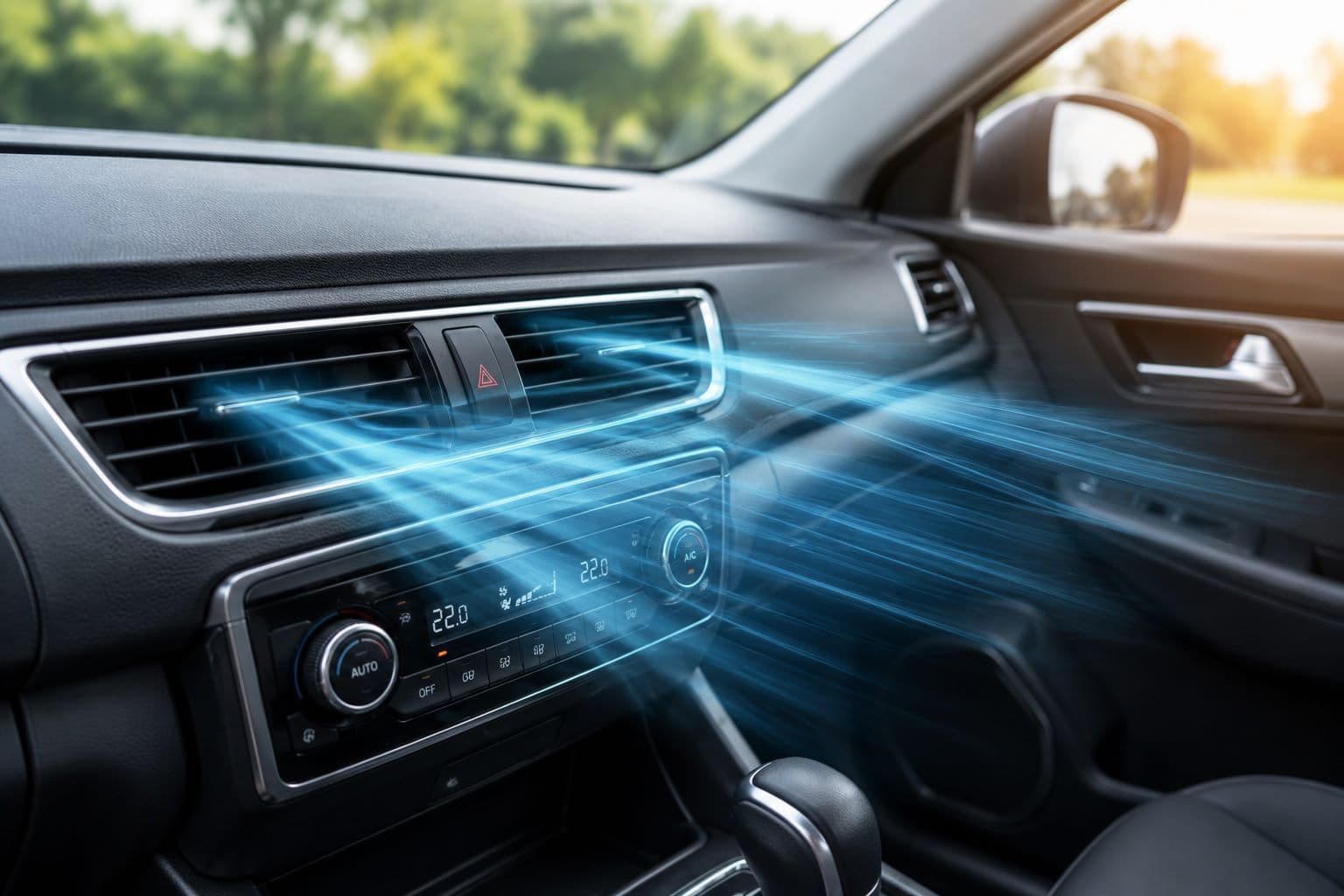
Stepping into a sweltering vehicle on a hot day is frustrating, especially when you turn on the air conditioning and wait endlessly for relief. If your car AC takes long to cool, you are not alone. A healthy car AC should begin producing noticeably cooler air shortly after it is switched on, but the time needed to cool the cabin varies depending on outside temperature, sunlight, vehicle size, and AC condition. If your car AC takes unusually long to cool, low refrigerant, restricted airflow, a dirty condenser, or other mechanical issues could be responsible.
This comprehensive guide explores the most frequent causes of weak AC performance and provides actionable tips on how to make your car AC cool faster.
Why Is My Car AC Taking So Long to Cool? Common Causes
To help you diagnose why your car AC is cooling slowly, review the table below detailing the most frequent mechanical culprits, their corresponding symptoms, and the recommended solutions.
| Common Cause | Primary Symptom | Recommended Solution |
|---|---|---|
| Low Refrigerant | Weak cooling, hissing sounds from vents | Professional recharge and leak detection |
| Clogged Cabin Air Filter | Reduced airflow, musty odors, slow cooling | Replace the cabin air filter |
| Dirty or Blocked AC Condenser | AC works at highway speeds but not at idle | Professional cleaning of front grille and condenser |
| Faulty AC Compressor or Drive System | Loud noises, clutch not engaging, warm air | Professional diagnosis and potential replacement |
| Blown Fuse or Electrical Fault | AC system completely unresponsive | Check fuse box and replace blown fuse |
| Faulty Blend Door Actuator | Hot air mixing with cold air from vents | Professional replacement of the actuator motor |
Low Refrigerant Levels
If refrigerant is low because of a leak, the AC system may not be able to absorb and transfer heat effectively. This can result in weaker cooling, longer cooling times, or air that remains warmer than expected. It is important to have any underlying leaks diagnosed by a professional rather than simply topping up the system, as the refrigerant will just escape again.
Dirty Cabin Air Filter
A clogged cabin air filter restricts airflow through the vents. Even if the AC system is producing cold air, reduced airflow can make the cabin feel as though it is cooling slowly. Replacing this filter is a simple fix that often restores proper air volume.
Dirty or Blocked AC Condenser
Located at the front of your car, the condenser sheds heat absorbed from the cabin. If it is coated in dirt, bugs, or road debris, it cannot effectively cool the refrigerant. This often causes the AC to struggle at idle but perform slightly better when driving at higher speeds.
Faulty AC Compressor or Drive System
The compressor pressurizes the refrigerant. If the compressor or its drive system is failing, it cannot circulate the refrigerant properly, leading to delayed cooling cycles or a complete lack of cold air.
Blown Fuse or Electrical Fault
A blown fuse or wiring issue can prevent the compressor clutch from engaging, leaving the system completely unresponsive. Checking the fuse box is a quick first step in troubleshooting.
Faulty Blend Door Actuator
The blend door controls the mix of hot and cold air entering the cabin. If the actuator motor fails or gets stuck, it may allow hot air from the heater core to mix with the cold air from the evaporator, making the AC feel like it is not cooling properly.
What Environmental Factors Can Make Your Car AC Cool Slowly?
Sometimes the AC system is perfectly healthy, but external factors make it seem like the car AC is taking too long to cool.
- Thermal Greenhouse Effect: When parked in direct sunlight, interior plastics and upholstery absorb heat, driving cabin temperatures well above the actual outside temperature. Your AC must cool these baking hot surfaces before you actually feel cold air blowing from the vents.
- Engine Overheating: In some vehicles, the AC system may be reduced or switched off when the engine temperature becomes excessively high to protect the engine. If your engine is overheating and the AC also stops cooling, have the vehicle inspected promptly.
- Idling at Startup: Car AC compressors rely on engine RPM. Sitting in a parking lot idling forces the system to operate at lower efficiency compared to when the vehicle is moving and generating natural airflow.
How to Make Your Car AC Cool Faster: Step-by-Step Guide
Follow these practical steps to help your car AC cool the cabin faster.
- Purge the hot air: Open the windows briefly to release trapped hot air from the cabin. Then switch on the AC, close the windows and use recirculation mode.
- Start the AC and Drive Normally: After briefly venting the hot air, switch on the AC and begin driving. Airflow through the condenser improves heat rejection, while normal engine operation allows the AC system to work effectively.
- Use Recirculation Mode: Once you have vented the initial hot air from the cabin, switch to recirculation. This allows the AC to repeatedly cool the air already inside the cabin instead of continuously drawing in hot outside air.
- Keep the Condenser Area Clean: Check the front of the condenser and radiator area for visible leaves, dirt, or debris. If it is heavily blocked, have it cleaned professionally rather than attempting to use high pressure water, which can damage delicate fins or electrical components.
What Car AC Problems Can You Fix Yourself?
Not all AC issues require a trip to the shop. Knowing the difference between a simple maintenance task and a complex mechanical failure can save you time and money.
DIY Fixes for Low Risk and Basic Tools
- Replace the cabin air filter: A simple swap behind the glovebox that can immediately restore proper airflow.
- Check and replace blown fuses: A quick visual inspection of the fuse box can often solve complete system unresponsiveness.
- Clear visible exterior debris: Gently removing large leaves, twigs, or surface dirt from the front grille area.
Professional Repairs Requiring Expertise and Specialized Tools
- Refrigerant leaks and recharging: Requires manifold gauges and electronic leak detection equipment to safely handle pressurized chemicals.
- Compressor or condenser replacement: Involves complex mechanical work, system evacuation, and precise recharging.
- Electrical and actuator diagnostics: Tracing wiring faults or replacing blend door actuators requires advanced diagnostic scanners and technical knowledge.
Can Window Film Help Your Car AC Cool Faster?
One often overlooked factor in weak AC cooling is the sheer amount of solar heat entering through the glass. Standard automotive glass allows a significant amount of infrared radiation to pass through, turning your cabin into a greenhouse.
High-quality heat-rejecting automotive window film can reduce the amount of solar heat entering through the glass, lowering the initial heat load inside the cabin and helping the AC cool the interior more efficiently. Global Hi-Tech Films offers automotive window films with IR heat-rejection performance of up to 96%, depending on the film, along with up to 99% UV protection. By reducing heat entering the cabin, these films can help reduce the need for AC use and improve thermal comfort.
How to Maintain Your Car AC for Better Cooling
Your car AC is not just about staying cool. It is about keeping the system working right and lasting longer. These small steps can save you trouble later.
- Run the AC regularly: Using the AC periodically, even in cooler months, can help keep the system operating normally and the seals lubricated. Follow the vehicle manufacturer maintenance recommendations.
- Replace the Cabin Air Filter: Check it twice a year and replace it if it is gray or full of debris to maintain proper airflow.
- Park in the Shade: A shaded spot or a reflective sunshade lowers the cabin heat, meaning your AC has less work to do when you start the vehicle.
How to Keep Your Car AC Cooling Efficiently
Dealing with a car AC taking long to cool is a frustrating experience, but it is rarely a mystery. By understanding the common mechanical culprits like low refrigerant or dirty filters, you can take proactive steps to maintain your system. Combining regular maintenance with smart cooling habits, such as purging hot air before engaging the AC and managing your recirculation settings, will yield immediate results. For long term efficiency, reducing the initial heat load with quality window film can also ease the burden on your AC system, keeping you comfortable on even the hottest days.
FAQs About Car AC Cooling Problems
- Why does my car AC take so long to cool? Common causes include low refrigerant, a clogged cabin air filter, a dirty condenser, a faulty compressor or restricted airflow. Direct sunlight can also increase cooling time.
- How long should it take for a car AC to blow cold air? A healthy AC should start producing noticeably cooler air shortly after it is switched on. Cooling time varies with outside temperature, sunlight, vehicle size and AC condition.
- Does a dirty cabin air filter make the AC cool slowly? Yes. A clogged filter restricts airflow, making the AC feel less effective. Replacing it can help restore proper airflow.
- Can low refrigerant cause weak AC cooling? Yes. Low refrigerant can reduce the system's ability to remove heat, resulting in weak or slow cooling. A professional should check for leaks before recharging it.
- Why does my car AC cool better while driving than at idle? More airflow passes through the condenser when the car is moving. Poor cooling at idle may indicate an issue with the condenser, cooling fan or refrigerant system.
- Can a dirty condenser affect car AC cooling? Yes. Dirt and debris can restrict airflow through the condenser and reduce cooling performance, especially when the car is stationary.
- How can I make my car AC cool faster? Briefly open the windows to release trapped hot air, then switch on the AC and use recirculation mode. Parking in the shade can also reduce the cabin's initial heat load.
- Can window film help a car AC cool faster? Yes. Heat-rejecting window film can reduce solar heat entering the cabin, helping the AC cool the interior more efficiently.
Read also
 Global Hi-Tech FilmsWindow Films
Does Automotive Window Film Affect GPS, Mobile Signals or Keyless Entry?
Does automotive window film affect GPS, mobile signals or keyless entry? Learn how film construction can influence vehicle connectivity and signals. Explore now.
 Global Hi-Tech FilmsArchitecture
Can Window Film Be Applied to Double-Pane and Low-E Glass?
Can window film be used on double-pane and Low-E glass? Learn about compatibility, glass types, thermal stress and key installation factors. Explore now.
 Global Hi-Tech FilmsWindow Films
Why Does Automotive Window Film Bubble, Peel or Change Color?
Discover why automotive window film bubbles, peels or changes color, the common causes of film failure, and how quality installation helps prevent damage.