

Why Does White Car Paint Turn Yellow? 9 Causes & How to Prevent It
Learn why white car paint turns yellow, the common causes, how to restore faded paint, and the best ways to prevent yellowing with PPF and ceramic coating.
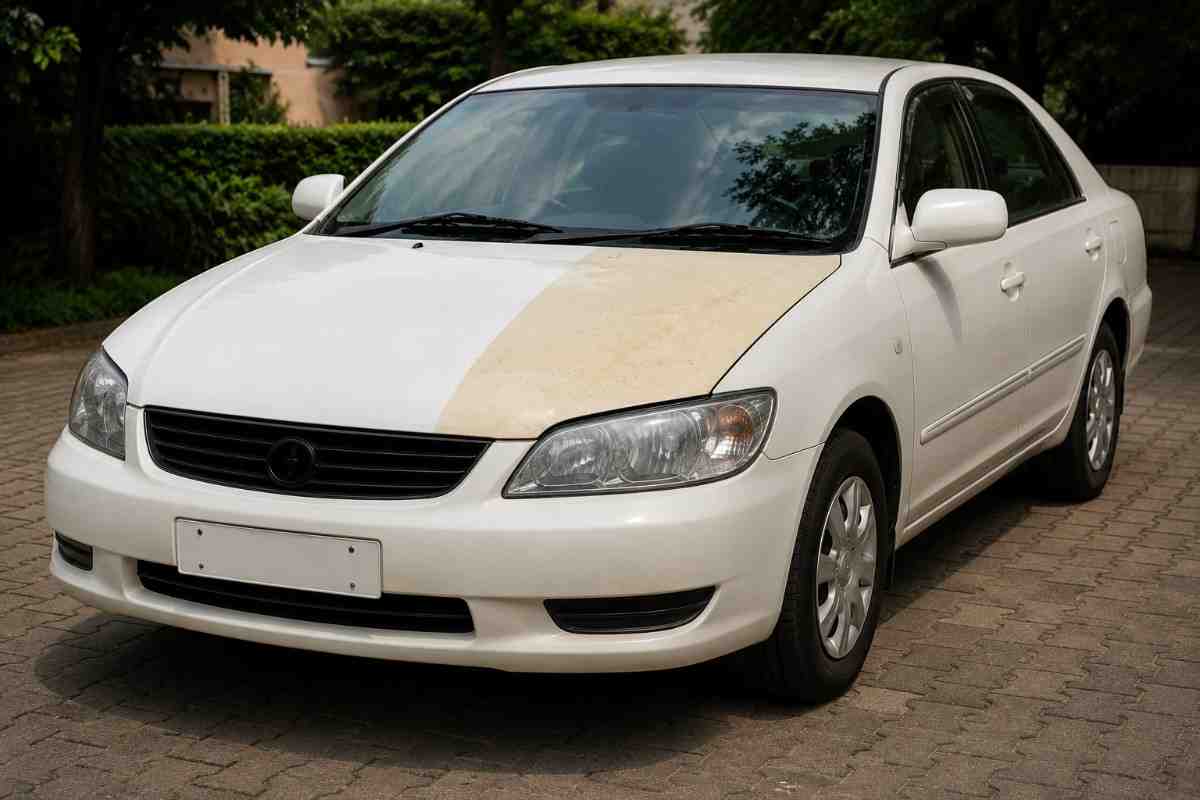
A pristine white car gleaming in the sunlight is a stunning sight, but that brilliant finish can slowly fade into an undesirable yellowish tint over time. White car paint usually turns yellow because the clear coat oxidizes after prolonged exposure to UV rays, pollution, bird droppings, tree sap, hard water stains, and environmental contaminants. While the white paint underneath usually remains intact, the clear coat becomes discolored over time, making the vehicle appear cream or yellow. If you are asking why does white car paint turn yellow or wondering why is my white car turning yellow, understanding white car paint turning yellow and white car discoloration is the first step to maintaining that showroom shine.
Signs Your White Car Paint Is Turning Yellow: Early Warning Signs
Catching the early symptoms of paint degradation allows you to intervene before permanent damage occurs. If you are unsure about the condition of your finish, look for these specific early warning signs that your white car is losing its brilliance.
- Paint looks cream instead of white: The surface lacks the bright, crisp reflection it had when new.
- Surface feels rough: Running your hand across the paint reveals a textured or gritty feeling instead of smooth glass.
- Yellow spots near bonnet: Discoloration is most visible on horizontal panels that face the sky directly.
- Water does not bead: The paint has lost its hydrophobic properties, causing water to sheet out flat.
- Gloss disappears: The clear coat looks flat, dull, and lacks depth in direct sunlight.
- Uneven colour: Certain panels appear noticeably more yellow or faded compared to shaded areas like the lower doors.
How to Tell If Yellowing White Car Paint Is Oxidation or Permanent Damage
Before attempting any restoration, you must determine the exact severity of the issue. To help you diagnose the condition of your vehicle's finish, review the diagnostic comparison table below that explains how to tell if your white car paint is oxidized or permanently damaged.
| Sign | Oxidation | Permanent Damage |
|---|---|---|
| Surface feels rough | Yes | No |
| Improves after polishing | Yes | No |
| Paint peeling | No | Yes |
| Clear coat failure | No | Yes |
| Requires repaint | No | Yes |
If your vehicle exhibits signs of permanent damage, such as peeling or complete clear coat failure, professional repainting is the only viable solution. However, if the issue is surface oxidation, paint correction and polishing can restore the finish.
Why Does White Car Paint Turn Yellow Over Time?
The yellowing of white car paint is not a random occurrence but a predictable chemical process driven by several key factors. While the underlying white base coat typically remains intact, it is the transparent clear coat layer above it that degrades and becomes discolored.
UV Rays and Clear Coat Oxidation: The #1 Cause of White Car Paint Yellowing
Sunlight is the primary enemy of white car paint. Ultraviolet rays continuously bombard your vehicle's surface, breaking down the chemical bonds within the automotive clear coat. This constant exposure triggers a chemical reaction known as oxidation. As the clear coat oxidizes, it gradually loses its transparency and develops a cloudy, yellowish tint. This process happens slowly over time, which is why older white cars often appear cream colored rather than pure white.
Pollution, Bird Droppings and Tree Sap Can Cause Yellow Stains on White Cars
Modern clear coats contain microscopic pores and develop tiny, invisible surface cracks as they age. These imperfections become traps for atmospheric pollution, exhaust fumes, industrial fallout, and road tar. Once embedded in these pores, these contaminants chemically bond to the paint surface and cause visible discoloration.
Organic matter presents an even greater threat. Tree sap, bird droppings, acid rain, and yellow pollen are highly corrosive. When left on the paint surface, these substances eat into the clear coat and leave stubborn yellow stains that regular washing cannot remove.
Poor Quality Repaint Jobs
If your white car has undergone bodywork or repainting, you may notice that certain panels yellow faster than others. This occurs because original factory paint is applied under controlled conditions with high temperature baking processes that ordinary auto repair shops cannot replicate. Aftermarket repaints often use lower grade clear coats that lack proper ultraviolet inhibitors, causing them to yellow significantly faster than the original factory finish.
Car Washing Mistakes That Accelerate White Car Paint Yellowing
Leaving your paint bare without a protective sacrificial layer exposes the clear coat directly to the elements. Additionally, using harsh dish soaps or dirty wash mitts creates micro scratches that allow contaminants to embed deeper into the paint, accelerating the oxidation process and making the white car turn yellow much faster.
The Science Behind Clear Coat Oxidation and White Paint Yellowing
To understand white car discoloration, you must understand the structure of automotive paint. Modern vehicles feature a multilayer system consisting of the primer, the colored base coat, and the transparent clear coat. The clear coat is designed to protect the color beneath it, but it is only about 30 to 50 microns thick.
When ultraviolet radiation penetrates this thin layer, it breaks down the polymers and resins that give the clear coat its clarity. As these molecular chains break apart, the material becomes less transparent and more opaque, taking on a yellow or cloudy appearance. This is why white car paint fading and yellowing often occur simultaneously.
Environmental Factors That Cause White Car Paint to Turn Yellow
Various external elements contribute to white car paint oxidation. To help you identify the specific threats your vehicle faces daily, review the comprehensive table below detailing the environmental contaminants that cause yellow stains on white car paint.
| Contaminant | Source | Effect on White Paint |
|---|---|---|
| Ultraviolet Rays | Direct sunlight | Breaks down clear coat polymers causing oxidation |
| Acid Rain | Industrial pollution | Chemically etches the surface leaving yellow spots |
| Tree Sap | Parking under trees | Bonds to paint and creates stubborn yellow stains |
| Bird Droppings | Wildlife | Highly acidic, eats through clear coat rapidly |
| Exhaust Fumes | Traffic pollution | Soot and carbon particles embed in paint pores |
| Road Tar | Asphalt roads | Sticky residue traps dirt and darkens the finish |
| Hard Water | Improper drying | Mineral deposits leave yellowish water spots |
| Iron Fallout | Brake dust, railways | Metallic particles rust and stain the paint orange yellow |
Do White Cars Turn Yellow Faster Than Black or Silver Cars?
Many drivers wonder if choosing a white vehicle means more maintenance. Quick Answer: White cars do not necessarily oxidize faster than other colours, but they show oxidation, dirt, and yellowing much more visibly than darker shades, making the degradation appear more rapid to the human eye.
To understand how white vehicles compare to darker shades regarding maintenance and discoloration, review the comparison table below that shows if white cars turn yellow faster than other colours.
| Colour | Shows Dirt | Shows Oxidation | Fades Quickly |
|---|---|---|---|
| White | Low | High | Medium |
| Black | High | Medium | High |
| Silver | Low | Low | Low |
While black cars fade quickly under the sun, the chalky oxidation is less visible than the yellowing effect on white paint. Silver cars tend to hide both dirt and oxidation the best.
How to Fix Yellowing White Car Paint: Effective Restoration Methods
If your white car is already showing signs of discoloration, do not panic. There are several effective methods to restore white car paint depending on the severity of the damage.
Clay Bar Treatment for Surface Stains
For minor to moderate yellowing caused by embedded contaminants, a clay bar treatment is the first step. This process uses a specialized resin clay to physically pull embedded dirt, pollen, industrial fallout, and tar out of the paint pores. While this will not reverse oxidation, it removes the surface contaminants that contribute to the yellow appearance.
Machine Polishing for Oxidation
If the clear coat itself has oxidized and turned yellow, machine polishing is required. This process uses a powered buffer with abrasive compounds to shave off the thin, oxidized top layer of the clear coat. By removing this damaged layer, you reveal the fresh, clear paint underneath.
However, polishing should be approached with caution. Each polishing session removes a small amount of clear coat. Most vehicles can safely handle three to five polishing cycles in their lifetime, and the same position should not exceed eight polishing cycles. Excessive polishing will thin the clear coat to the point where it can no longer protect the base coat.
Paint Correction and Restoration
For severe cases, a full paint correction service is recommended. This involves multiple stages of compounding and polishing to completely level the clear coat surface, removing all oxidation, swirl marks, and embedded contaminants. This is the most effective way to restore white car paint to its original brilliance.
How to Prevent White Car Paint from Turning Yellow
Prevention is always better than cure. Implementing these white car paint care tips will significantly slow down the yellowing process and keep your vehicle looking new.
Regular and Proper Washing
Wash your white car at least once a week using a pH neutral car shampoo and soft microfiber mitts. Never use dish soap, as it strips away protective waxes and sealants, leaving the paint vulnerable. Always wash in the shade to prevent water spots, and dry the vehicle immediately with a clean microfiber towel.
Clay Bar Maintenance
Perform a clay bar treatment every two to three months. This removes deeply embedded contaminants like tar, iron particles, and water spots that regular washing cannot clean. By keeping the paint surface smooth and free of embedded debris, you prevent the buildup that leads to discoloration.
Apply Protective Coatings
The most effective way to prevent white car paint yellowing is to apply a protective barrier.
Wax
Apply a high quality car wax every two to three months. Wax provides a sacrificial layer that absorbs ultraviolet rays and repels water.
Ceramic Coating: For longer lasting protection, consider a professional ceramic coating. This liquid polymer bonds chemically with the factory paint to create a hard, hydrophobic surface that resists UV damage, chemical stains, and oxidation for years.
Paint Protection Film
For the ultimate defense, install Paint Protection Film on your white vehicle. This transparent urethane layer acts as a physical shield against ultraviolet rays, road debris, and environmental contaminants. High quality PPF from reputable manufacturers like Global Hi-Tech Films features advanced UV inhibitors that prevent the film itself from yellowing, ensuring your white paint remains bright and clear for a decade or more.
Smart Parking Habits
Whenever possible, park your vehicle in a garage or under a carport to shield it from direct sunlight. If you must park outside, avoid parking under trees where sap and bird droppings are common. Using a breathable car cover can also provide protection, but ensure the car is clean before covering it to prevent scratching.
Common Mistakes That Cause White Car Paint to Turn Yellow
Avoiding common mistakes is just as important as taking the right actions. Here are the critical errors that accelerate white car paint yellowing.
- Do not use bleach or harsh chemicals: Some owners mistakenly use bleach based cleaners to whiten their cars. These products are far too aggressive and will destroy the clear coat.
- Do not wash under direct sunlight: This causes soap and water to dry too quickly, leaving stubborn water spots that can etch into the paint.
- Do not leave contaminants on the paint: Bird droppings, tree sap, and bug splatter should be removed immediately. Under the sun, these substances can etch into the clear coat in a matter of hours.
- Do not use dirty sponges or mitts: Always use clean, high quality microfiber wash mitts. Dirty tools introduce scratches that trap dirt and accelerate oxidation.
- Do not ignore minor yellowing: Address discoloration early with a clay bar or light polish before it becomes severe.
Wax vs Ceramic Coating vs Paint Protection Film for White Cars
Choosing the right protection method depends on your budget and desired level of defense. To help you evaluate the best option for your white vehicle, review the comprehensive comparison table below outlining the effectiveness, lifespan, and benefits of each protective solution against white car paint yellowing.
| Protection Method | Lifespan | UV Protection | Contaminant Resistance | Cost | Best For |
|---|---|---|---|---|---|
| Car Wax | 2 to 3 months | Moderate | Low to Moderate | Low | Budget conscious owners |
| Synthetic Sealant | 4 to 6 months | Good | Moderate | Low to Medium | Longer lasting shine |
| Ceramic Coating | 2 to 5 years | Excellent | High | Medium to High | Long term chemical protection |
| Paint Protection Film | 7 to 10 years | Maximum | Maximum | High | Ultimate physical and UV protection |
Keep Your White Car Paint Bright with Proper Care and Protection
White car paint turning yellow is a common but preventable issue. The primary culprits are ultraviolet radiation, oxidation, and environmental contaminants that degrade the clear coat over time. By understanding why does white car paint turn yellow, you can take proactive steps to protect your vehicle. Regular washing with proper techniques, periodic clay bar treatments, and the application of protective coatings are essential for maintaining that brilliant white finish. For the ultimate protection against yellowing, consider investing in high quality Paint Protection Film or ceramic coating. With the right care and maintenance, your white car can stay bright, glossy, and free from yellow stains for years to come.
FAQs About White Car Paint Turning Yellow
- What causes white car paint to turn yellow? White car paint usually turns yellow due to clear coat oxidation caused by prolonged exposure to UV rays, pollution, bird droppings, tree sap, hard water stains, and other environmental contaminants.
- Can yellowing white car paint be restored? Yes. If the yellowing is caused by oxidation or surface contamination, it can often be restored using clay bar treatment, paint correction, or machine polishing. Severe clear coat failure may require repainting.
- Does sunlight make white car paint turn yellow? Yes. Continuous exposure to UV rays breaks down the clear coat, causing oxidation that results in a yellow or cream-colored appearance over time.
- How can I prevent my white car paint from turning yellow? Regular washing, prompt removal of contaminants, parking in shaded areas, and applying protective solutions like wax, ceramic coating, or Paint Protection Film (PPF) can significantly reduce the risk of yellowing.
- Is yellowing more common on white cars than other colours? White cars do not oxidize faster than other colours, but oxidation and discoloration are much more visible on white paint, making the yellowing easier to notice.
- Does ceramic coating prevent white car paint from turning yellow? Ceramic coating helps slow down oxidation by protecting the clear coat from UV rays, chemicals, and environmental contaminants. However, it does not make the paint completely immune to yellowing.
- Does Paint Protection Film (PPF) stop white car paint from yellowing? High-quality Paint Protection Film acts as a barrier against UV radiation, stone chips, bird droppings, and pollutants. Premium PPF with UV inhibitors also resists yellowing, providing long-term protection for white paint.
- How often should I wash a white car to prevent yellow stains? Washing your white car every one to two weeks with a pH-neutral car shampoo helps remove dirt, pollutants, and contaminants before they can damage the clear coat or cause discoloration.
- Can hard water stains cause white car paint to look yellow? Yes. Hard water leaves mineral deposits that can build up on the clear coat. If left untreated, these deposits can create cloudy or yellowish stains and contribute to long-term paint damage.
- What is the best long-term protection for white car paint? Paint Protection Film (PPF) offers the highest level of long-term protection by shielding the paint from UV rays, oxidation, road debris, scratches, and environmental contaminants. For enhanced durability, it can also be combined with ceramic coating.
Read also
 Global Hi-Tech FilmsWindow Films
Does Automotive Window Film Affect GPS, Mobile Signals or Keyless Entry?
Does automotive window film affect GPS, mobile signals or keyless entry? Learn how film construction can influence vehicle connectivity and signals. Explore now.
 Global Hi-Tech FilmsArchitecture
Can Window Film Be Applied to Double-Pane and Low-E Glass?
Can window film be used on double-pane and Low-E glass? Learn about compatibility, glass types, thermal stress and key installation factors. Explore now.
 Global Hi-Tech FilmsWindow Films
Why Does Automotive Window Film Bubble, Peel or Change Color?
Discover why automotive window film bubbles, peels or changes color, the common causes of film failure, and how quality installation helps prevent damage.