

Why Does Your Car Get So Hot When Parked in the Sun?
Learn why your car gets so hot when parked in the sun, how solar heat builds up inside the cabin, and what factors make interior temperatures rise.
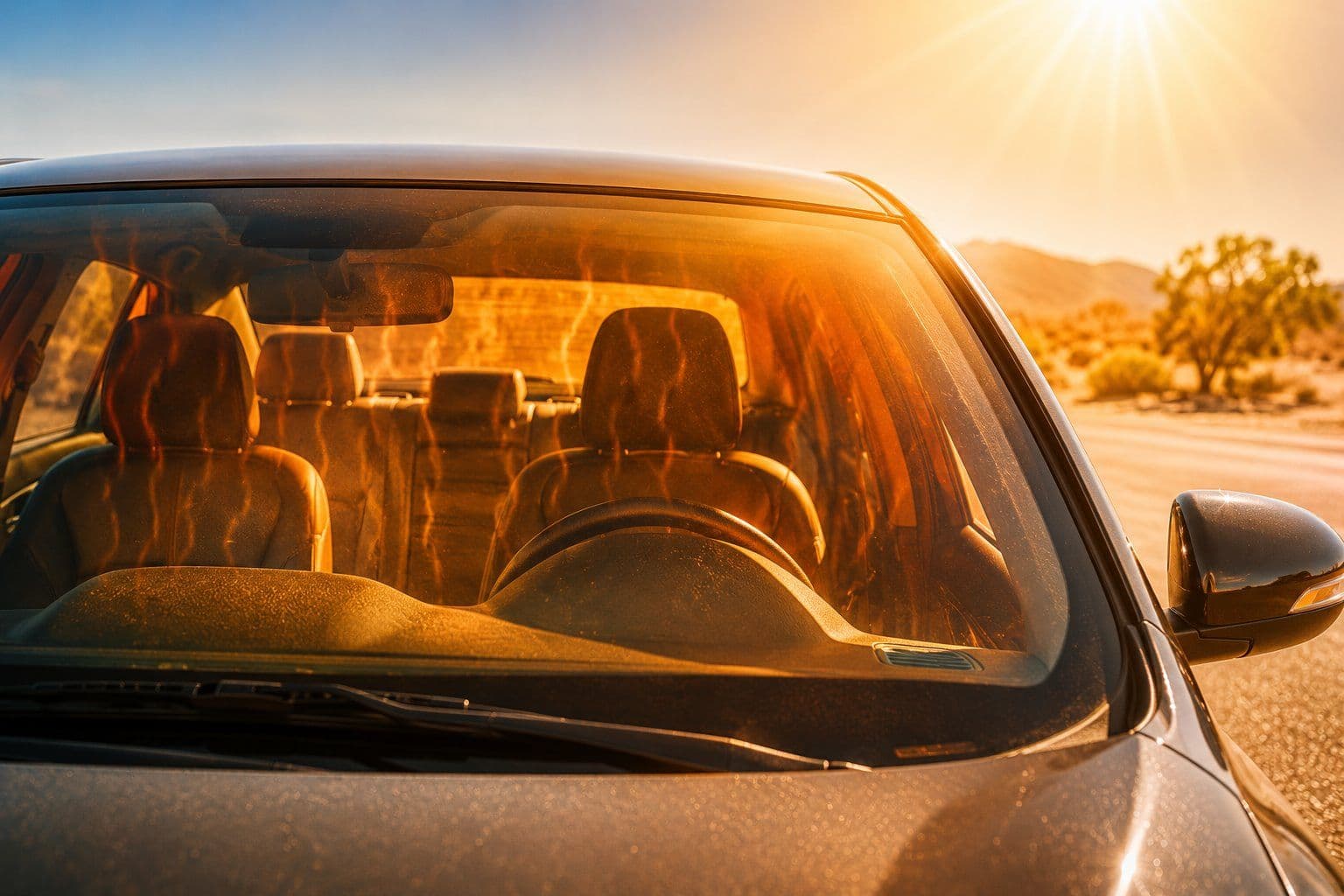
Why does my car get so hot in the sun? It happens because sunlight enters through the windows, heats the interior surfaces, and creates a buildup of trapped heat. Stepping into a vehicle that has been baking in the summer sun often feels like entering a convection oven. The blistering heat radiating from the seats and the steering wheel is not just uncomfortable; it can be dangerous. Understanding this process is the first step toward protecting your passengers, preserving your vehicle's interior, and ensuring a comfortable drive. This comprehensive guide explores the science behind the heat, the rapid temperature escalation inside your cabin, and the most effective solutions to keep your vehicle cool.
Why Does a Car Get So Hot in the Sun?
To understand why your car gets so hot inside, you need to look at how sunlight interacts with the vehicle's glass windows and interior materials. The process is driven by the greenhouse effect.
- Sunlight enters through the glass: The sun emits shortwave radiation, which includes visible light. Car glass is highly transparent to this shortwave radiation, allowing it to pass through the windows effortlessly.
- Interior surfaces absorb the energy: Once inside, this light strikes the dashboard, seats, steering wheel, and floor mats. These surfaces, especially dark-colored ones, absorb the solar energy and heat up drastically.
- Heat gets trapped: As the interior surfaces heat up, they attempt to cool down by emitting longwave infrared radiation. However, automotive glass is mostly opaque to longwave radiation. This means the heat energy cannot pass back out through the windows.
- Air temperature rises: With the heat physically trapped inside the sealed cabin, the air temperature continues to compound and rise rapidly. This is the primary reason cars get so hot inside.
How Hot Does a Car Get in the Sun?
The temperature escalation inside a parked vehicle is alarmingly fast. Many drivers assume that if it is warm outside, the inside will only be slightly warmer. In reality, the car interior can heat up rapidly, especially during the first few minutes. The table below shows how quickly a parked car can heat up at different outdoor temperatures.
| Ambient Outside Temperature | Time Parked | Interior Cabin Temperature |
|---|---|---|
| 80°F (27°C) | 20 minutes | 109°F (43°C) |
| 80°F (27°C) | 40 minutes | 118°F (48°C) |
| 80°F (27°C) | 60 minutes | 123°F (51°C) |
| 90°F (32°C) | 20 minutes | 119°F (48°C) |
| 90°F (32°C) | 60 minutes | 133°F (56°C) |
Furthermore, the air temperature is only part of the story. The actual surface temperatures of the objects inside the car are significantly higher. The National Weather Service (NWS) notes that a dark dashboard or a black leather seat can easily reach temperatures between 180°F and 200°F (82°C to 93°C). Metal components like seatbelt buckles can become hot enough to cause severe contact burns. This explains why your car gets so hot when parked and why touching interior components can be painful.
What Are the Dangers of Extreme Car Interior Heat?
The extreme heat inside a parked vehicle poses two distinct categories of risk: immediate safety hazards and long-term vehicle damage.
Immediate Safety Risks
The most critical danger is to living beings. Children and pets are particularly vulnerable to extreme heat because their bodies regulate temperature less efficiently, meaning they can become overheated much more quickly than adults. Even with a window cracked open, the interior of a parked car can quickly become a life-threatening environment. For adults, entering a superheated cabin can cause immediate discomfort, dehydration, and impaired alertness, which is dangerous if you are about to drive.
Long-Term Vehicle Damage
Beyond immediate safety concerns, sustained extreme heat causes significant wear and tear on your vehicle's interior.
- Dashboard Cracking: Intense UV radiation and heat bake the plastics and vinyl, causing them to dry out, fade, and eventually crack.
- Leather and Upholstery Degradation: Leather seats can dry out, shrink, and crack if repeatedly exposed to high temperatures without proper conditioning.
- Electronic Failures: Modern vehicles are packed with sensitive electronics, touchscreens, and sensors. Prolonged exposure to extreme cabin temperatures can shorten the lifespan of these expensive components.
- Adhesive Breakdown: Heat can weaken the adhesives used in headliners, window tints, and interior trim, leading to sagging materials and peeling components.
How to Keep Your Car Cool When Parked in the Sun
If you want to prevent your car from getting so hot inside, you need a combination of strategic parking and active cooling techniques.
Park in the Shade or a Garage
The most effective way to reduce car temperature in direct sunlight is to avoid the sun entirely. Park in a garage or a covered carport whenever possible. If you must park outside, seek out shaded areas under buildings or large trees. Be mindful of the sun's trajectory, as a spot that is shaded at noon might be in direct sunlight a few hours later.
Use a Reflective Windshield Sunshade
Placing a reflective sunshade on your windshield is a simple and highly effective hack. The reflective coating bounces the shortwave radiation back out through the glass before it can be absorbed by the dashboard. This keeps the dashboard surface temperature significantly lower and reduces the overall heat load inside the cabin.
Use Ventilation to Release Hot Air
If it is safe and secure to do so, leaving the windows open slightly can allow some hot air to escape. However, this should not be relied on as the primary way to keep a parked car cool. This allows the hot air to escape and prevents the greenhouse effect from compounding as severely. Alternatively, you can use window deflectors that allow you to keep the windows slightly open even during light rain.
Use a Steering Wheel Sun-Protection Trick
Before turning off your engine, turn your steering wheel 180 degrees. When the sun beats down on the windshield, the top half of the steering wheel absorbs the brunt of the heat. By flipping it upside down, the side you touch when you return will have been hidden in the shadow of the steering column, saving your hands from a burn.
The Rapid Cool-Down Protocol
When you return to a superheated car, do not just turn on the air conditioning immediately. First, open the passenger side window completely. Then, open and close the driver's side door rapidly five to ten times. This acts as a giant pump, mechanically forcing the trapped hot air out through the passenger window. Once the initial blast of hot air is expelled, you can start the engine, turn on the AC, and close the windows for rapid cooling.
Can Window Film Reduce Heat Inside a Car?
While sunshades and parking in the shade are excellent short-term solutions, long-term protection requires advanced materials. This is where premium window films play a crucial role in vehicle preservation and heat reduction.
Standard dyed window tints primarily offer privacy and glare reduction, but they do little to stop heat. Advanced infrared rejecting window films, however, are engineered with specialized ceramic or metallic layers that target the specific wavelengths of solar energy. High-quality automotive window films can block up to 99% of harmful UV rays, depending on the film technology and specification, and reject a significant amount of infrared radiation, helping reduce the amount of solar heat entering and accumulating inside the cabin.
By installing high-quality, UV rejecting window film from trusted manufacturers like Global Hi-Tech Films, you create a permanent thermal barrier. This keeps the cabin noticeably cooler, reduces the strain on your air conditioning system, and shields your dashboard, seats, and trim from the UV degradation that causes fading and cracking.
How to Keep Your Car Cool in the Sun
Understanding why your car gets so hot in the sun reveals a powerful combination of solar radiation and trapped thermal energy. The greenhouse effect inside your vehicle causes temperatures to spike rapidly, posing severe safety risks to passengers and causing long-term damage to your interior components. By combining smart parking habits, reflective sunshades, and the door-pumping cool-down trick, you can mitigate immediate discomfort. For lasting protection, investing in premium UV and infrared-rejecting window films ensures your cabin stays cooler, your interior materials remain pristine, and your driving experience is comfortable, no matter how intense the summer sun becomes.
FAQs About Keeping a Car Cool in the Sun
- Why does my car get so hot when parked in the sun? A car gets hot because sunlight passes through the windows and heats the dashboard, seats, and other interior surfaces. The heat then builds up inside the cabin, causing temperatures to rise rapidly.
- How hot does the inside of a car get in the sun? A parked car can become significantly hotter than the outside temperature. On an 80°F (27°C) day, the cabin can reach around 109°F (43°C) within 20 minutes and 123°F (51°C) within an hour.
- How quickly does a car heat up in the sun? A car can begin heating up within minutes of being parked in direct sunlight. The temperature rises rapidly during the first 20–30 minutes and continues increasing while the vehicle remains exposed to the sun.
- How can I keep my car cool when parked in the sun? Park in a garage or shaded area whenever possible, use a reflective windshield sunshade, allow safe ventilation, and consider heat-rejecting window film for longer-term heat protection.
- Does window tint reduce heat inside a car? Yes. High-quality infrared- and UV-rejecting window films can reduce the amount of solar heat entering the cabin, helping keep the interior cooler and protecting upholstery from sun damage.
- Does cracking the windows keep a parked car cool? Slightly opening the windows may provide some ventilation, but it does not prevent a parked car from becoming dangerously hot. Shading, sunshades, and heat-rejecting window films are more effective ways to reduce heat buildup.
- Can extreme heat damage a car's interior? Yes. Repeated exposure to high temperatures and UV radiation can contribute to dashboard cracking, fading, leather and upholstery deterioration, and potential damage to sensitive electronic components.
- What is the fastest way to cool down a hot car? Open the windows or doors first to release trapped hot air, then turn on the air conditioning. Once the initial hot air has escaped, close the windows and allow the AC to cool the cabin efficiently.
Read also
 Global Hi-Tech FilmsWindow Films
Does Automotive Window Film Affect GPS, Mobile Signals or Keyless Entry?
Does automotive window film affect GPS, mobile signals or keyless entry? Learn how film construction can influence vehicle connectivity and signals. Explore now.
 Global Hi-Tech FilmsArchitecture
Can Window Film Be Applied to Double-Pane and Low-E Glass?
Can window film be used on double-pane and Low-E glass? Learn about compatibility, glass types, thermal stress and key installation factors. Explore now.
 Global Hi-Tech FilmsWindow Films
Why Does Automotive Window Film Bubble, Peel or Change Color?
Discover why automotive window film bubbles, peels or changes color, the common causes of film failure, and how quality installation helps prevent damage.