

Why Marine PPF Is Essential for Yachts in the Middle East’s Extreme Climate
Learn how marine PPF shields yachts from harsh Middle East conditions like UV exposure, salt damage, and heat, ensuring lasting durability and protection.
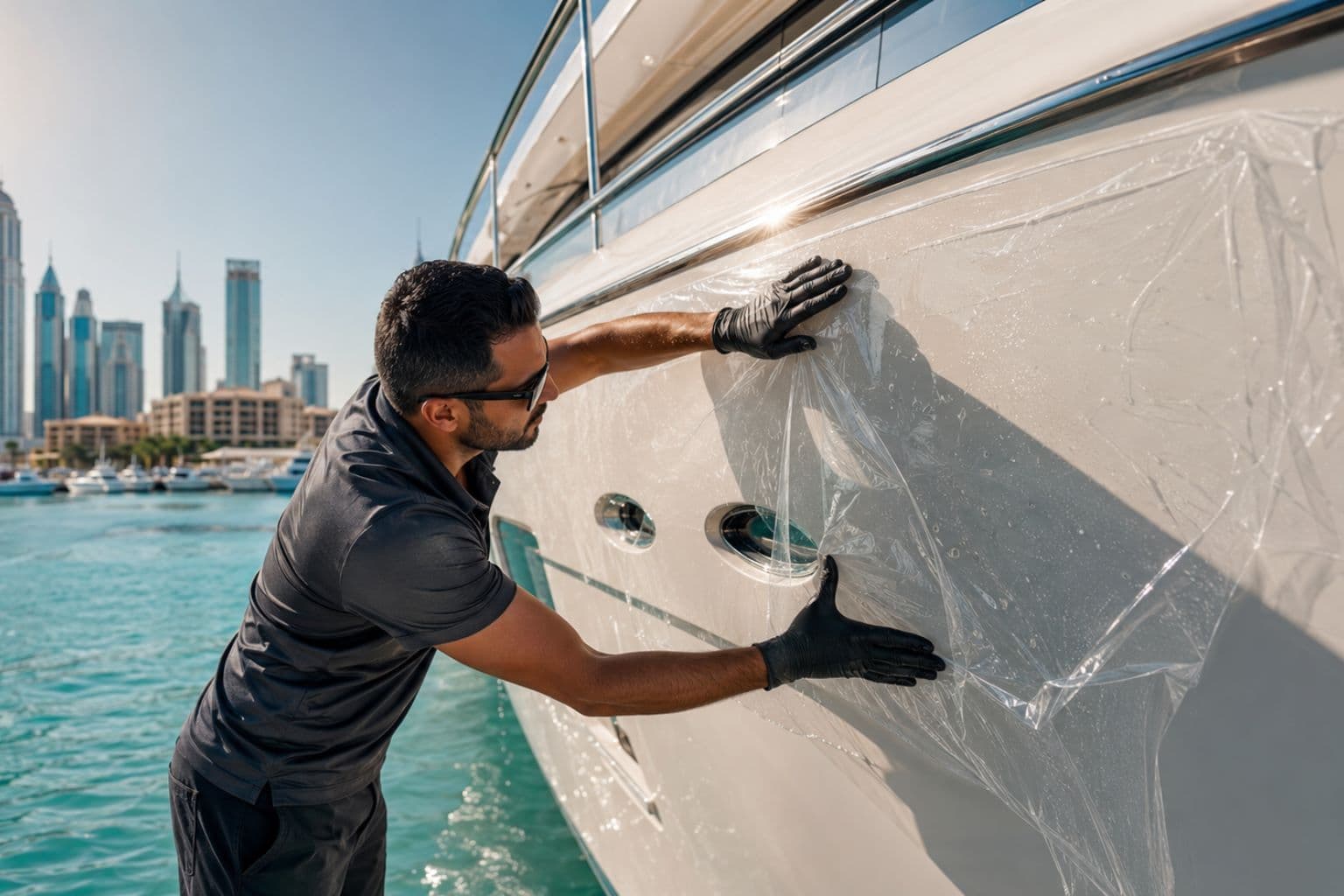
Yachts in the Middle East are exposed to intense sun, high temperatures, saltwater, and desert sand throughout the year. These conditions can gradually affect exterior finishes, making surface protection an important part of long-term yacht maintenance.
That is why marine PPF is becoming increasingly popular among yacht owners. Unlike waxes, sealants, or standard coatings that can wear down quickly in harsh conditions, yacht paint protection film creates a durable protective layer over exposed surfaces, helping keep the yacht looking newer for longer.
Whether protecting gel coat finishes, custom marine paint, or high-gloss exterior panels, marine PPF for yachts offers an added layer of defense against environmental damage and daily wear.
Here is a closer look at why this advanced protection solution has become essential for yachts operating in Middle Eastern waters.
Why Marine PPF Is Essential for Yachts in the Middle East? Quick Answer
Marine PPF is a protective paint protection film made from durable thermoplastic polyurethane (TPU film) that is applied to yacht surfaces to help defend against environmental and physical damage.
Key reasons why it is essential include:
- Helps protect yacht surfaces from harsh UV rays.
- Reduces fading, oxidation, and discoloration over time.
- Acts as a barrier against saltwater and marine contaminants.
- Helps prevent scratches, sandstorm abrasion, and dock-related scuffs.
- Keeps a gel coat, marine paint, and glossy finishes looking their best.
- Makes cleaning and upkeep easier.
- Helps maintain the yacht’s long-term resale value.
How the Middle East Climate Damages Yachts (UV, Saltwater, Heat & Sand)
Yachts in the Middle East are exposed to challenging conditions throughout the year, which can affect their appearance and increase maintenance requirements.
Strong sunlight and constant UV exposure can gradually fade colors, reduce gloss, and cause oxidation. High temperatures that result in thermal expansion can also speed up the wear and aging of exterior surfaces.
Saltwater is another major concern. Salt deposits can build up on exposed areas, leading to stains, marine corrosion, and surface deterioration if not cleaned regularly.
Desert sand and abrasive dust can leave fine scratches on yacht surfaces during cleaning, docking, and daily use. These marks can gradually affect the look of premium finishes.
Docks, fenders, ropes, and mooring equipment can also cause scuffs and surface wear. Luxury yachts that remain in regular use often require added protection for these exposed areas.
Top Benefits of Marine PPF for Yachts
Protects Against Extreme UV Damage
Yachts in the Middle East are exposed to strong sunlight throughout the year. Constant UV exposure can cause fading, discoloration, oxidation, and loss of gloss on painted and gel-coated surfaces.
Marine protection film helps shield these surfaces from harmful UV rays. It helps preserve the appearance of marine paint, custom finishes and provides gel coat protection while keeping colors and gloss looking better for longer.
This means less visible weathering and fewer cosmetic touch-ups over time.
Resists Saltwater and Corrosion
Constant contact with seawater can leave salt residue on exposed surfaces.
PPF for boats and yachts adds a protective layer between the yacht and the marine environment. It helps reduce the impact of salt spray, marine contaminants, and constant exposure to seawater.
The smooth film surface also makes cleaning easier, helping crews keep the yacht looking cleaner with less effort.
Shields Against Sand, Dust, and Abrasion
Sand and dust are hard to avoid around the water. When they settle on the surface, they can leave behind light scratches and dull spots over time, especially in areas that see frequent use.
Boat paint protection film acts as an extra layer of defence, helping protect decks, hull sections, walkways, and boarding areas from light scratches caused by sand, dust, and everyday wear.
This helps the yacht stay cleaner, smoother, and better-looking for longer.
Reduces Dock Rash and Impact Damage
Docking often brings certain parts of the yacht into close contact with ropes, fenders, and marina structures, leading to rope chafing and fender scuffs. With repeated use, these areas are more likely to pick up scuffs and surface marks.
Yacht PPF protection helps absorb light scuffs and abrasions before they affect the original finish. Areas such as rub rails, swim platforms, bow sections, and hull topsides can benefit from this extra layer of protection.
Reduced surface damage translates into fewer cosmetic repairs and improved appearance retention.
Offers Hydrophobic and Anti-Fouling Support
A key advantage of modern marine TPU PPF is its advanced hydrophobic surface technology.
This top layer helps keep water, salt, and dirt from sticking to the yacht’s surface. As a result, cleaning becomes easier, and the finish stays cleaner and shinier for longer.
Certain marine anti-fouling PPF systems can also help reduce contaminant adhesion, supporting improved maintenance efficiency.
Supports Self-Healing Performance
Premium self-healing film technologies are designed to minimize the appearance of light scratches and swirl marks.
When exposed to heat, the film's surface can gradually recover from minor imperfections. The naturally hot conditions found throughout the Middle East can help activate this self-healing process more frequently.
With fewer marks and imperfections on the surface, the yacht can retain its finish for longer without frequent polishing or paint correction.
Preserves Long-Term Yacht Value
Luxury yacht ownership involves substantial investment, making asset preservation a priority.
Repainting a yacht can be both time-consuming and expensive. PPF for luxury yachts covers the original finish, reducing direct exposure to everyday wear and environmental elements.
Long-term yacht surface protection ultimately supports both appearance retention and asset value preservation.
Marine PPF Technology Explained: TPU Film, Coatings & Performance
Several advanced technologies contribute to the effectiveness of modern marine PPF for Middle East applications.
Heavy-Duty TPU Film
Marine-grade thermoplastic polyurethane is engineered to withstand harsh environmental conditions while remaining flexible enough to conform to curved yacht surfaces.
This durable TPU film provides physical resistance against scratches, abrasion, and minor impacts without compromising appearance.
Hydrophobic Topcoat
Modern films incorporate specialized topcoats that repel water, salt deposits, dirt, and grime.
This hydrophobic performance helps simplify maintenance while reducing staining and contaminant buildup on exposed surfaces.
Self-Healing Surface
Advanced self-healing layers help reduce the visibility of minor scratches and swirl marks.
Heat from the sun can help the film recover from minor surface marks, making it well suited for hot marine conditions.
Together, these features provide reliable protection for yachts that face regular exposure to the elements. Premium marine PPF solutions from leading brands such as Global Hi-Tech Films combine these technologies to help yacht owners reduce maintenance, protect valuable finishes, and preserve the vessel's appearance over the long term.
Where Should Marine PPF Be Applied on a Yacht?
A yacht does not always need full-surface coverage. In many cases, protecting the areas most exposed to wear and damage is enough.
The right coverage depends on factors such as yacht size, how often it is used, where it is docked, and maintenance preferences.
The table below highlights common areas where marine PPF is applied and the protection each area receives.
| Yatch Area | Main Risk | How Marine PPF Helps |
|---|---|---|
| Hull Topsides | UV, salt spray, sand abrasion | Protects paint and PPF for gel coat protection against fading and scratches |
| Bow Area | Anchor chain marks, debris, dock impact | Reduces scuffs, chips, and surface wear |
| Rub Rails | Fender friction and dock contact | Helps dock with rash protection and prevents abrasion |
| Swim Platforms | Foot traffic, water exposure, rope chafing | Protects against scuffs and saltwater stains |
| Flybridge & Helm Station | Direct sun and heat exposure | Reduces UV damage and surface aging |
| Cap Rails & Brightwork | Heat, cracking, peeling, stains | Helps preserve premium trims and finishes |
| Entryways & Staircases | Guest movement and crew activity | Reduces wear from repeated contact |
Protecting the right areas helps reduce unnecessary costs while providing protection where it is needed most.
Factors to Consider Before Installing Marine PPF
It is worth considering a few key factors before choosing a marine protection solution.
Marine PPF Quality Guide
Not all films are designed for marine use. Choose marine-grade TPU PPF that offers UV resistance, anti-yellowing properties, hydrophobic performance, and strong abrasion resistance.
Areas that see more contact and activity often benefit from a thicker film.
Yacht Surface Preparation Before PPF Installation
The condition of the yacht’s surface plays an important role in the installation process.
Before applying the film, the surface should be cleaned and checked for any stains, scratches, oxidation, or paint damage. Taking care of these issues beforehand helps achieve a smoother finish and better film adhesion.
Climate and Marina Conditions
The amount of protection needed often depends on how and where the yacht is used.
Yachts that spend more time on the water, are stored outdoors, or operate in busy marinas may need wider coverage. Areas most exposed to wear and damage should be protected first.
Marine PPF Coverage Options
Full yacht coverage is not always required.
Many yacht owners start by protecting high-wear areas such as the PPF for the yacht hull, bow, rub rails, and swim platforms. Yachts with custom paintwork or premium finishes may benefit from wider coverage.
Why Professional Marine PPF Installation Is Critical for Yachts
Yachts have curved surfaces, edges, and large exterior panels.
Poor installation can lead to bubbles, lifting, or visible edges. Marine Paint Protection Film should be installed by trained professionals with experience working on yachts.
Conclusion: Is Marine PPF Worth It for Yachts in the Middle East?
Yachts in the Middle East are exposed to strong sunlight, extreme heat, saltwater, sand, and everyday wear. These conditions can affect marine paint, gel coat finishes, and other exposed surfaces.
Marine PPF helps protect against UV exposure, saltwater, oxidation, heat, scratches, and surface contamination. It can be applied to areas such as hull topsides, swim platforms, and other high-contact zones to help keep surfaces in better condition.
For owners looking for dependable luxury vessel protection, PPF for Yachts offers an effective way to protect the yacht’s finish, reduce maintenance needs, and help preserve its value.
FAQs on Marine PPF
- What is marine PPF? Marine PPF is a transparent protective film applied to yacht surfaces to help protect against UV rays, scratches, saltwater, and everyday wear.
- Why is marine PPF important for yachts in the Middle East? It helps protect yacht surfaces from intense sunlight, extreme heat, saltwater, and sand, which are common in the region.
- Can marine PPF protect yachts from UV damage? Yes, marine PPF helps reduce fading, discoloration, and oxidation caused by prolonged sun exposure.
- Does marine PPF prevent saltwater corrosion? It acts as a protective barrier against salt spray and marine contaminants, helping reduce surface deterioration.
- Where should marine PPF be applied on a yacht? It is commonly applied to hull topsides, bow areas, swim platforms, rub rails, flybridges, and other high-wear zones.
- Is marine PPF better than ceramic coating for yachts? Marine PPF offers physical protection against scratches and abrasion, while ceramic coatings mainly enhance surface protection and ease of cleaning.
- How long does marine PPF last on yachts? The lifespan varies by product and conditions, but premium marine PPF can provide protection for several years with proper care.
- Can marine PPF reduce yacht maintenance? Yes, its smooth, hydrophobic surface helps reduce dirt buildup and makes cleaning easier.
- Is marine PPF suitable for luxury yachts? Yes, it is widely used on luxury yachts to help preserve premium finishes and maintain appearance.
- Does marine PPF protect against dock rash and rope chafing? Yes, it helps absorb light scuffs and abrasions caused by docking, ropes, fenders, and regular marina use.
Read also
 Global Hi-Tech FilmsWindow Films
Does Automotive Window Film Affect GPS, Mobile Signals or Keyless Entry?
Does automotive window film affect GPS, mobile signals or keyless entry? Learn how film construction can influence vehicle connectivity and signals. Explore now.
 Global Hi-Tech FilmsArchitecture
Can Window Film Be Applied to Double-Pane and Low-E Glass?
Can window film be used on double-pane and Low-E glass? Learn about compatibility, glass types, thermal stress and key installation factors. Explore now.
 Global Hi-Tech FilmsWindow Films
Why Does Automotive Window Film Bubble, Peel or Change Color?
Discover why automotive window film bubbles, peels or changes color, the common causes of film failure, and how quality installation helps prevent damage.