

Why Safety Window Films Are Essential for Airports, Hotels, Hospitals & Commercial Buildings
Discover why safety window films are essential for airports, hotels, hospitals, and commercial spaces, enhancing protection, security, and energy efficiency.
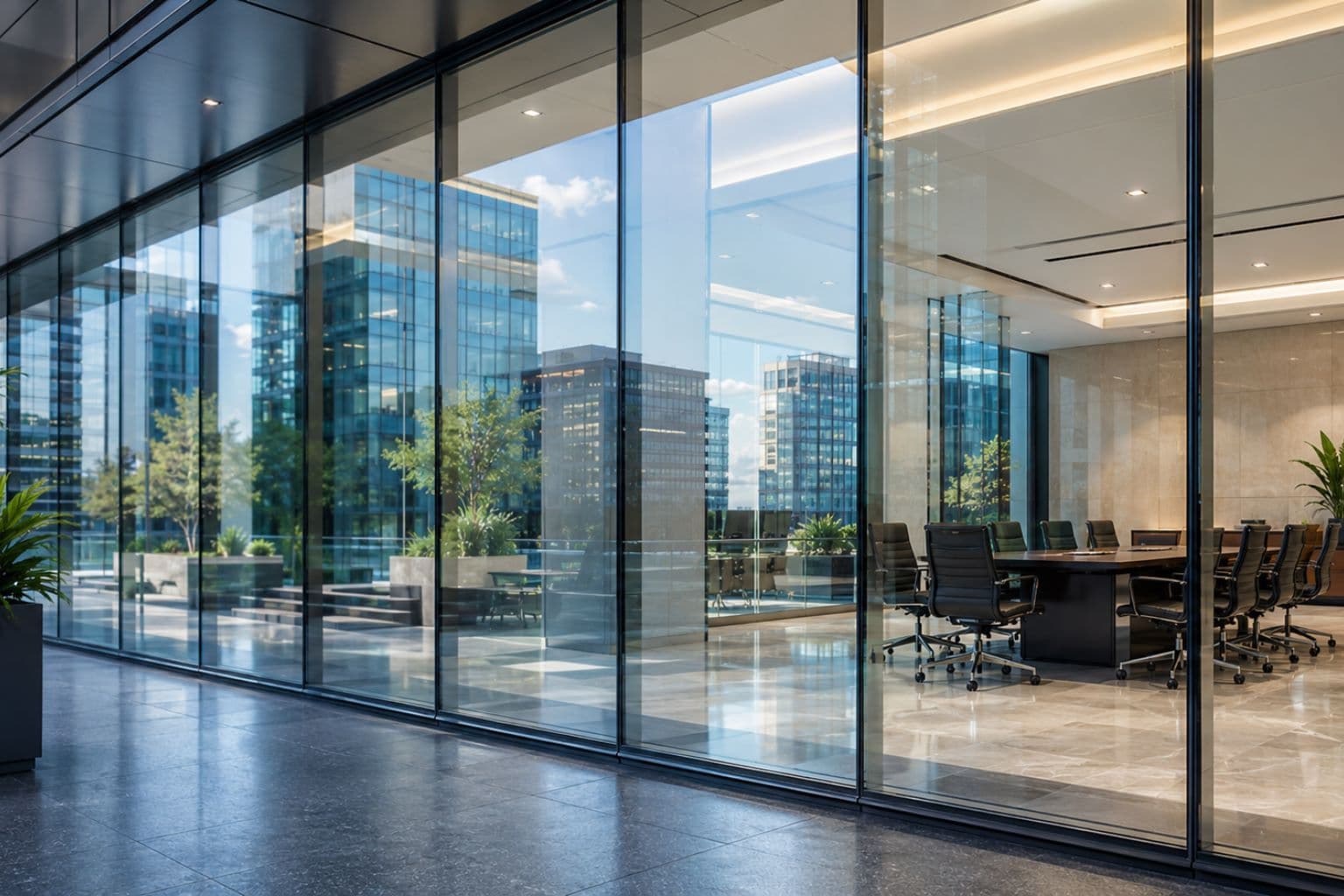
Modern buildings use a lot of glass, from large façades and floor-to-ceiling windows to glass partitions and entrances. While glass helps create bright and attractive spaces, it can also become a safety concern during storms, accidental impacts, vandalism, blasts, or break-in attempts. When untreated glass breaks, it can shatter into sharp fragments that may cause injuries and disrupt operations.
This is where safety window films make a difference. They help hold broken glass together, reducing the risk of injury from shattered glass. Along with improving safety, these films also provide UV protection, glare reduction, better comfort, and enhanced building security.
Here is a detailed guide to understanding why safety window films have become an essential safety upgrade for airports, hotels, hospitals, and commercial buildings.
Why Safety Window Films Are Essential for Airports, Hotels, Hospitals & Commercial Buildings? Quick Answer
Safety window films offer several benefits that help improve safety, security, and comfort in busy commercial spaces:
- Hold shattered glass together during impacts, storms, or break-in attempts
- Reduce injuries caused by flying glass shards
- Delay forced entry attempts and improve security
- Protect interiors from harmful UV exposure
- Reduce heat and glare for better occupant comfort
- Upgrade existing glass without the cost of full replacement
These benefits make safety window films an effective solution for improving occupant safety, property protection, and long-term business continuity.
What Are Safety Window Films? Types, Benefits & How They Work
Safety window films, also known as glass safety film, are protective polyester layers applied directly to existing glass surfaces. They are commonly installed on windows, doors, façades, partitions, and lobby glass in commercial environments.
The main purpose of safety film for glass windows is to hold broken glass pieces together if the glass cracks or shatters. While it does not make the glass unbreakable, it helps reduce the risks associated with shattered glass.
Many modern security window films also block harmful UV rays, reduce heat, and control glare. This helps create a more comfortable and protected indoor environment.
Why Safety Window Films Are Critical for High-Traffic Buildings
Airports, hospitals, hotels, shopping malls, office buildings, and similar spaces welcome large numbers of people every day. If glass breaks in these areas, it can cause injuries and interrupt normal operations.
Glass can break due to accidental impacts, severe weather, vandalism, or break-in attempts. Installing window security film helps make glass safer by holding it together when it breaks.
For many property owners, safety window film for commercial buildings is a practical way to improve public safety, support emergency preparedness, and reduce everyday risks.
Top Benefits of Safety Window Films for Commercial Buildings
Several benefits make commercial window films a preferred solution across multiple industries.
Anti-Shatter Window Film: How It Prevents Glass Injuries
One of the most important functions of anti-shatter window film is its ability to keep broken glass fragments attached to the film layer after impact.
This helps reduce the risk of injuries from broken glass. During storms, accidental impacts, or vandalism, the film keeps glass pieces together and limits potential harm.
That is why shattered glass protection is especially important in buildings with high foot traffic.
Security Window Film: How It Delays Break-Ins & Forced Entry
Glass doors and windows are often the first point of attack during a break-in. Security window films make it more difficult to break through the glass quickly.
Even when the glass cracks, the film helps keep it in place. This extra resistance can support perimeter security and give security systems more time to respond.
The result is stronger forced entry protection without altering the building's appearance.
Blast-Resistant Window Film: Impact Protection for High-Risk Areas
Certain environments require higher levels of protection against severe impacts. Specialized blast-resistant window film solutions help reduce glass fragmentation during explosions and other high-force events.
By helping keep broken glass in place, these films support blast mitigation efforts in public and high-security buildings.
Airports, transport hubs, and government facilities often use this added impact resistance protection as part of their overall safety planning.
UV Protection Window Film: Preventing Interior Fading
Constant exposure to sunlight can cause furniture, flooring, curtains, and other interiors to fade over time.
Many glass safety film products help block harmful UV rays, protecting interior surfaces and helping them last longer.
This helps maintain the appearance of indoor spaces while reducing replacement costs.
Heat & Glare Reduction with Window Film: Comfort & Energy Savings
Large glass windows can let in a lot of sunlight. This can make indoor spaces warmer and create glare that makes it harder to see clearly.
Many commercial window films help reduce solar heat gain and glare while preserving natural daylight. Waiting areas, offices, conference rooms, and lounges become more comfortable for occupants.
Improved energy efficiency and reduced cooling loads can also contribute to lower operational costs.
Cost-Effective Glass Safety Upgrade: Window Film vs Glass Replacement
Replacing glass throughout a building can be expensive and inconvenient. Anti-shatter glass film can be added to the existing glass instead.
Installation is usually quicker and causes less disruption than replacing the glass itself.
It provides added glass protection without the cost of replacing the glass.
Why Airports Need Safety Window Films
Airports are among the most complex and heavily occupied public spaces. Large terminal buildings often feature extensive glass installations designed to maximize visibility and natural light.
Security film for airports helps keep broken glass from becoming a bigger safety risk. It can also support blast mitigation and add to overall perimeter protection.
Heat and glare can be reduced as well, helping create a more comfortable environment for passengers and airport staff.
Common airport applications include:
- Terminal façades
- Arrival and departure halls
- Security screening areas
- Airside viewing zones
- Passenger lounges
- Retail spaces
- Glass partitions
- Administrative offices
These areas can benefit from added safety without affecting visibility or natural light.
Why Hotels Need Safety Window Films
Hotels rely extensively on glass to create bright, welcoming environments. Guest rooms, balconies, restaurants, lobbies, and event spaces frequently incorporate large glass surfaces.
Hotel window safety film helps improve guest safety by reducing the risk of injury from accidental glass breakage, while maintaining the property's open and elegant look. It is especially useful for balcony glass, lobby façades, and large floor-to-ceiling windows.
Beyond safety, the film helps improve guest comfort by reducing heat and glare. UV protection also helps preserve furniture, carpets, curtains, and decorative elements.
Key hotel applications include:
- Guest room windows
- Balcony glass
- Lobby façades
- Restaurants and cafés
- Banquet halls
- Spa facilities
- Fitness centers
- Interior glass partitions
These advantages support both guest satisfaction and property protection.
Why Hospitals Need Safety Window Films
Hospitals need to stay safe and operational during emergencies while providing a secure environment for patients, staff, and visitors.
Broken glass can be especially dangerous in healthcare settings, particularly for patients with limited mobility. Safety films for hospitals help hold shattered glass together, reducing the risk of injuries from flying glass and debris.
These films also help cut down glare and heat, making hospital spaces more comfortable for patients, visitors, and staff. Some options can provide added privacy in consultation and treatment rooms.
Common hospital applications include:
- Patient rooms
- Intensive care units
- Waiting areas
- Emergency departments
- Laboratories
- Pharmacy sections
- Glass corridors
- Administrative offices
These applications help maintain continuity of care while improving overall safety.
Why Commercial Buildings Need Safety Window Films
Glass is a key feature in many office buildings, shopping malls, banks, corporate campuses, IT parks, and retail spaces.
At the same time, glass can be one of the most exposed parts of a building during break-ins, vandalism, harsh weather, or accidental impacts. Safety window film for commercial buildings helps add protection without changing the look of the glass.
Retail stores gain added protection and UV protection for displayed products. Office spaces benefit from reduced heat and glare.
Common applications include:
- Office façades
- Retail storefronts
- Conference rooms
- Shopping malls
- Banks
- Corporate campuses
- IT parks
- Showrooms
- Reception areas
- Glass doors and partitions
These improvements contribute to stronger tenant protection and long-term property value.
Safety Window Film Applications by Industry (Airports, Hotels, Hospitals, Offices)
Here's how window security film solutions are used across different sectors.
| Sector | Main Risk | How Safety Film Helps |
|---|---|---|
| Airports | Blast risk, crowd safety, glare | Holds the glass together and supports visibility |
| Hotels | Guest safety, balcony glass, heat | Protects guests and improves comfort |
| Hospitals | Patient safety, debris, privacy | Reduces injury risk and supports care continuity |
| Offices | Break-ins, glare, heat | Improves safety and workplace comfort |
| Retail Stores | Smash-and-grab theft, UV fading | Slows entry and protects merchandise |
| Public Buildings | Security concerns, storms, heavy footfall | Strengthens glass safety |
This shows how one solution can help meet different safety and operational needs across various building types.
Factors to Consider Before Installing Safety Window Films
Before choosing a safety window film, it is important to assess your building's requirements and existing glass.
Glass Type Compatibility
Different glass types respond differently to film installation. Single-pane, tempered, laminated, and double-glazed units may require different solutions.
A proper site assessment can help prevent installation problems and ensure the film is suitable for the glass.
Building Location
A building's location can affect the type of film that works best. Coastal areas, high-rise buildings, and locations with strong sunlight often have different requirements.
Many commercial facilities benefit from combining safety performance with heat and glare reduction features.
Safety Standards & Compliance for Commercial Window Films
Different industries often have unique compliance requirements. Airports, hospitals, government facilities, and public buildings may require higher-performance film solutions that meet specific safety standards.
Choosing a reliable product can help avoid safety-related concerns later.
Window Film Quality & Installation
The quality of the film and the way it is installed both play an important role in its performance.
Improper installation can lead to issues such as bubbles, peeling, and early wear. Professional installation helps ensure the film performs well over time.
Choosing a quality film from a trusted provider like Global Hi-Tech Films and having it installed correctly helps you get the most from your investment.
Conclusion: Are Safety Window Films Worth It for Commercial Buildings?
Glass is often one of the most exposed parts of modern buildings. When it breaks, it can lead to injuries, security risks, and disruptions to daily operations.
Safety window films help reduce these risks by holding broken glass together and limiting the danger from shattered glass. They can also provide benefits such as forced entry resistance, UV protection, glare reduction, energy savings, and improved security.
Compared to replacing glass, anti-shatter window film is a simpler option that adds an extra layer of protection. It is widely used in airports, hotels, hospitals, and commercial buildings to help make spaces safer.
FAQs on Safety Window Film
- What are safety window films? Safety window films are protective layers applied to glass that help hold shattered pieces together if the glass breaks.
- Why are safety window films important for commercial buildings? They help improve occupant safety, reduce injury risks, and provide added protection against accidental glass breakage.
- How do safety window films protect glass from shattering? The film helps keep broken glass fragments bonded together, reducing the risk of flying shards.
- Can safety window films prevent forced entry? They can make glass more difficult to break through, helping delay unauthorised entry attempts.
- Are safety window films useful for airports? Yes, they help improve passenger safety and provide added protection in high-traffic areas.
- Why should hotels install safety window films? They enhance guest safety, reduce glass-related risks, and help protect hotel property.
- How do safety window films help hospitals improve safety? They help create a safer environment for patients, visitors, and staff by reducing hazards from broken glass.
- Do safety window films reduce heat, glare, and UV damage? Many safety films also help reduce solar heat, glare, and UV exposure while maintaining natural light.
- Where should safety window films be installed in commercial buildings? They are commonly installed on façades, entrance doors, lobbies, waiting areas, and large glass partitions.
- Are safety window films a cost-effective alternative to glass replacement? Yes, they can improve glass safety and performance without the expense and disruption of replacing existing glass.
Read also
 Global Hi-Tech FilmsWindow Films
Does Automotive Window Film Affect GPS, Mobile Signals or Keyless Entry?
Does automotive window film affect GPS, mobile signals or keyless entry? Learn how film construction can influence vehicle connectivity and signals. Explore now.
 Global Hi-Tech FilmsArchitecture
Can Window Film Be Applied to Double-Pane and Low-E Glass?
Can window film be used on double-pane and Low-E glass? Learn about compatibility, glass types, thermal stress and key installation factors. Explore now.
 Global Hi-Tech FilmsWindow Films
Why Does Automotive Window Film Bubble, Peel or Change Color?
Discover why automotive window film bubbles, peels or changes color, the common causes of film failure, and how quality installation helps prevent damage.