

Window Tint Laws by State (2026): Is Window Tint Legal in My State?
Check window tint laws by state for 2026. Compare legal VLT limits, windshield and side window rules, restrictions, and exemptions across the U.S.
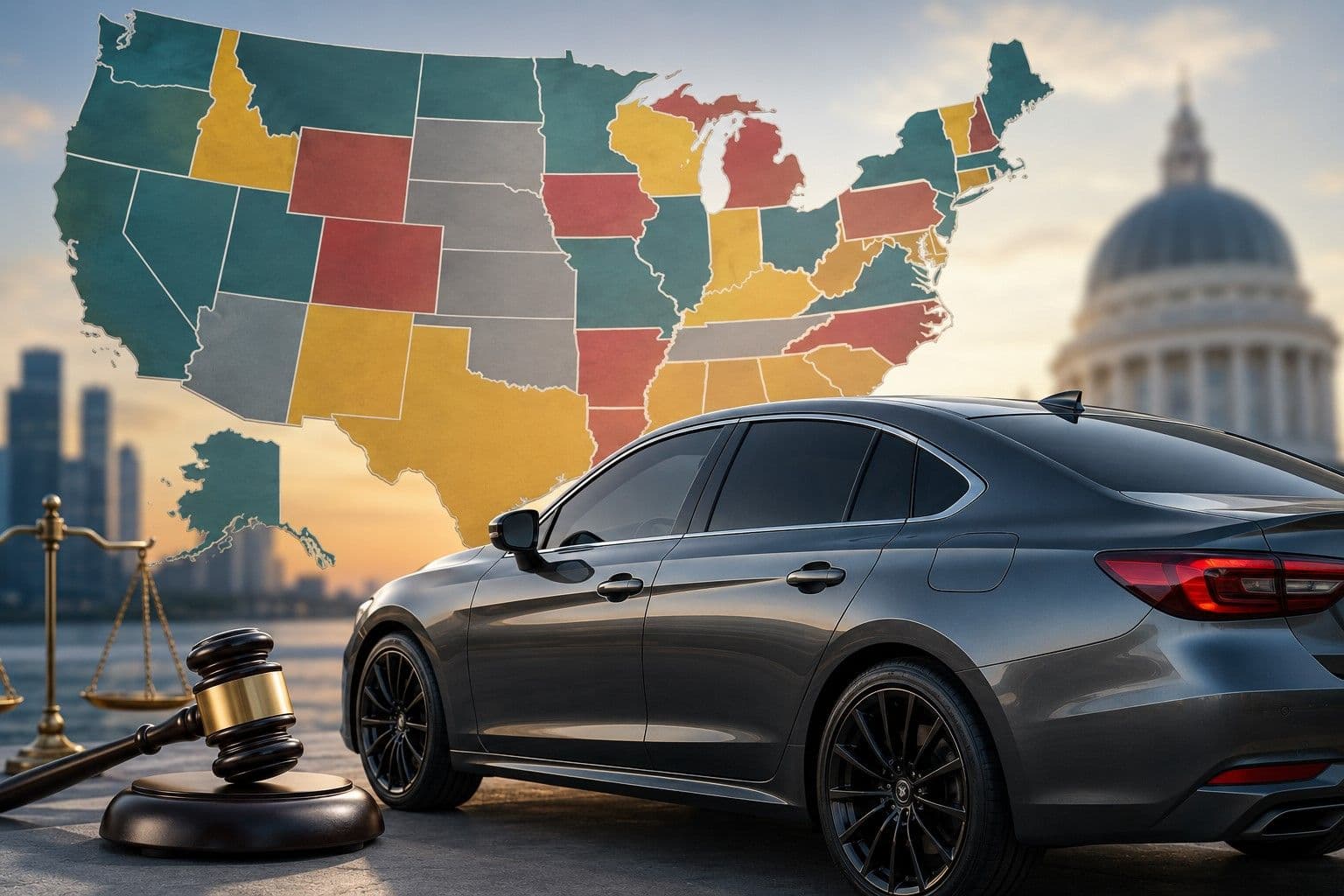
Installing window tint offers practical benefits, from reducing glare and heat to protecting your vehicle's interior and adding privacy. However, window tint laws by state vary across the United States, so what is legal in one state may not be allowed in another. If someone is wondering, ‘Is window tint legal in my state?' The answer depends on your state's specific tint regulations rather than a nationwide rule.
Every state sets its own regulations based on visible light transmission, window location, vehicle type, reflectivity, color restrictions, and, in some cases, eligibility for a medical exemption for window tint. The legal requirements for a windshield may differ significantly from those for front window tint laws, rear window tint laws, or the back window. This 2026 window tint laws by state guide explains the key rules drivers should understand before installing window film.
Here is a closer look at how state tint regulations work and what determines whether your vehicle remains compliant.
What Does VLT Mean in Window Tint Laws?
Understanding VLT laws by state starts with knowing what VLT means.
Visible Light Transmission (VLT) measures the amount of light that passes through a window after tint has been installed. A higher VLT percentage indicates a lighter tint, while a lower percentage creates a darker appearance.
For example:
- 70% VLT — Very light tint
- 35% VLT — Medium tint
- 20% VLT — Dark tint
Many drivers believe that choosing a legal tint film automatically means their vehicle will comply with the law. In reality, that is not always the case.
Most states assess the vehicle's net VLT, which is the combined result of the film VLT and the light transmission of the factory-installed glass. Since factory tint already blocks some light, adding window film further reduces the final VLT.
For example, factory glass with 80% VLT and a 35% tint film results in a final net VLT of about 28%. Even if the film is legal on its own, the completed installation may not meet state requirements.
Checking the finished tint with a tint meter is the best way to confirm compliance before driving.
General Overview of US Window Tint Laws in 2026
The information below serves as a general guide. Since states may update their tint regulations, verify the current requirements using official state or DMV resources before installation.
| Window Area | Typical Regulation |
|---|---|
| Windshield | Tint generally limited to the AS-1 line or top strip |
| Front Side Windows | Strict legal tint limit by state based on minimum VLT |
| Rear Side Windows | Often allow darker tint depending on state |
| Back Window | Frequently permits darker tint with dual outside mirrors |
| Reflectivity | Many states impose reflectivity restrictions |
| Colors | Certain states prohibit red, amber, blue, or other colored tint restrictions |
| Medical Use | Some states approve a medical exemption process |
This overview provides general guidance. Official DMV tint laws and state statutes remain the authoritative sources for compliance.
What Are the Windshield Tint and AS-1 Line Rules?
The windshield is usually subject to the strictest regulations.
In most states, tint cannot cover the entire windshield. A non-reflective strip is usually allowed above the AS-1 line, which is marked near the top of the windshield by the manufacturer.
Where no AS-1 marking exists, many states allow a non-reflective strip measuring approximately four to six inches from the top.
These restrictions also help ensure that safety cameras, rain sensors, driver-assistance systems, and tint inspection procedures remain unobstructed.
Understanding the AS-1 windshield tint rule before installation helps prevent unnecessary violations.
Front, Rear and Back Window Tint Laws Explained
Tint regulations often vary depending on which window is being covered.
Front side windows usually require a higher VLT percentage than the rear of the vehicle. Rear side windows are often allowed to have darker tint, while the back window may also permit darker films if the vehicle is equipped with dual exterior mirrors.
Certain states distinguish between passenger vehicles and multipurpose vehicles, making the applicable rule dependent on vehicle classification.
Reviewing the legal window tint percentage by state for every window instead of relying on one general tint percentage helps ensure full compliance.
Window Tint Laws for SUVs, Trucks, Vans and Sedans
Vehicle type can also affect window tint legality.
In many states, SUVs, pickup trucks, and vans are allowed darker tint on the rear windows than passenger cars. The rules for front windows, however, are usually the same regardless of vehicle type.
Not every vehicle is treated the same under state tint laws. Knowing whether your vehicle falls under sedan tint laws or multipurpose vehicle rules can help you choose the right film.
Understanding these distinctions reduces the risk of applying incorrect standards.
Are Reflective, Metallic and Colored Window Tints Legal?
Darkness is not the only factor regulated by state tint laws.
Many states restrict highly reflective or mirrored films that may create excessive glare for other motorists. There are metallic films and colored tint restrictions also in several jurisdictions.
Reflectivity restrictions are not the same in every state, and enforcement can also differ from one jurisdiction to another.
Many drivers choose ceramic window films for better heat rejection without the highly reflective appearance. When selected correctly, they can deliver strong thermal performance while meeting legal requirements.
How Do Medical Window Tint Exemptions Work?
Some medical conditions may allow drivers to apply for a medical exemption for window tint.
Getting a medical exemption usually involves a doctor's certification and paperwork for the state. Some states issue an exemption certificate, while others ask drivers to keep the paperwork in the vehicle.
Eligibility requirements vary by state, so review your state's official DMV process before applying.
Keeping the required documents with you can help during a traffic stop or vehicle inspection.
Window Tint Tickets, Fines and Compliance Checks
Illegal tint can lead to enforcement actions even when the film appears professionally installed.
Officers may use a tint meter during inspections or traffic stops to measure the vehicle's actual net VLT. States conducting vehicle inspections may also verify tint compliance as part of the inspection process.
Getting a tint ticket generally means the tint will need to be removed or replaced. The penalties are different in every state, making official state guidance the most reliable source.
What matters is the final installed VLT, not the advertised specification of the tint film.
How to Check Whether Your Window Tint Is Legal
A few simple checks before installation can help prevent compliance issues.
- Check official DMV tint laws or state statutes.
- Look up the requirements for each window.
- Verify your vehicle classification.
- Measure the existing factory tint.
- Calculate the expected net VLT.
- Avoid prohibited reflective or colored films.
- Check medical exemption for window tint requirements, if applicable.
- Keep any required documents after installation.
Completing these checks before purchasing film greatly reduces compliance issues.
How to Choose a Legal Window Tint Percentage
Selecting the darkest legal tint by state is rarely the best decision.
Staying within the legal tint limit by state does not mean giving up performance. High-quality ceramic window films, such as those offered by Global Hi-Tech Films, help reduce heat and block UV rays while allowing drivers to select tint options that comply with applicable state regulations.
Darker tint is not always the better choice. It can reduce visibility at night and may increase the chance of enforcement.
What Are the Benefits of Legal Window Tint?
Legal window tint offers several everyday benefits.
- Helps reduce cabin heat.
- Cuts glare while driving.
- Blocks harmful UV rays.
- Helps protect the interior from fading.
- Adds privacy within legal limits.
- Makes driving more comfortable.
- Improves the vehicle's appearance.
- Helps avoid tint-related violations.
Using a legal tint lets you enjoy these benefits without worrying about compliance.
Common Window Tint Mistakes That Can Lead to Violations
Even a professionally installed tint can violate car window tint laws if the wrong film or percentage is used.
Ignoring factory tint, tinting below the windshield strip, exceeding front window tint limits, using prohibited reflective finishes, applying SUV tint laws to sedan cars, missing medical exemption documents, relying on outdated tint charts, or skipping the final net VLT measurement are some of the most common mistakes.
Avoiding these issues makes it much easier to remain within state requirements.
Conclusion
Understanding window tint laws by state requires more than checking a single percentage. Every state evaluates window tint legality based on VLT laws by state, window location, vehicle classification, and additional factors such as reflectivity, color restrictions, and medical exemption for window tint eligibility.
Front window tint laws and windshield tint laws are usually stricter than rear window tint laws. Existing factory tint also affects the final net VLT, so checking the completed installation is important.
Before installing window tint, check your state's current rules and make sure the film you choose meets the legal requirements.
FAQs About Window Tint Laws by State
- Is window tint legal in my state? Yes, if your window tint complies with your state's regulations for VLT, window location, and other applicable requirements.
- What is the legal window tint percentage in my state? The legal window tint percentage varies by state and by the window being tinted. Check your state's current regulations before installation.
- What does VLT mean in window tint laws? VLT (Visible Light Transmission) refers to the amount of light that passes through the window after tint is applied.
- Does factory window tint count toward the legal VLT limit? Yes. In most states, the final VLT includes both the factory glass and the applied window film.
- Can I legally tint my windshield? In most states, only a non-reflective strip along the top of the windshield is permitted.
- Are window tint laws different for SUVs, trucks, and sedans? Yes. Many states allow darker rear window tint on SUVs, trucks, and vans than on passenger cars.
- Can I get a medical exemption for darker window tint? Yes. Some states allow medical exemptions for certain conditions, subject to state approval.
- What happens if my window tint is darker than the legal limit? You may receive a citation and could be required to remove or replace the non-compliant tint.
- How can I check if my window tint is legal? Compare your state's tint requirements with your vehicle's final VLT, measured using a tint meter.
- What is the darkest legal window tint I can install? It depends on your state's laws, the window location, and your vehicle type.
Disclaimer: This guide is for general reference only. Window tint laws differ by state and can change. Check your state's DMV or official laws before installing window tint.
Read also
 Global Hi-Tech FilmsWindow Films
Does Automotive Window Film Affect GPS, Mobile Signals or Keyless Entry?
Does automotive window film affect GPS, mobile signals or keyless entry? Learn how film construction can influence vehicle connectivity and signals. Explore now.
 Global Hi-Tech FilmsArchitecture
Can Window Film Be Applied to Double-Pane and Low-E Glass?
Can window film be used on double-pane and Low-E glass? Learn about compatibility, glass types, thermal stress and key installation factors. Explore now.
 Global Hi-Tech FilmsWindow Films
Why Does Automotive Window Film Bubble, Peel or Change Color?
Discover why automotive window film bubbles, peels or changes color, the common causes of film failure, and how quality installation helps prevent damage.